
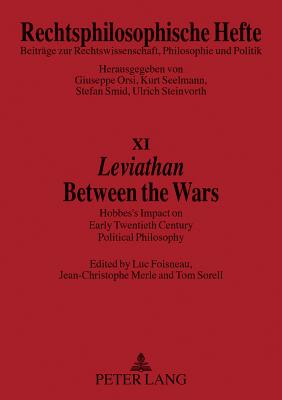
«Leviathan-» Between the Wars : Hobbes' Impact on Early Twentieth Century Political Philosophy
Book Details
Format
Paperback / softback
ISBN-10
3631512392
ISBN-13
9783631512395
Publisher
Peter Lang GmbH
Imprint
Peter Lang GmbH
Country of Manufacture
DE
Country of Publication
GB
Publication Date
Jun 15th, 2005
Print length
168 Pages
Weight
232 grams
Dimensions
15.00 x 21.00 x 1.00 cms
KSh 8,050.00
Currently unavailable
0 in stock
Delivery Location
Delivery fee: Select location
Secure
Quality
Fast
The symbol of the Leviathan came to the forefront in political theory, as the structure and the ideological justification of the state underwent radical change in at least three European countries from the early 1920s to the 1940s. Thus, the terrifying image of Leviathan has sometimes given rise to a surprising historiography of twentieth-century totalitarian states, tracing them back to the origins of modern political thought, as if there were a direct line of descent from Hobbes to Mussolini, Hitler and Stalin, or, worse still, as if Hobbes’s Leviathan (1651) were an exact anticipation of twentieth-century political catastrophes. The differing interpretations of Hobbes proposed by Strauss, Tönnies, Schmitt, Vialatoux, Capitant, Pareto, Collingwood, and Oakeshott, are here interpreted in the perspective of the interwar transformation of Europe. The contributors, who are German, British and French political philosophers, analyse the conditions which have made possible conflicting readings of Hobbes’s political philosophy, and explain why they sometimes don’t do justice to Leviathan.
Get «Leviathan-» Between the Wars by Jean-Christophe Merle at the best price and quality guaranteed only at Werezi Africa's largest book ecommerce store. The book was published by Peter Lang GmbH and it has 168 pages.
Customers Who Bought This Also Bought
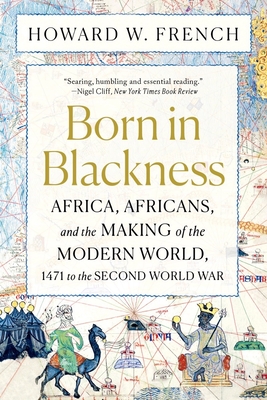
Born in Blackness – Africa, Africans, and the Making of the Modern World, 1471 to the Second World War
KSh 2,950.00

Migrations
KSh 5,450.00
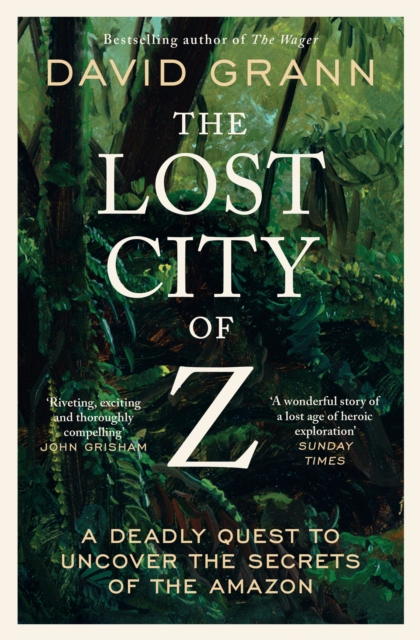
The Lost City of Z
KSh 2,000.00
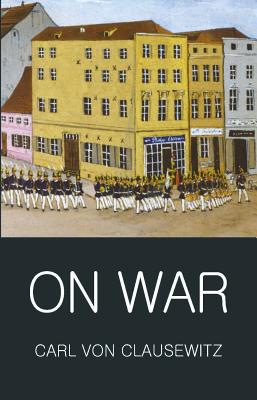
On War
KSh 1,200.00
The Lumumba Plot
KSh 3,050.00
Boer War
KSh 3,400.00
The Lessons of History
KSh 1,800.00
White Nights and Other Stories
KSh 3,900.00
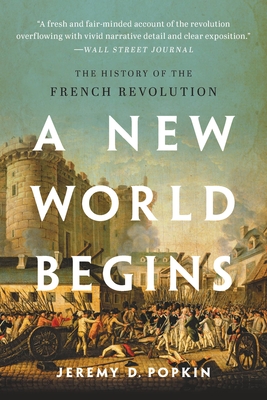
A New World Begins
KSh 3,950.00

Reformation
KSh 3,400.00

Hiroshima Men
KSh 4,500.00
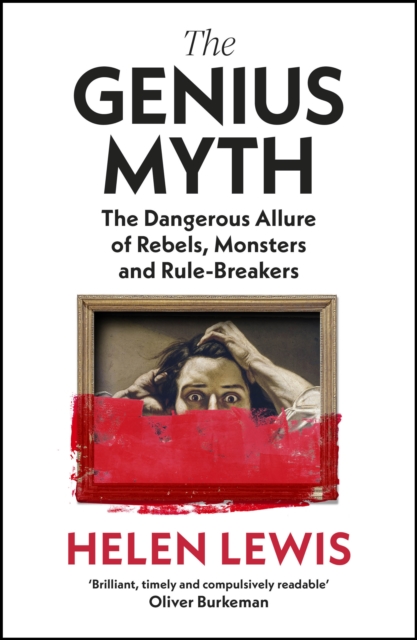
Genius Myth
KSh 3,050.00
