

2025-2026 Basic and Clinical Science Course, Section 5 : Neuro-Ophthalmology
Book Details
Format
Paperback / softback
ISBN-10
1681048361
ISBN-13
9781681048369
Publisher
American Academy of Ophthalmology
Imprint
American Academy of Ophthalmology
Country of Manufacture
GB
Country of Publication
GB
Publication Date
Aug 15th, 2025
Print length
500 Pages
Weight
1,100 grams
Dimensions
25.30 x 17.40 x 2.50 cms
Product Classification:
Ophthalmology
KSh 28,800.00
Temporarily out of stock, due soon
0 in stock
Delivery Location
Delivery fee: Select location
Secure
Quality
Fast
Revised for enhanced clinical practice, this resource offers a symptom-driven approach to neuro-ophthalmic disorders. Updated anatomical insights, interactive case studies, videos and online activities support evaluation and management of ocular motility issues and emergencies.
Section 5 of the Academy''s Basic and Clinical Science Course™ (BCSC®) provides a symptom-driven approach to diagnosing and treating major neuro-ophthalmic conditions. Accordingly, the emphasis is on the patient’s examination, both basic and extended, and the appropriate use of adjunctive studies to determine the status of the patient’s visual system.
BCSC Section 5’s major revision features improved content regarding the approach to diagnosing and managing a patient with neuro-ophthalmic disease. BCSC Section 5’s opening chapter, “Neuro-Ophthalmic Anatomy,” has been reorganized, clinical content has been updated, and online neuroimaging correlates to the anatomical illustrations have been added.
Two new features have also been added: underlined “Key Points,” which identify essential information in each chapter, and interactive online case studies in which the reader is prompted to describe the appropriate evaluation of common neuro-ophthalmic problems.
Topics that have been expanded include sagging eye syndrome (age-related distance esotropia and cyclovertical strabismus), foveal displacement syndrome, Wernicke encephalopathy, Guillain-Barré syndrome, Miller Fisher syndrome, and Parkinson disease. The overview of supranuclear (prenuclear) disorders of ocular motility, widely considered one of the most challenging topics in neuro-ophthalmology, has been restructured for a more logical flow and improved readability.
This updated edition includes 19 new videos and three new interactive activities, for a total of 51 videos (sample), and eight activities. In addition, there are three new case studies and nine online labeled anatomy images. Both print and eBook users can access the videos and activities.
Upon completion of Section 5, readers should be able to:
BCSC Section 5’s major revision features improved content regarding the approach to diagnosing and managing a patient with neuro-ophthalmic disease. BCSC Section 5’s opening chapter, “Neuro-Ophthalmic Anatomy,” has been reorganized, clinical content has been updated, and online neuroimaging correlates to the anatomical illustrations have been added.
Two new features have also been added: underlined “Key Points,” which identify essential information in each chapter, and interactive online case studies in which the reader is prompted to describe the appropriate evaluation of common neuro-ophthalmic problems.
Topics that have been expanded include sagging eye syndrome (age-related distance esotropia and cyclovertical strabismus), foveal displacement syndrome, Wernicke encephalopathy, Guillain-Barré syndrome, Miller Fisher syndrome, and Parkinson disease. The overview of supranuclear (prenuclear) disorders of ocular motility, widely considered one of the most challenging topics in neuro-ophthalmology, has been restructured for a more logical flow and improved readability.
This updated edition includes 19 new videos and three new interactive activities, for a total of 51 videos (sample), and eight activities. In addition, there are three new case studies and nine online labeled anatomy images. Both print and eBook users can access the videos and activities.
Upon completion of Section 5, readers should be able to:
- Explain a symptom-driven approach to the assessment of patients with common neuro-ophthalmic clinical manifestations and state an appropriate differential diagnosis
- Describe a plan for the immediate management of patients with neuro-ophthalmic emergencies
- Describe eye movement disorders and their anatomical relationship to the ocular motor system
Get 2025-2026 Basic and Clinical Science Course, Section 5 by Zoë R. Williams at the best price and quality guaranteed only at Werezi Africa's largest book ecommerce store. The book was published by American Academy of Ophthalmology and it has 500 pages.
Customers Who Bought This Also Bought
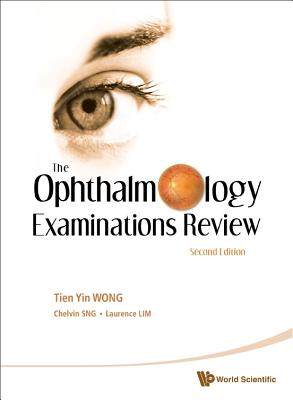
Ophthalmology Exam Rev (2nd Ed)
KSh 8,250.00

Optic Nerve Disease Research Perspectives
KSh 27,200.00

The Surgeon''s Guide to Smile
KSh 30,950.00
Shed Tears for Diagnostics
KSh 4,500.00

Nanotechnology in Ophthalmology
KSh 23,600.00

Neuro-Ophthalmology
KSh 36,000.00

Cranio-Orbital Mass Lesions
KSh 16,200.00

Disfunzioni Vegetative
KSh 18,000.00

Childhood Glaucoma
KSh 23,400.00

Refractive Surgery Atlas
KSh 27,000.00

Grundriss der Augenheilkunde fur Studierende
KSh 7,750.00
Optical Coherence Tomography
KSh 16,200.00

