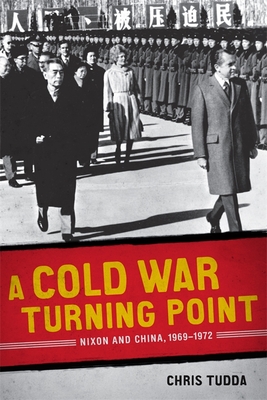
A Cold War Turning Point : Nixon and China, 1969-1972
by
Chris Tudda
Book Details
Format
Paperback / softback
ISBN-10
0807142891
ISBN-13
9780807142899
Publisher
Louisiana State University Press
Imprint
Louisiana State University Press
Country of Manufacture
US
Country of Publication
GB
Publication Date
May 7th, 2012
Print length
304 Pages
Weight
417 grams
Dimensions
22.60 x 14.90 x 2.00 cms
Product Classification:
History of the AmericasHistory of the Americas
KSh 6,400.00
Currently unavailable
0 in stock
Delivery Location
Delivery fee: Select location
Secure
Quality
Fast
In February 1972, President Nixon arrived in Beijing for what Chairman Mao called the “week that changed the world.” Using declassified sources from American, Chinese, European, and Soviet archives, Chris Tudda reveals how the relationship forged by the Nixon administration and the Chinese government that altered the trajectory of the Cold War.
In February 1972, President Nixon arrived in Beijing for what Chairman Mao Zedong called the ""week that changed the world."" Using recently declassified sources from American, Chinese, European, and Soviet archives, Chris Tudda's A Cold War Turning Point reveals new details about the relationship forged by the Nixon administration and the Chinese government that dramatically altered the trajectory of the Cold War.
Between the years 1969 and 1972, Nixon's national security team actively fostered the U.S. rapprochement with China. Tudda argues that Nixon, in bold opposition to the stance of his predecessors, recognized the mutual benefits of repairing the Sino-U.S. relationship and was determined to establish a partnership with China. Nixon believed that America's relative economic decline, its overextension abroad, and its desire to create a more realistic international framework aligned with China's fear of Soviet military advancement and its eagerness to join the international marketplace. In a contested but calculated move, Nixon gradually eased trade and travel restrictions to China. Mao responded in kind, albeit slowly, by releasing prisoners, inviting the U.S. ping-pong team to Beijing, and secretly hosting Secretary of State Henry Kissinger prior to Nixon's momentous visit.
Set in the larger framework of international relations at the peak of the Vietnam War, A Cold War Turning Point is the first book to use the Nixon tapes and Kissinger telephone conversations to illustrate the complexity of early Sino-U.S. relations. Tudda's thorough and illuminating research provides a multi-archival examination of this critical moment in twentieth-century international relations.
Between the years 1969 and 1972, Nixon's national security team actively fostered the U.S. rapprochement with China. Tudda argues that Nixon, in bold opposition to the stance of his predecessors, recognized the mutual benefits of repairing the Sino-U.S. relationship and was determined to establish a partnership with China. Nixon believed that America's relative economic decline, its overextension abroad, and its desire to create a more realistic international framework aligned with China's fear of Soviet military advancement and its eagerness to join the international marketplace. In a contested but calculated move, Nixon gradually eased trade and travel restrictions to China. Mao responded in kind, albeit slowly, by releasing prisoners, inviting the U.S. ping-pong team to Beijing, and secretly hosting Secretary of State Henry Kissinger prior to Nixon's momentous visit.
Set in the larger framework of international relations at the peak of the Vietnam War, A Cold War Turning Point is the first book to use the Nixon tapes and Kissinger telephone conversations to illustrate the complexity of early Sino-U.S. relations. Tudda's thorough and illuminating research provides a multi-archival examination of this critical moment in twentieth-century international relations.
Get A Cold War Turning Point by Chris Tudda at the best price and quality guaranteed only at Werezi Africa's largest book ecommerce store. The book was published by Louisiana State University Press and it has 304 pages.
Customers Who Bought This Also Bought
Crusade for Justice – The Autobiography of Ida B. Wells, Second Edition
KSh 4,050.00
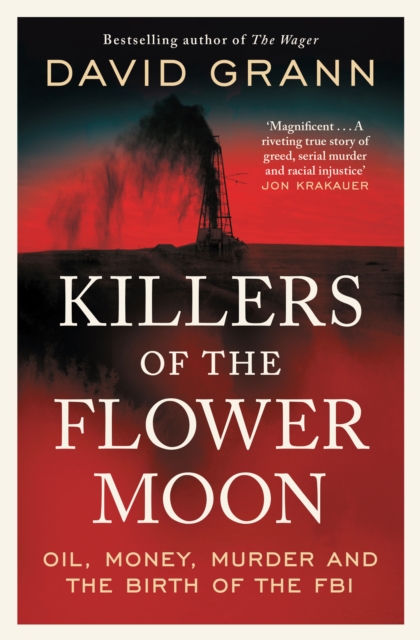
Killers of the Flower Moon
KSh 2,000.00
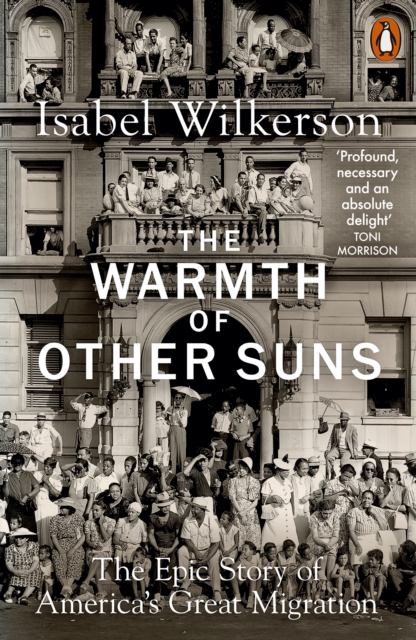
Warmth of Other Suns
KSh 3,050.00
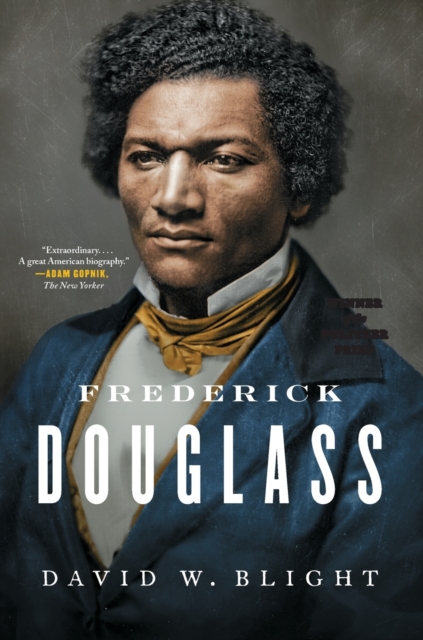
Frederick Douglass
KSh 3,350.00
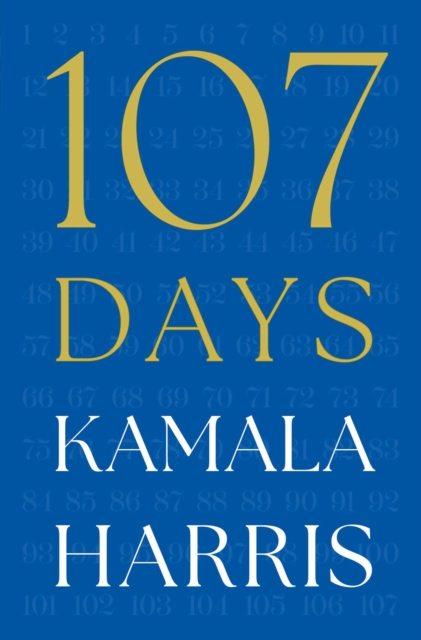
107 Days
KSh 4,500.00

Second Treatise of Government – Norton Library
KSh 1,600.00
Tuesdays With Morrie
KSh 2,000.00
My Bondage and My Freedom
KSh 1,600.00

Hidden Figures
KSh 2,000.00
America, América
KSh 3,650.00
Holding the Line
KSh 2,000.00
Nuclear Folly
KSh 3,050.00