
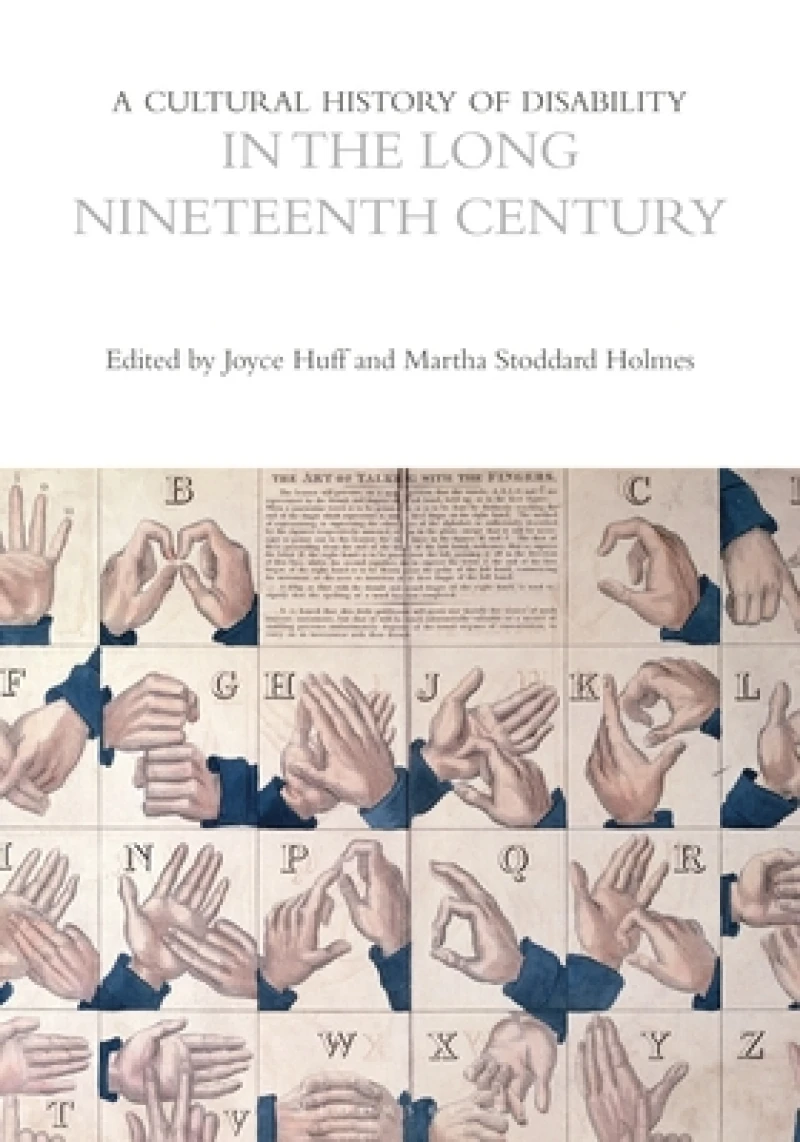
A Cultural History of Disability in the Long Nineteenth Century
Book Details
Format
Hardback or Cased Book
Book Series
The Cultural Histories Series
ISBN-10
1350029076
ISBN-13
9781350029071
Publisher
Bloomsbury Publishing PLC
Imprint
Bloomsbury Academic
Country of Manufacture
GB
Country of Publication
GB
Publication Date
May 17th, 2023
Print length
224 Pages
Weight
620 grams
Dimensions
24.60 x 17.20 x 1.60 cms
Ksh 15,800.00
Werezi Extended Catalogue
0 in stock
Delivery Location
Delivery fee: Select location
Secure
Quality
Fast
The long 19th century—stretching from the start of the American Revolution in 1776 to the end of World War I in 1918—was a pivotal period in the history of disability for the Western world and the cultures under its imperial sway. Industrialization was a major factor in the changing landscape of disability, providing new adaptive technologies and means of access while simultaneously contributing to the creation of a mass-produced environment hostile to bodies and minds that did not adhere to emerging norms. In defining disability, medical views, which framed disabilities as problems to be solved, competed with discourses from such diverse realms as religion, entertainment, education, and literature. Disabled writers and activists generated important counternarratives, made increasingly available through the spread of print culture. An essential resource for researchers, scholars and students of history, literature, culture and education, A Cultural History of Disability in the Long Nineteenth Century includes chapters on atypical bodies, mobility impairment, chronic pain and illness, blindness, deafness, speech dysfluencies, learning difficulties, and mental health, with 37 illustrations drawn from period sources.
The long 19th century—stretching from the start of the American Revolution in 1776 to the end of World War I in 1918—was a pivotal period in the history of disability for the Western world and the cultures under its imperial sway. Industrialization was a major factor in the changing landscape of disability, providing new adaptive technologies and means of access while simultaneously contributing to the creation of a mass-produced environment hostile to bodies and minds that did not adhere to emerging norms. In defining disability, medical views, which framed disabilities as problems to be solved, competed with discourses from such diverse realms as religion, entertainment, education, and literature. Disabled writers and activists generated important counternarratives, made increasingly available through the spread of print culture.An essential resource for researchers, scholars and students of history, literature, culture and education, A Cultural History of Disability in the Long Nineteenth Century includes chapters on atypical bodies, mobility impairment, chronic pain and illness, blindness, deafness, speech dysfluencies, learning difficulties, and mental health, with 37 illustrations drawn from period sources.
Get A Cultural History of Disability in the Long Nineteenth Century by at the best price and quality guaranteed only at Werezi Africa's largest book ecommerce store. The book was published by Bloomsbury Publishing PLC and it has pages.

