
Cart 0
A Cultural History of the Home in the Age of Enlightenment
Click to zoom

Share this book

A Cultural History of the Home in the Age of Enlightenment

Book Details

Format Paperback / Softback
ISBN-10 1350412244
ISBN-13 9781350412248
Publisher Bloomsbury Publishing PLC
Imprint Bloomsbury Academic
Country of Manufacture GB
Country of Publication GB
Publication Date May 16th, 2024
Print length 264 Pages
Weight 518 grams
Dimensions 24.30 x 17.10 x 1.60 cms
Ksh 4,850.00
Werezi Extended Catalogue Delivery in 14 days

Delivery Location

Delivery fee: Select location

Delivery in 14 days

Secure
Quality
Fast
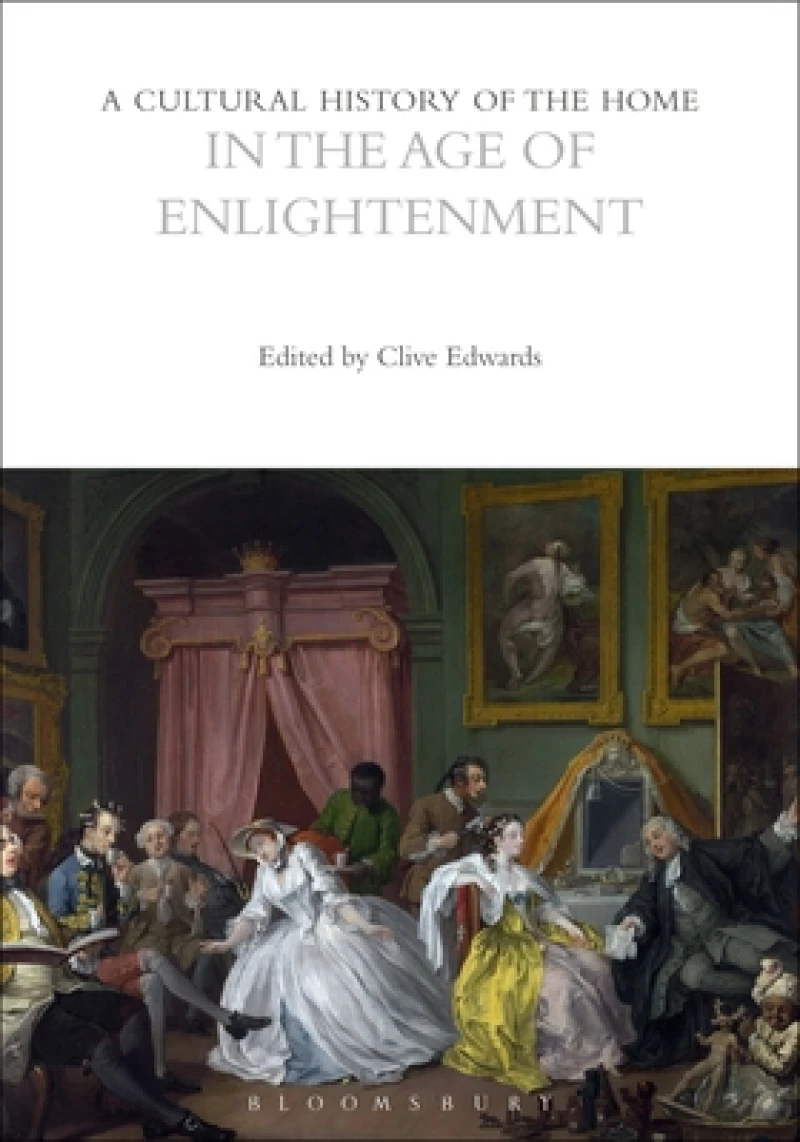
During the period of the Enlightenment, the word ‘home’ could refer to a specific and defined physical living space, the location of domestic life, and a concept related to ideas of roots, origins, and retreat. The transformations that the Enlightenment encouraged created the circumstances for the concept of home to change and develop in the following three ways. First to influence homemaking were the literary and cultural manifestations that included issues around attitudes to education, social order and disorder, sensibility, and sexuality. Secondly, were the roles of visual and material culture of the home that demonstrated themselves through print, portraiture, literature, objects and products, and dress and fashion. Thirdly, were the industrial and sociological aspects that included concepts of luxury, progress, trade and technology, consumption, domesticity, and the notions of public and private spaces within a home. The chapters in this volume therefore discuss and reflect upon issues relating to the home through a range of approaches. Enlightenment homes are examined in terms of signification and meaning; the persons who inhabited them; the physical buildings and their furniture and furnishings; the work undertaken within them; the differing roles of men and women; the nature of hospitality, and the important role of religion in the home. Taken together they give a valuable overview of the manners, customs, and operation of the Enlightenment home.

During the period of the Enlightenment, the word ‘home’ could refer to a specific and defined physical living space, the location of domestic life, and a concept related to ideas of roots, origins, and retreat. The transformations that the Enlightenment encouraged created the circumstances for the concept of home to change and develop in the following three ways. First to influence homemaking were the literary and cultural manifestations that included issues around attitudes to education, social order and disorder, sensibility, and sexuality. Secondly, were the roles of visual and material culture of the home that demonstrated themselves through print, portraiture, literature, objects and products, and dress and fashion. Thirdly, were the industrial and sociological aspects that included concepts of luxury, progress, trade and technology, consumption, domesticity, and the notions of public and private spaces within a home.

The chapters in this volume therefore discuss and reflect upon issues relating to the home through a range of approaches. Enlightenment homes are examined in terms of signification and meaning; the persons who inhabited them; the physical buildings and their furniture and furnishings; the work undertaken within them; the differing roles of men and women; the nature of hospitality, and the important role of religion in the home. Taken together they give a valuable overview of the manners, customs, and operation of the Enlightenment home.


Get A Cultural History of the Home in the Age of Enlightenment by at the best price and quality guaranteed only at Werezi Africa's largest book ecommerce store. The book was published by Bloomsbury Publishing PLC and it has pages.


Mind, Body, & Spirit

Price

Ksh 4,850.00

Shopping Cart

Africa largest book store

Sub Total:
Ebooks

Digital Library
Coming Soon

Our digital collection is currently being curated to ensure the best possible reading experience on Werezi. We'll be launching our Ebooks platform shortly.