
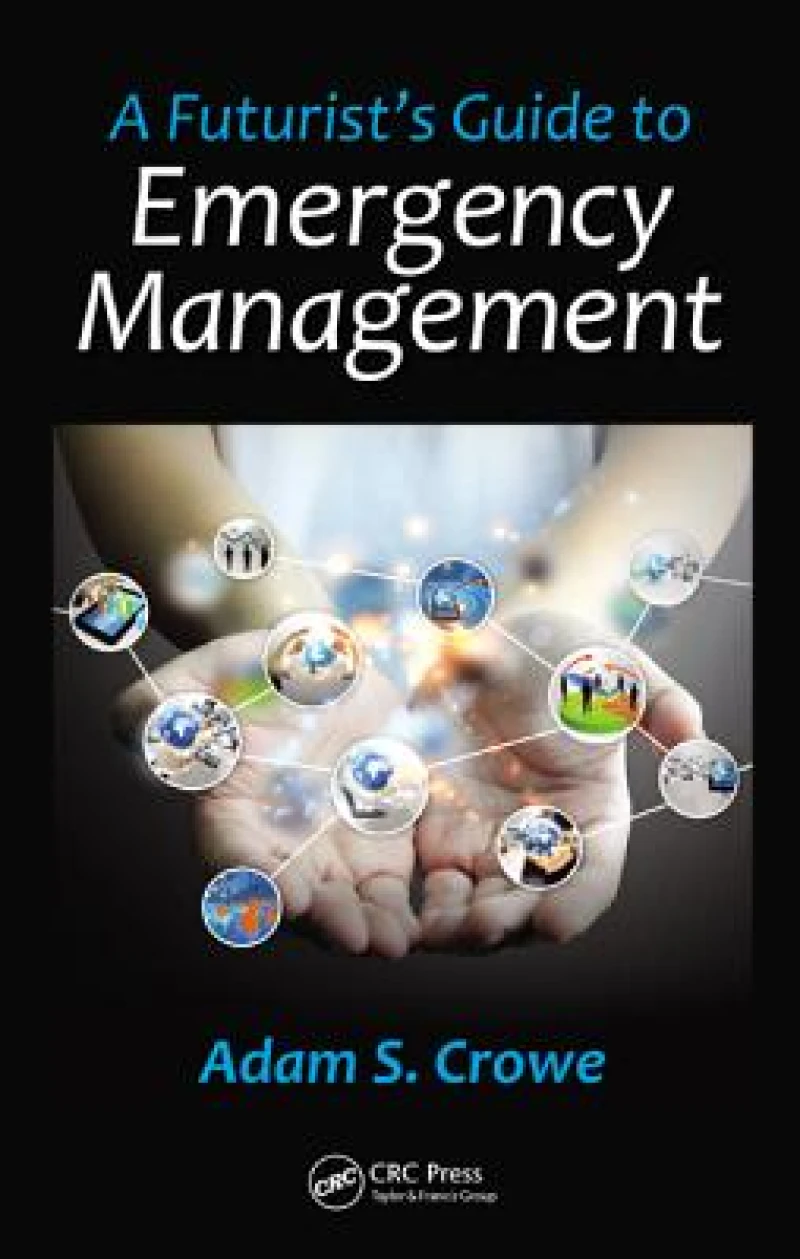
A Futurist's Guide to Emergency Management
Book Details
Delivery Location
Delivery fee: Select location
New technologies and communication tools have changed how the public prepares and response to emergencies and disasters within the community. Despite troubling issues like global climate change, regional crises, and global economic recession, advances in GIS and spatial technologies, the social media and real-time communications during a crisis, simulation and modeling technologies, and even the possible use of drones and robots in search and rescue are among many possible solutions improved preparedness. This book addresses new and emerging trends and technologies that will help emergency managers and communities better prepare for emerging threats and future disasters.
A Futurist''s Guide to Emergency Management provides interdisciplinary analysis on how particular sets of conditions may occur in the future by evaluating global trends, possible scenarios, emerging conditions, and various other elements of risk management. Firmly based in science, the book leverages historical data, current best practices, and scientific and statistical data to make future projections to help emergency management, homeland security, and public safety officials make appropriate planning, preparedness, and resource management decisions in the present to prepare for future conditions and risks.
- Focuses on trends in citizen behaviors, expectations, and choices related to technology, media, communication, and cross-cultural behavior
- Reflects the impacts of age, gender, and sexuality roles on emergency response expectations as well as the increasing politicization of disaster response and recovery activities
- Evaluates how perceptions of risk are changingparticularly in light of low probability, but high consequence events
- Considers emerging physical, social, environmental, and technological issues such as climate change, sustainability, globalization, and cyber threats
Divided into three sections, the book first focuses on trends in citizen behaviors, expectations, and choices related to technology, media, communication and cross-cultural behavior. It then explores the impacts of age, gender, and sexuality roles on emergency response expectations as well as the increasing politicization of disaster response and recovery activities. Additionally, the second section evaluates how perceptions of risk are changing particularly in light of low probability, but high consequence events. The book concludes with coverage of emerging physical, social, environmental, and technological issues such a climate change, sustainability, globalization, and cyber threats.
Get A Futurist's Guide to Emergency Management by at the best price and quality guaranteed only at Werezi Africa's largest book ecommerce store. The book was published by Taylor & Francis Inc and it has pages.

