
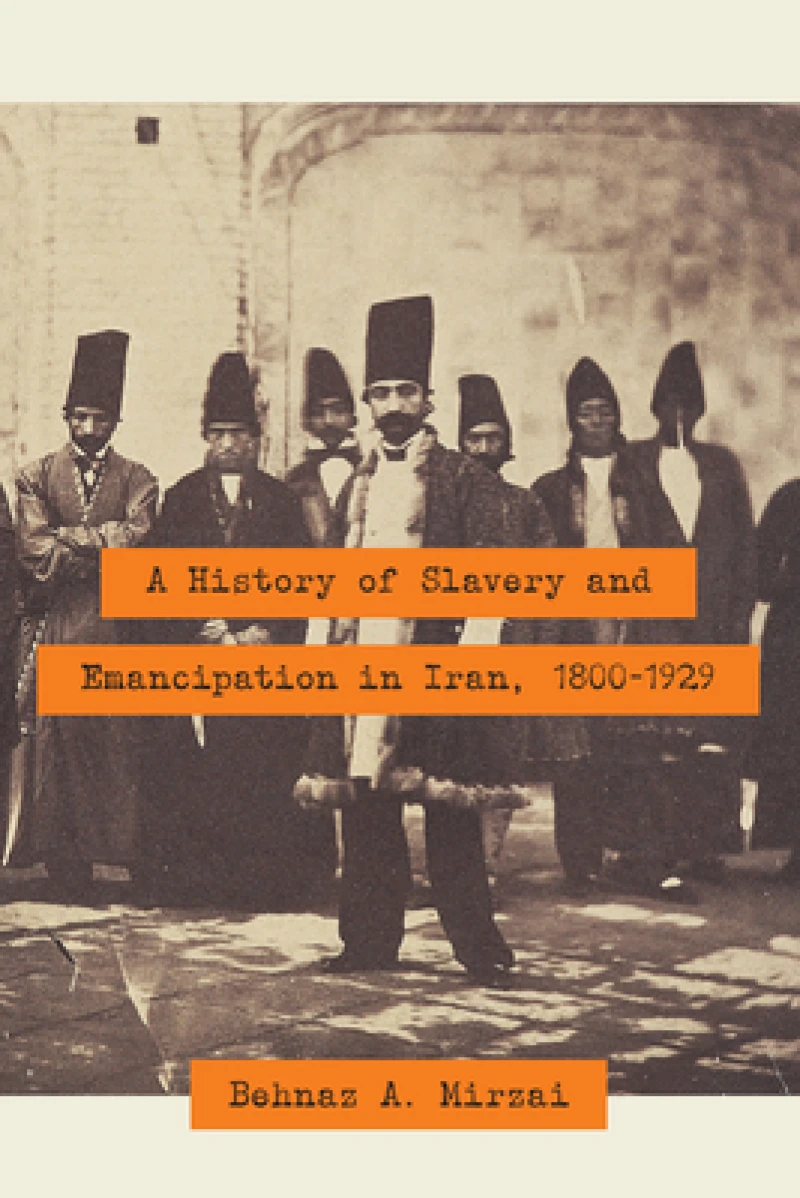
A History of Slavery and Emancipation in Iran, 1800-1929
Book Details
Format
Paperback / Softback
ISBN-10
1477311866
ISBN-13
9781477311868
Publisher
University of Texas Press
Imprint
University of Texas Press
Country of Manufacture
US
Country of Publication
GB
Publication Date
May 16th, 2017
Print length
344 Pages
Weight
524 grams
Dimensions
23.00 x 15.30 x 2.50 cms
Ksh 4,850.00
Temporarily out of stock, due soon
0 in stock
Delivery Location
Delivery fee: Select location
Secure
Quality
Fast
Shortlisted for the 2018 Wallace K. Ferguson Prize, Canadian Historical Association The leading authority on slavery and the African diaspora in modern Iran presents the first history of slavery in this key Middle Eastern country and shows how slavery helped to shape the nation’s unique character. Slavery in the Middle East is a growing field of study, but the history of slavery in a key country, Iran, has never before been written. This history extends to Africa in the west and India in the east, to Russia and Turkmenistan in the north, and to the Arab states in the south. As the slave trade between Iran and these regions shifted over time, it transformed the nation and helped forge its unique culture and identity. Thus, a history of Iranian slavery is crucial to understanding the character of the modern nation. Drawing on extensive archival research in Iran, Tanzania, England, and France, as well as fieldwork and interviews in Iran, Behnaz A. Mirzai offers the first history of slavery in modern Iran from the early nineteenth century to emancipation in the mid-twentieth century. She investigates how foreign military incursion, frontier insecurity, political instability, and economic crisis altered the patterns of enslavement, as well as the ethnicity of the slaves themselves. Mirzai’s interdisciplinary analysis illuminates the complex issues surrounding the history of the slave trade and the process of emancipation in Iran, while also giving voice to social groups that have never been studied-enslaved Africans and Iranians. Her research builds a clear case that the trade in slaves was inexorably linked to the authority of the state. During periods of greater decentralization, slave trading increased, while periods of greater governmental autonomy saw more freedom and peace.
Get A History of Slavery and Emancipation in Iran, 1800-1929 by at the best price and quality guaranteed only at Werezi Africa's largest book ecommerce store. The book was published by University of Texas Press and it has pages.

