
Cart 0
A Philosophy of Madness
Click to zoom

Share this book

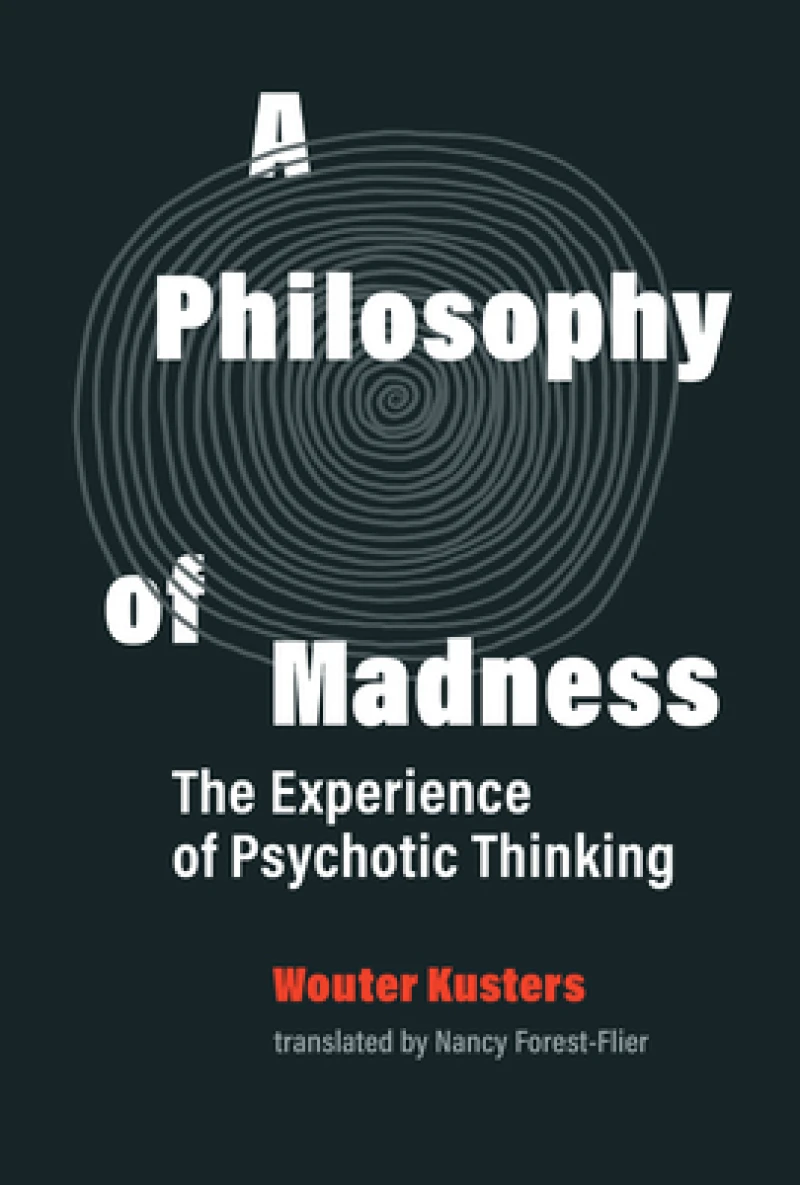
A Philosophy of Madness : The Experience of Psychotic Thinking

Book Details

Format Hardback or Cased Book
ISBN-10 0262044285
ISBN-13 9780262044288
Publisher MIT Press Ltd
Imprint MIT Press
Country of Manufacture US
Country of Publication GB
Publication Date Dec 1st, 2020
Print length 800 Pages
Weight 1,196 grams
Dimensions 16.50 x 23.60 x 5.30 cms
Product Classification: Philosophy
Ksh 6,500.00
Werezi Extended Catalogue Delivery in 14 days 2 copies in stock

Delivery Location

Delivery fee: Select location

Delivery in 14 days

Secure
Quality
Fast
The philosophy of psychosis and the psychosis of philosophy: a philosopher draws on his experience of madness.In this book, philosopher and linguist Wouter Kusters examines the philosophy of psychosis—and the psychosis of philosophy. By analyzing the experience of psychosis in philosophical terms, Kusters not only emancipates the experience of the psychotic from medical classification, he also emancipates the philosopher from the narrowness of textbooks and academia, allowing philosophers to engage in real-life praxis, philosophy in vivo. Philosophy and madness—Kusters's preferred, non-medicalized term—coexist, one mirroring the other. Kusters draws on his own experience of madness—two episodes of psychosis, twenty years apart—as well as other first-person narratives of psychosis. Speculating about the maddening effect of certain words and thought, he argues, and demonstrates, that the steady flow of philosophical deliberation may sweep one into a full-blown acute psychotic episode. Indeed, a certain kind of philosophizing may result in confusion, paradoxes, unworldly insights, and circular frozenness reminiscent of madness. Psychosis presents itself to the psychotic as an inescapable truth and reality. Kusters evokes the mad person's philosophical or existential amazement at reality, thinking, time, and space, drawing on classic autobiographical accounts of psychoses by Antonin Artaud, Daniel Schreber, and others, as well as the work of phenomenological psychiatrists and psychologists and such phenomenologists as Edmund Husserl and Maurice Merleau-Ponty. He considers the philosophical mystic and the mystical philosopher, tracing the mad undercurrent in the Husserlian philosophy of time; visits the cloud castles of mystical madness, encountering LSD devotees, philosophers, theologians, and nihilists; and, falling to earth, finds anxiety, emptiness, delusions, and hallucinations. Madness and philosophy proceed and converge toward a single vanishing point.
The philosophy of psychosis and the psychosis of philosophy: a philosopher draws on his experience of madness.

In this book, philosopher and linguist Wouter Kusters examines the philosophy of psychosis—and the psychosis of philosophy. By analyzing the experience of psychosis in philosophical terms, Kusters not only emancipates the experience of the psychotic from medical classification, he also emancipates the philosopher from the narrowness of textbooks and academia, allowing philosophers to engage in real-life praxis, philosophy in vivo. Philosophy and madness—Kusters''s preferred, non-medicalized term—coexist, one mirroring the other.

Kusters draws on his own experience of madness—two episodes of psychosis, twenty years apart—as well as other first-person narratives of psychosis. Speculating about the maddening effect of certain words and thought, he argues, and demonstrates, that the steady flow of philosophical deliberation may sweep one into a full-blown acute psychotic episode. Indeed, a certain kind of philosophizing may result in confusion, paradoxes, unworldly insights, and circular frozenness reminiscent of madness. Psychosis presents itself to the psychotic as an inescapable truth and reality.

Kusters evokes the mad person''s philosophical or existential amazement at reality, thinking, time, and space, drawing on classic autobiographical accounts of psychoses by Antonin Artaud, Daniel Schreber, and others, as well as the work of phenomenological psychiatrists and psychologists and such phenomenologists as Edmund Husserl and Maurice Merleau-Ponty. He considers the philosophical mystic and the mystical philosopher, tracing the mad undercurrent in the Husserlian philosophy of time; visits the cloud castles of mystical madness, encountering LSD devotees, philosophers, theologians, and nihilists; and, falling to earth, finds anxiety, emptiness, delusions, and hallucinations. Madness and philosophy proceed and converge toward a single vanishing point.


Get A Philosophy of Madness by at the best price and quality guaranteed only at Werezi Africa's largest book ecommerce store. The book was published by MIT Press Ltd and it has pages.


Mind, Body, & Spirit

Price

Ksh 6,500.00

Shopping Cart

Africa largest book store

Sub Total:
Ebooks

Digital Library
Coming Soon

Our digital collection is currently being curated to ensure the best possible reading experience on Werezi. We'll be launching our Ebooks platform shortly.