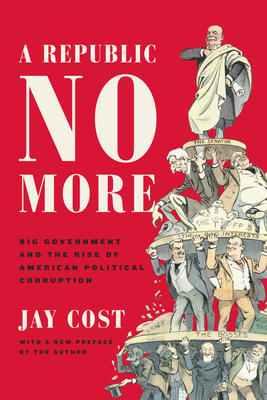
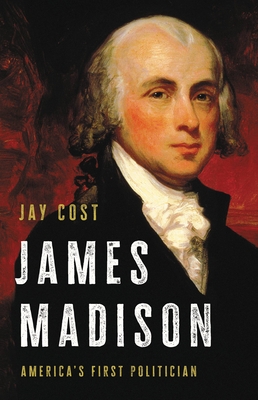
A Republic No More : Big Government and the Rise of American Political Corruption
by
Jay Cost
Book Details
Format
Hardback
ISBN-10
1594037272
ISBN-13
9781594037276
Publisher
Encounter Books,USA
Imprint
Encounter Books,USA
Country of Manufacture
GB
Country of Publication
GB
Publication Date
Mar 26th, 2015
Print length
408 Pages
Weight
751 grams
Product Classification:
History of the AmericasSocial & political philosophyCentral government
KSh 3,800.00
Re-Printing
0 in stock
Delivery Location
Delivery fee: Select location
Secure
Quality
Fast
The book is a historical look at the growth of government and how it has undermined the "republican principle" embedded in the Constitution. That is, the larger government has gotten, the less responsive it is to the demands of the public good and more attentive to special interests. The reason for this should come as no surprise, as the Framers wo
After the Constitutional Convention, Benjamin Franklin was asked, “Well, Doctor, what have we got—a Republic or a Monarchy?” Franklin’s response: “A Republic—if you can keep it.”
This book argues: we couldn’t keep it.
A true republic privileges the common interest above the special interests. To do this, our Constitution established an elaborate system of checks and balances that separates power among the branches of government, and places them in conflict with one another. The Framers believed that this would keep grasping, covetous factions from acquiring enough power to dominate government. Instead, only the people would rule.
Proper institutional design is essential to this system. Each branch must manage responsibly the powers it is granted, as well as rebuke the other branches when they go astray. This is where subsequent generations have run into trouble: we have overloaded our government with more power than it can handle. The Constitution''s checks and balances have broken down because the institutions created in 1787 cannot exercise responsibly the powers of our sprawling, immense twenty-first century government.
The result is the triumph of special interests over the common interest. James Madison called this factionalism. We know it as political corruption.
Corruption today is so widespread that our government is not so much a republic, but rather a special interest democracy. Everybody may participate, yes, but the contours of public policy depend not so much on the common good, but rather the push-and-pull of the various interest groups encamped in Washington, DC.
This book argues: we couldn’t keep it.
A true republic privileges the common interest above the special interests. To do this, our Constitution established an elaborate system of checks and balances that separates power among the branches of government, and places them in conflict with one another. The Framers believed that this would keep grasping, covetous factions from acquiring enough power to dominate government. Instead, only the people would rule.
Proper institutional design is essential to this system. Each branch must manage responsibly the powers it is granted, as well as rebuke the other branches when they go astray. This is where subsequent generations have run into trouble: we have overloaded our government with more power than it can handle. The Constitution''s checks and balances have broken down because the institutions created in 1787 cannot exercise responsibly the powers of our sprawling, immense twenty-first century government.
The result is the triumph of special interests over the common interest. James Madison called this factionalism. We know it as political corruption.
Corruption today is so widespread that our government is not so much a republic, but rather a special interest democracy. Everybody may participate, yes, but the contours of public policy depend not so much on the common good, but rather the push-and-pull of the various interest groups encamped in Washington, DC.
Get A Republic No More by Jay Cost at the best price and quality guaranteed only at Werezi Africa's largest book ecommerce store. The book was published by Encounter Books,USA and it has 408 pages.
Customers Who Bought This Also Bought

Crusade for Justice – The Autobiography of Ida B. Wells, Second Edition
KSh 4,050.00
Killers of the Flower Moon
KSh 2,000.00
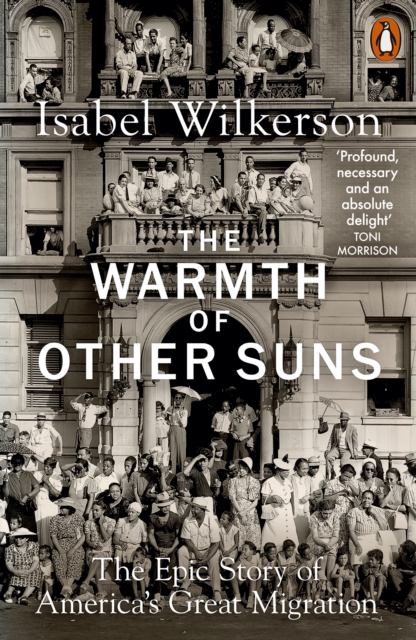
Warmth of Other Suns
KSh 3,050.00

Frederick Douglass
KSh 3,350.00
107 Days
KSh 4,500.00

Second Treatise of Government – Norton Library
KSh 1,600.00
Tuesdays With Morrie
KSh 2,000.00
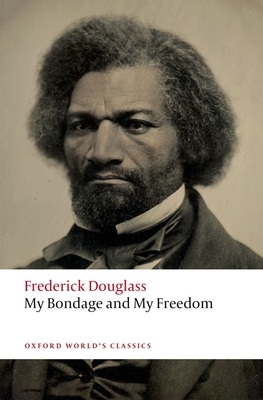
My Bondage and My Freedom
KSh 1,600.00

Hidden Figures
KSh 2,000.00
America, América
KSh 3,650.00

Holding the Line
KSh 2,000.00

Nuclear Folly
KSh 3,050.00