
Book Details
Format
Paperback / Softback
ISBN-10
0252080505
ISBN-13
9780252080500
Edition
New
Publisher
University of Illinois Press
Imprint
University of Illinois Press
Country of Manufacture
US
Country of Publication
GB
Publication Date
Sep 4th, 2014
Print length
232 Pages
Weight
367 grams
Dimensions
22.90 x 15.20 x 2.00 cms
Ksh 3,800.00
Werezi Extended Catalogue
0 in stock
Delivery Location
Delivery fee: Select location
Secure
Quality
Fast
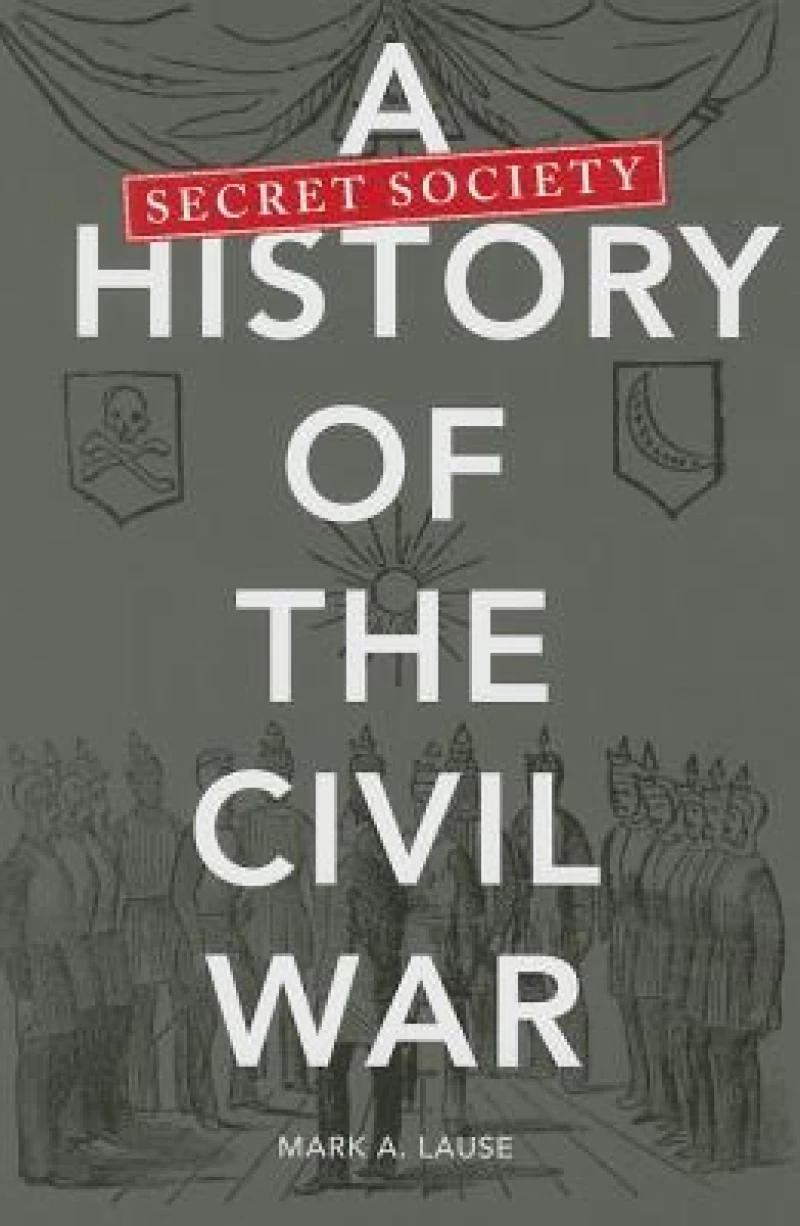
Presents the history of the Civil War that considers the impact of nineteenth-century American secret societies on the path to as well as the course of the war.
This unique history of the Civil War considers the impact of nineteenth-century American secret societies on the path to as well as the course of the war. Beginning with the European secret societies that laid the groundwork for Freemasonry in the United States, Mark A. Lause analyzes how the Old World's traditions influenced various underground groups and movements in America, particularly George Lippard's Brotherhood of the Union, an American attempt to replicate the political secret societies that influenced the European revolutions of 1848. Lause traces the Brotherhood's various manifestations, the most conspicuous being the Knights of the Golden Circle (out of which developed the Ku Klux Klan), and the Confederate secret groups through which John Wilkes Booth and others attempted to undermine the Union. Lause profiles the key leaders of these organizations, with special focus on George Lippard, Hugh Forbes, and George Washington Lafayette Bickley. Antebellum secret societies ranged politically from those with progressive or even revolutionary agendas to those that pursued conservative or oppressive goals. This book shows how, in the years leading up to the Civil War, these clandestine organizations exacerbated existing sectional tensions in the United States. Lause's research indicates that the pervasive influence of secret societies may have played a part in key events such as the Freesoil movement, the beginning of the Republican party, John Brown's raid on Harpers Ferry, Lincoln's election, and the Southern secession process of 1860-1861. This exceptional study encompasses both white and African American secret society involvement, revealing the black fraternal experience in antebellum America as well as the clandestine operations that provided assistance to escaped slaves via the Underground Railroad. Unraveling these pervasive and extensive networks of power and influence, A Secret Society History of the Civil War demonstrates that antebellum secret societies played a greater role in affecting Civil War-era politics than has been previously acknowledged.
Get A Secret Society History of the Civil War by at the best price and quality guaranteed only at Werezi Africa's largest book ecommerce store. The book was published by University of Illinois Press and it has pages.

