
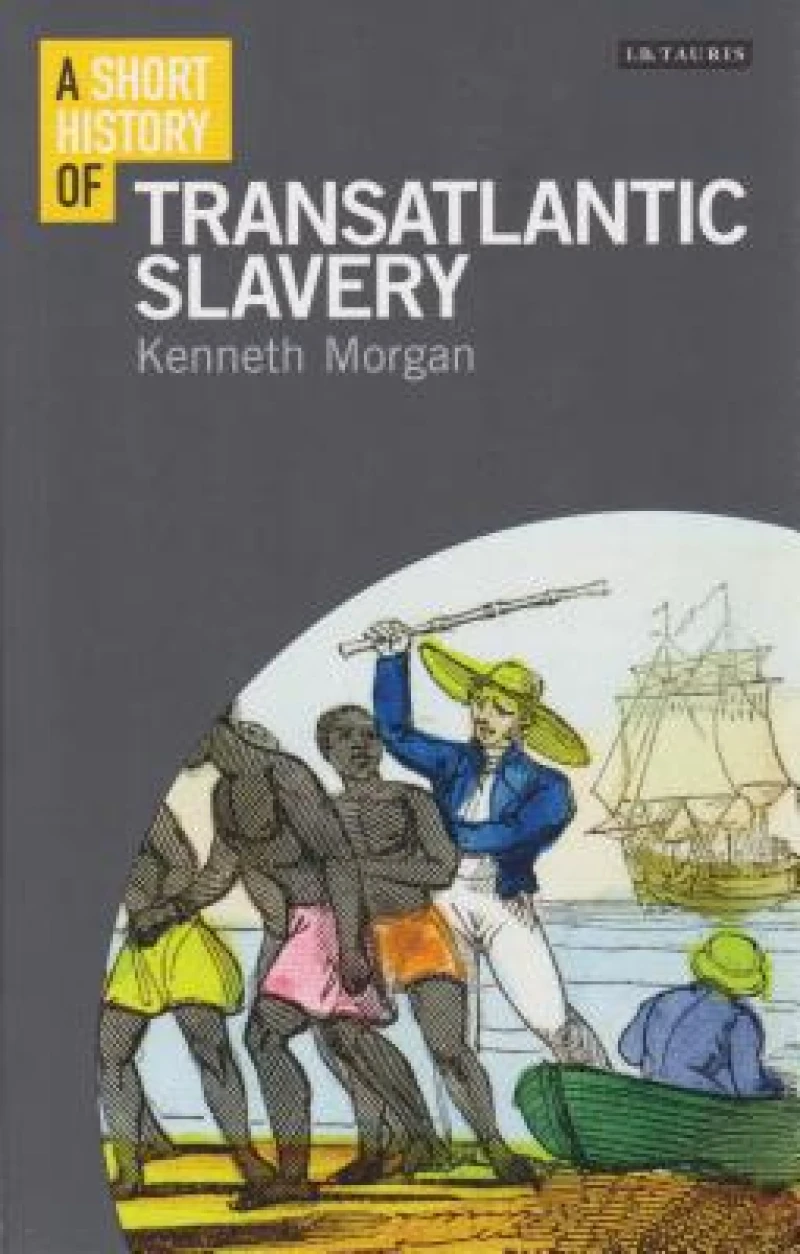
A Short History of Transatlantic Slavery
Book Details
Format
Paperback / Softback
Book Series
Short Histories
ISBN-10
1780763875
ISBN-13
9781780763873
Publisher
Bloomsbury Publishing PLC
Imprint
I.B. Tauris
Country of Manufacture
GB
Country of Publication
GB
Publication Date
Apr 25th, 2016
Print length
264 Pages
Weight
260 grams
Dimensions
21.70 x 13.70 x 1.60 cms
Product Classification:
Modern history to 20th century: c 1700 to c 1900Slavery & abolition of slavery
Ksh 2,900.00
Manufactured on Demand
Delivery in 14 days
1 copies in stock
Delivery Location
Delivery fee: Select location
Delivery in 14 days
Secure
Quality
Fast
From 1501, when the first slaves arrived in Hispaniola, until the nineteenth century, some twelve million people were abducted from west Africa and shipped across thousands of miles of ocean - the infamous Middle Passage - to work in the colonies of the New World. Perhaps two million Africans died at sea. Why was slavery so widely condoned, during most of this period, by leading lawyers, religious leaders, politicians and philosophers? How was it that the educated classes of the western world were prepared for so long to accept and promote an institution that would later ages be condemned as barbaric? Exploring these and other questions - and the slave experience on the sugar, rice, coffee and cotton plantations - Kenneth Morgan discusses the rise of a distinctively Creole culture; slave revolts, including the successful revolution in Haiti (1791-1804); and the rise of abolitionism, when the ideas of Montesquieu, Wilberforce, Quakers and others led to the slave trade's systemic demise. At a time when the menace of human trafficking is of increasing concern worldwide, this timely book reflects on the deeper motivations of slavery as both ideology and merchant institution.
From 1501, when the first slaves arrived in Hispaniola, until the nineteenth century, some twelve million people were abducted from west Africa and shipped across thousands of miles of ocean - the infamous Middle Passage - to work in the colonies of the New World. Perhaps two million Africans died at sea. Why was slavery so widely condoned, during most of this period, by leading lawyers, religious leaders, politicians and philosophers? How was it that the educated classes of the western world were prepared for so long to accept and promote an institution that would later ages be condemned as barbaric? Exploring these and other questions - and the slave experience on the sugar, rice, coffee and cotton plantations - Kenneth Morgan discusses the rise of a distinctively Creole culture; slave revolts, including the successful revolution in Haiti (1791-1804); and the rise of abolitionism, when the ideas of Montesquieu, Wilberforce, Quakers and others led to the slave trade''s systemic demise. At a time when the menace of human trafficking is of increasing concern worldwide, this timely book reflects on the deeper motivations of slavery as both ideology and merchant institution.
Get A Short History of Transatlantic Slavery by at the best price and quality guaranteed only at Werezi Africa's largest book ecommerce store. The book was published by Bloomsbury Publishing PLC and it has pages.

