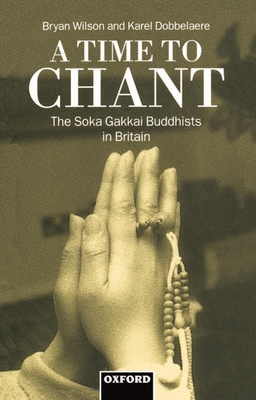
A Time to Chant : The Soka Gakkai Buddhists in Britain
Book Details
Format
Hardback
ISBN-10
0198279159
ISBN-13
9780198279150
Publisher
Oxford University Press
Imprint
Clarendon Press
Country of Manufacture
GB
Country of Publication
GB
Publication Date
Jan 20th, 1994
Print length
278 Pages
Weight
498 grams
Dimensions
22.50 x 14.80 x 2.30 cms
Product Classification:
BuddhismContemporary non-Christian & para-Christian cults & sectsSociology & anthropology
KSh 8,750.00
Temporarily out of stock, due soon
0 in stock
Delivery Location
Delivery fee: Select location
Secure
Quality
Fast
Analyses the reasons for the increasing popularity of the religious cult in Europe, the Americas, Australasia, Asia and Africa. Its draws on a members' questionnaire survey and interviews in the UK, raising issues about changing values in Western society and the decline in traditional religion.
Fifty years ago Soka Gakkai was an organization of a few hundred people, all of them in Japan. Today it is one of the world''s most rapidly expanding religious movements with members in virtually every country in Europe, the Americas, and Australasia, in most of Asia, and in several parts of Africa. It is also increasingly well publicized, sponsoring and promoting a variety of cultural and educational causes and establishing a high profile for itself in world affairs.All of this has created a movement which is a significant social phenomenon; yet to date Soka Gakkai has received little attention from Western academics. Bryan Wilson and Karel Dobbelaere have undertaken a thorough survey of the UK membership to try to trace the source of the movement''s attraction and analyse its potential. In addition to a questionnaire survey they carried out some thirty interviews with members, who were encouraged to tell their story in their own way. These interviews and the questionnaire responses are liberally quoted throughout the book and add illuminating detail to its analysis.The decline in belief in an anthropomorphic deity; the sense that traditional religious institutions have become hollow; the emphasis on the private nature of belief and on personal autonomy are all characteristic features of contemporary western values. The authors suggest that Soka Gakkai has found a ready resonance with these changing currents of thought in contemporary society and conclude that Soka Gakkai''s appeal to young people in particular makes it a faith whose time may have come.
Get A Time to Chant by Bryan Wilson, Karel Dobbelaere at the best price and quality guaranteed only at Werezi Africa's largest book ecommerce store. The book was published by Oxford University Press and it has 278 pages.
Customers Who Bought This Also Bought

Comfortable with Uncertainty
KSh 3,050.00

Buddhist Scriptures
KSh 2,700.00

Peace Is Every Step
KSh 2,700.00

Wisdom of No Escape
KSh 1,800.00

Practicing Dying
KSh 2,250.00

Path With Heart
KSh 3,600.00

Anger
KSh 3,050.00
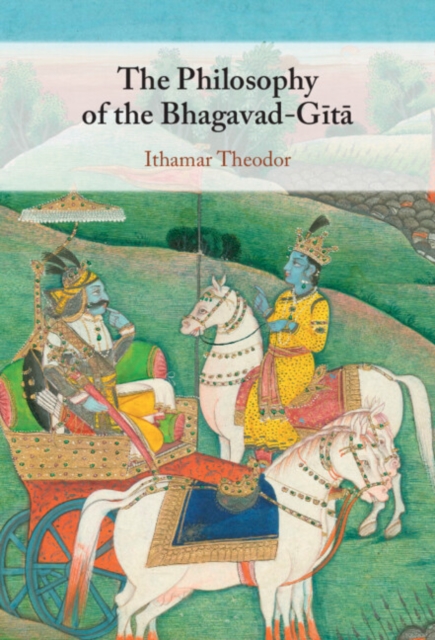
The Philosophy of the Bhagavad-Gita
KSh 16,200.00

The Snail is Slow but Never Late
KSh 3,050.00

Esoteric Buddhism in China
KSh 5,400.00

When Things Don’t Go Your Way
KSh 2,350.00

How to Be Caring – An Ancient Guide to a Compassionate Life
KSh 2,700.00