
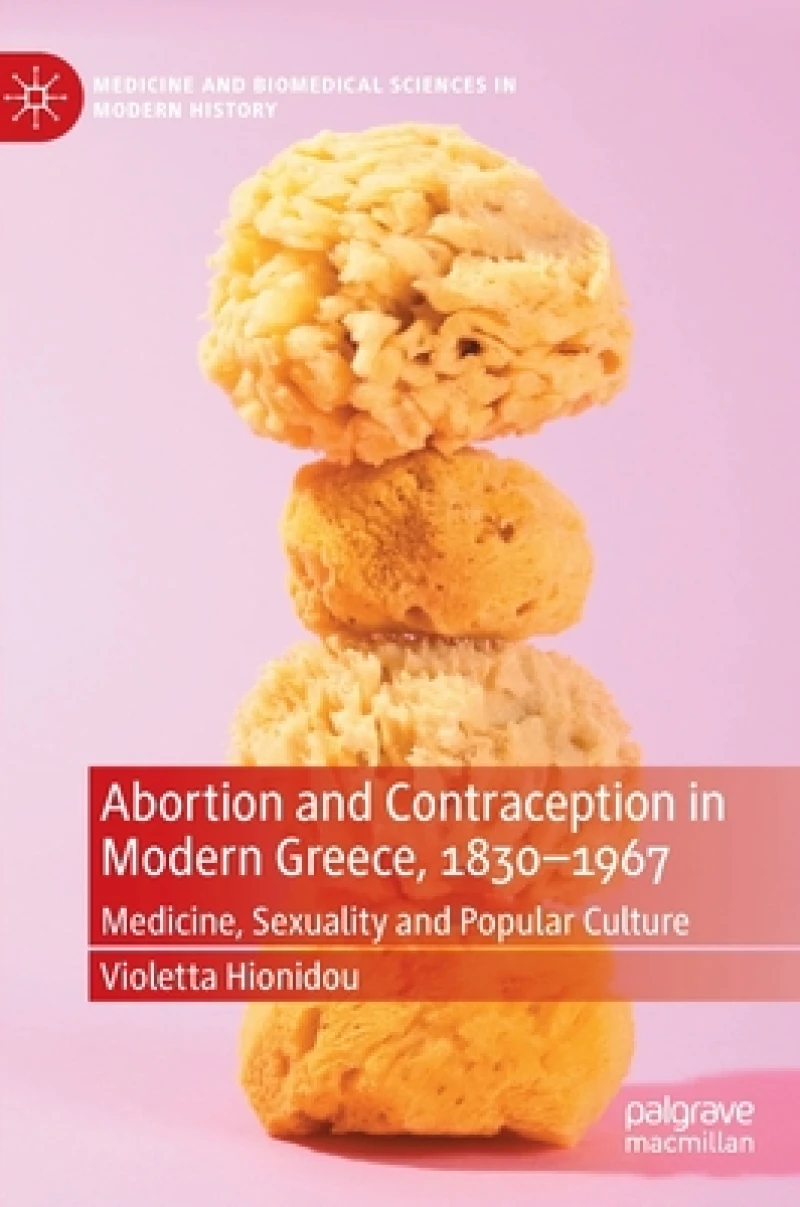
Abortion and Contraception in Modern Greece, 1830-1967 : Medicine, Sexuality and Popular Culture
2020 ed.
Book Details
Format
Hardback or Cased Book
ISBN-10
3030414892
ISBN-13
9783030414894
Edition
2020 ed.
Publisher
Springer Nature Switzerland AG
Imprint
Springer Nature Switzerland AG
Country of Manufacture
GB
Country of Publication
GB
Publication Date
May 16th, 2020
Print length
361 Pages
Weight
594 grams
Dimensions
21.90 x 15.50 x 2.60 cms
Product Classification:
European historySocial & cultural historyEthical issues, topics and debates: reproductive health, abortion and birth controlGender studies, gender groupsEthical issues: abortion & birth controlGender studies, gender groupsPopulation & demographyPopulation and demographyHistory of medicineEuropean historySocial and cultural history
Ksh 14,400.00
Werezi Extended Catalogue
0 in stock
Delivery Location
Delivery fee: Select location
Secure
Quality
Fast
It situates the history of abortion and contraception within the historiography of the fertility decline and the question of whether the decline was due to adjustment to changing social conditions or innovation of contraceptive methods.
The book examines the history of abortion and contraception in Modern Greece from the time of its creation in the 1830s to 1967, soon after the Pill became available. It situates the history of abortion and contraception within the historiography of the fertility decline and the question of whether the decline was due to adjustment to changing social conditions or innovation of contraceptive methods. The study reveals that all methods had been in use for other purposes before they were employed as contraceptives. For example, Greek women were employing emmenagogues well before fertility was controlled; they did so in order to ‘put themselves right’ and to enhance their fertility. When they needed to control their fertility, they employed abortifacients, some of which were also emmenagogues, while others had been used as expellants in earlier times. Curettage was also employed since the late nineteenth century as a cure for sterility; once couples desired to control their fertility curettage was employed to procure abortion. Thus couples did not need to innovate but rather had to repurpose old methods and materials to new birth control methods. Furthermore, the role of physicians was found to have been central in advising and encouraging the use of birth control for ‘health’ reasons, thus facilitating and speeding fertility decline in Greece. All this occurred against the backdrop of a state and a church that were at times neutral and at other times disapproving of fertility control.
Get Abortion and Contraception in Modern Greece, 1830-1967 by at the best price and quality guaranteed only at Werezi Africa's largest book ecommerce store. The book was published by Springer Nature Switzerland AG and it has pages.

