

Accident
by
Andrew Zago
Book Details
Format
Paperback / softback
ISBN-10
9490800791
ISBN-13
9789490800796
Publisher
APE
Imprint
APE
Country of Manufacture
GB
Country of Publication
GB
Publication Date
Apr 1st, 2018
Print length
528 Pages
Weight
535 grams
Product Classification:
The arts: general issuesThe arts: general topics
KSh 4,500.00
Publisher Out of Stock
0 in stock
Delivery Location
Delivery fee: Select location
Secure
Quality
Fast
n fields, such as architecture, that produce carefully authored compositions, the chance arrangements of material grain, patinas, or other traces of matter’s resistance to orderly control are sometimes allowed an expression in the final work. In these instances they are viewed as desirable features—even moral ones when touted as evidence of a work’s architectonic authenticity. Beyond this limited embellishment nature provides to otherwise determined technological assemblies, there are larger scale also embraced instances of matter’s random nature acting against, and in part undoing, such assemblies. The effects of weathering and the slouch or deformation of structures over time are often seen as endearing informal enhancements to the rigidity of precise compositions. A more extreme but equally well understood example is the classical ruin. In it, a technological assembly (a building) is undermined to a degree that the total final effect is coproduced by the original composition and its material disassembly. Since at least Romanticism such ruins—almost always in stone—have garnered a level of appreciation that can be considered connoisseurship. In all of these instances there is happenstance; the appearance of a complex, stochastic logic of matter—both its crystalline or organic growth and its complex degradation in its environment—that is outside of and contrary to our instrumental control, unraveling our intended arrangements. We may dress a rock in geometric form and name it ‘column,’ but eventually—if centuries later—it will return to its feral state and, if still functioning, may even cause a structure to collapse. This interplay of happenstance and control extends well beyond these familiar occasions and their attendant sensibilities. They are all accidents, and as such they represent only a small, historically aestheticized, subset of an interplay that (potentially) exists in every technological assembly.
Get Accident by Andrew Zago at the best price and quality guaranteed only at Werezi Africa's largest book ecommerce store. The book was published by APE and it has 528 pages.
Customers Who Bought This Also Bought
On Freedom
KSh 2,350.00
How To Live An Artful Life
KSh 3,050.00

Photography
KSh 7,350.00
Fail Better
KSh 6,200.00
First Person Singular
KSh 1,800.00
Rosarita
KSh 1,800.00
The Art of Diremption – On the Powerlessness of Art
KSh 3,300.00
Languages of Truth
KSh 2,350.00

Fish Out of Water
KSh 2,700.00
The Artist's Curse
KSh 2,900.00
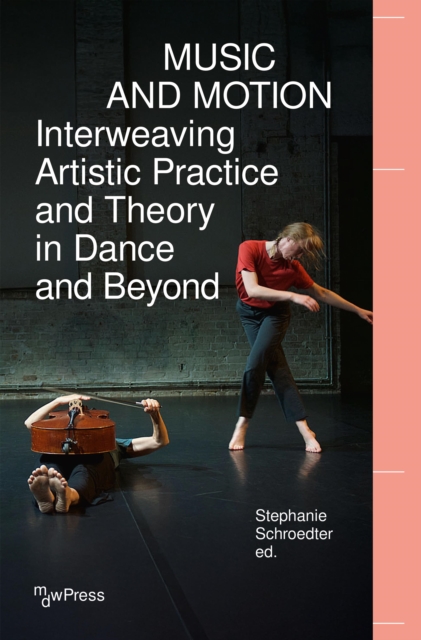
Music and Motion – Interweaving Artistic Practice and Theory in Dance and Beyond
KSh 13,150.00
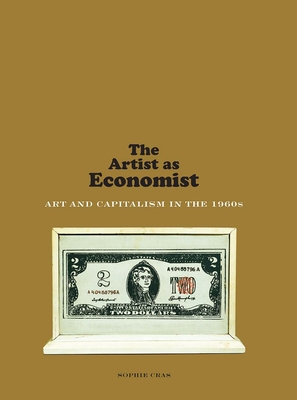
The Artist as Economist – Art and Capitalism in the 1960s
KSh 10,450.00

