
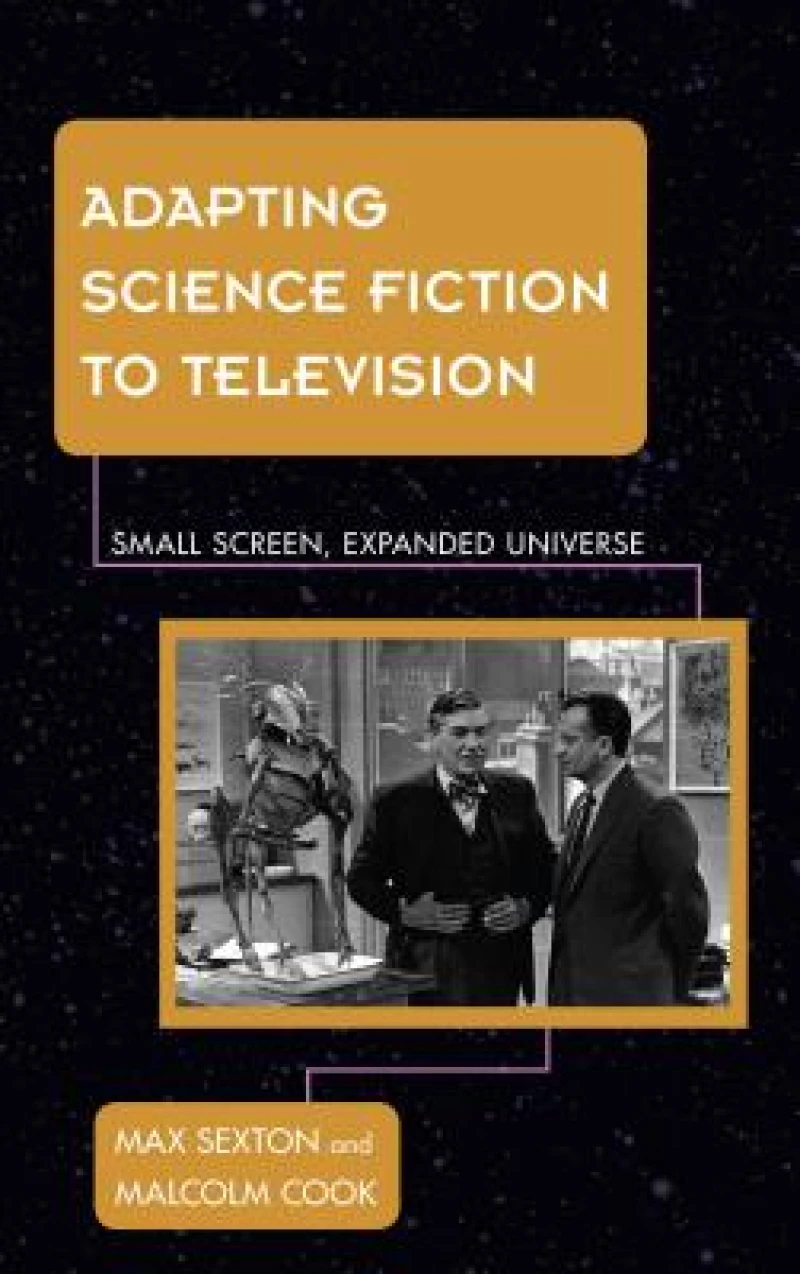
Adapting Science Fiction to Television : Small Screen, Expanded Universe
Book Details
Format
Hardback or Cased Book
Book Series
Science Fiction Television
ISBN-10
1442252693
ISBN-13
9781442252691
Publisher
Bloomsbury Publishing Plc
Imprint
Rowman & Littlefield Publishers
Country of Manufacture
GB
Country of Publication
GB
Publication Date
Jul 1st, 2015
Print length
198 Pages
Weight
450 grams
Dimensions
23.80 x 16.10 x 2.00 cms
Product Classification:
TelevisionLiterary studies: fiction, novelists & prose writers
Ksh 17,400.00
Manufactured on Demand
0 in stock
Delivery Location
Delivery fee: Select location
Secure
Quality
Fast
This book looks at the adaptation of science fiction from literary and film sources for television. The authors examine television as having a separate identity and separate aesthetic principles from film and draw appropriate comparisons.
Before it reached television, science fiction existed on the printed page, in comic books, and on movie screens for decades. Adapting science fiction to the new medium posed substantial challenges: Small viewing screens and limited production facilities made it difficult to achieve the sense of wonder that had become the genre''s hallmark. Yet, television also offered unprecedented opportunities. Its serial nature allowed for longer, more complex stories, as well as developing characters and building suspense over time. Producers of science fiction television programming learned to create adaptations that honored the source material—literature, comics, or film—while taking full advantage of television''s unique aesthetic.In Adapting Science Fiction to Television: Small Screen, Expanded Universe, Max Sexton and Malcolm Cook examine how the genre evolved over time. The authors consider productions in both the UK and the United States, ranging from Walt Disney''s acclaimed "Man in Space" in the 1950s to the BBC''s reimagined Day of the Triffids in the 1990s. Iconic characters from Flash Gordon and Captain Nemo to Superman and Professor Quatermass all play a role in this history, along with such authors as E. M. Forster and Wernher von Braun. The real stars of this study, however, are the pioneering producers and directors who learned how to bring imagined worlds and fantastic stories into living rooms across the globe. The authors make the case that television has become more sophisticated, capable of taking on larger themes and deploying a more complex use of the image than other media. A unique reappraisal of the history and dynamics of the medium, Adapting Science Fiction Television will be of interest not only to scholars of science fiction, but to anyone interested in the early history of television, as well as the evolution of its unique capacity to tell stories.
Get Adapting Science Fiction to Television by at the best price and quality guaranteed only at Werezi Africa's largest book ecommerce store. The book was published by Bloomsbury Publishing Plc and it has pages.

