
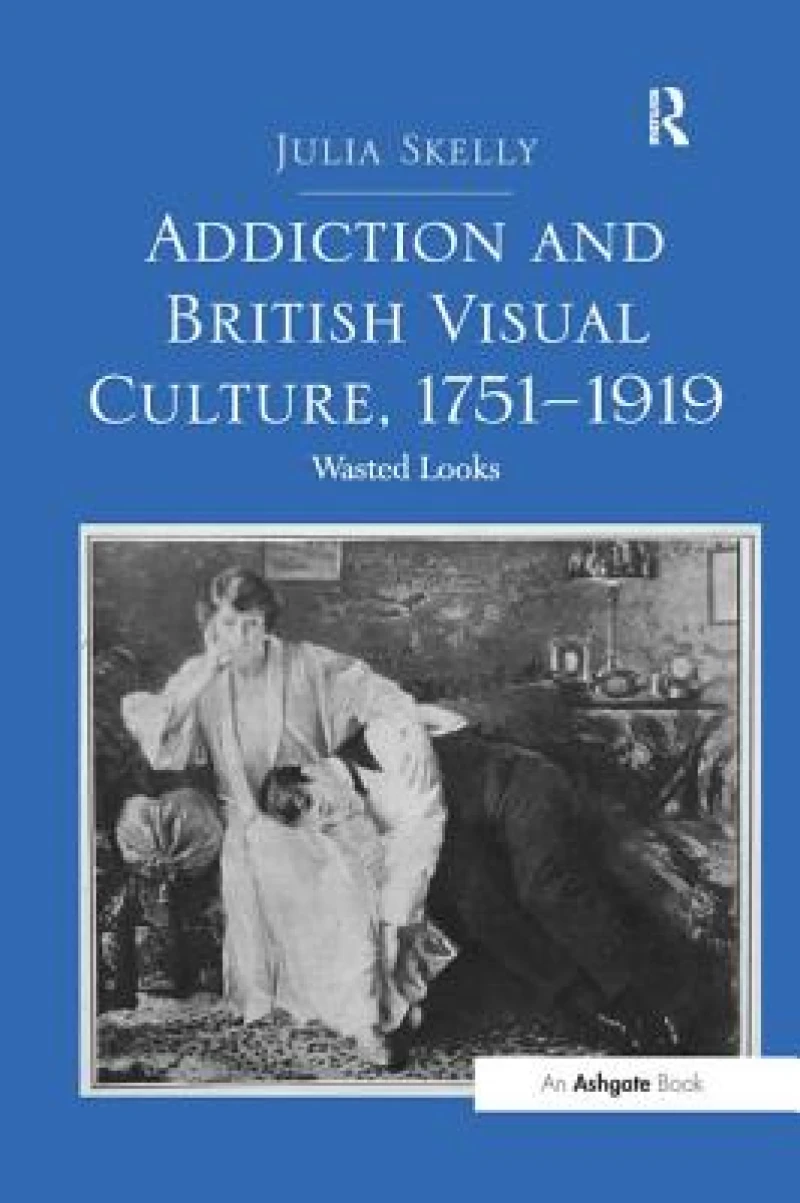
Addiction and British Visual Culture, 1751-1919 : Wasted Looks
by
Julia Skelly
Book Details
Format
Paperback / Softback
ISBN-10
113827156X
ISBN-13
9781138271562
Publisher
Taylor & Francis Ltd
Imprint
Routledge
Country of Manufacture
GB
Country of Publication
GB
Publication Date
Nov 28th, 2016
Print length
200 Pages
Weight
326 grams
Dimensions
15.90 x 23.50 x 1.30 cms
Ksh 11,350.00
Werezi Extended Catalogue
0 in stock
Delivery Location
Delivery fee: Select location
Secure
Quality
Fast
This book investigates and problematizes the long-held belief that addiction is legible from the body, thus positioning visual images as unreliable sources in attempts to identify alcoholics and drug addicts. Examining paintings, graphic satire, photographs, advertisements and architectural sites, Skelly explores such issues as ongoing anxieties about maternal drinking; the punishment and confinement of addicted individuals; the mobility of female alcoholics through the streets and spaces of nineteenth-century London; and soldiers'' use of addictive substances such as cocaine and tobacco to cope with traumatic memories following the First World War.
Highly innovative and long overdue, this study analyzes the visual culture of addiction produced in Britain during the long nineteenth century. The book examines well-known images such as William Hogarth''s Gin Lane (1751), as well as lesser-known artworks including Alfred Priest''s painting Cocaine (1919), in order to demonstrate how visual culture was both informed by, and contributed to, discourses of addiction in the period between 1751 and 1919. Through her analysis of more than 30 images, Julia Skelly deconstructs beliefs and stereotypes related to addicted individuals that remain entrenched in the popular imagination today. Drawing upon both feminist and queer methodologies, as well as upon extensive archival research, Addiction and British Visual Culture, 1751-1919 investigates and problematizes the long-held belief that addiction is legible from the body, thus positioning visual images as unreliable sources in attempts to identify alcoholics and drug addicts. Examining paintings, graphic satire, photographs, advertisements and architectural sites, Skelly explores such issues as ongoing anxieties about maternal drinking; the punishment and confinement of addicted individuals; the mobility of female alcoholics through the streets and spaces of nineteenth-century London; and soldiers'' use of addictive substances such as cocaine and tobacco to cope with traumatic memories following the First World War.
Get Addiction and British Visual Culture, 1751-1919 by at the best price and quality guaranteed only at Werezi Africa's largest book ecommerce store. The book was published by Taylor & Francis Ltd and it has pages.

