
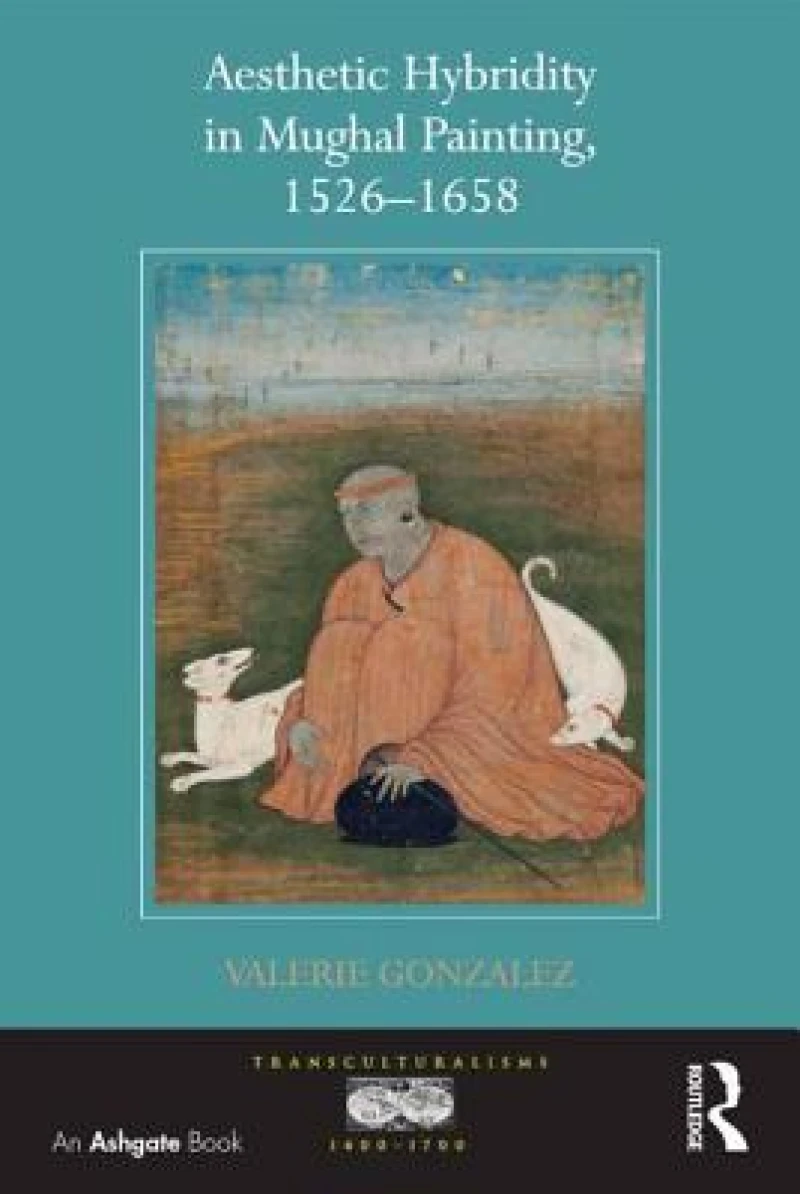
Aesthetic Hybridity in Mughal Painting, 1526?1658
Book Details
Format
Hardback or Cased Book
Book Series
Transculturalisms, 1400-1700
ISBN-10
1409412563
ISBN-13
9781409412564
Publisher
Taylor & Francis Ltd
Imprint
Routledge
Country of Manufacture
GB
Country of Publication
GB
Publication Date
Oct 28th, 2015
Print length
336 Pages
Weight
852 grams
Dimensions
16.50 x 24.10 x 2.70 cms
Ksh 30,950.00
Werezi Extended Catalogue
0 in stock
Delivery Location
Delivery fee: Select location
Secure
Quality
Fast
The first specialized critical-aesthetic study to be published on the concept of hybridity in early Mughal painting, this book investigates the workings of the diverse creative forces that led to the formation of a unique Mughal pictorial language. Mughal pictoriality distinguishes itself from the Persianate models through the rationalization of the picture?s conceptual structure and other visual modes of expression involving the aesthetic concept of mimesis. If the stylistic and iconographic results of this transformational process have been well identified and evidenced, their hermeneutic interpretation greatly suffers from the neglect of a methodologically updated investigation of the images? conceptual underpinning. Valerie Gonzalez addresses this lacuna by exploring the operations of cross-fertilization at the level of imagistic conceptualization resulting from the multifaceted encounter between the local legacy of Indo-Persianate book art, the freshly imported Persian models to Mughal India after 1555 and the influx of European art at the Mughal court in the sixteenth and seventeenth centuries. The author''s close examination of the visuality, metaphysical order and aesthetic language of Mughal imagery and portraiture sheds new light on this particular aspect of its aesthetic hybridity, which is usually approached monolithically as a historical phenomenon of cross-cultural interaction. That approach fails to consider specific parameters and features inherent to the artistic practice, such as the differences between doxis and praxis, conceptualization and realization, intentionality and what lies beyond it. By studying the distinct phases and principles of hybridization between the variegated pictorial sources at work in the Mughal creative process at the successive levels of the project/intention, the practice/realization and the result/product, the author deciphers the modalities of appropriation and manipulation of the heterogeneous elements. Her unique
Get Aesthetic Hybridity in Mughal Painting, 1526?1658 by at the best price and quality guaranteed only at Werezi Africa's largest book ecommerce store. The book was published by Taylor & Francis Ltd and it has pages.

