
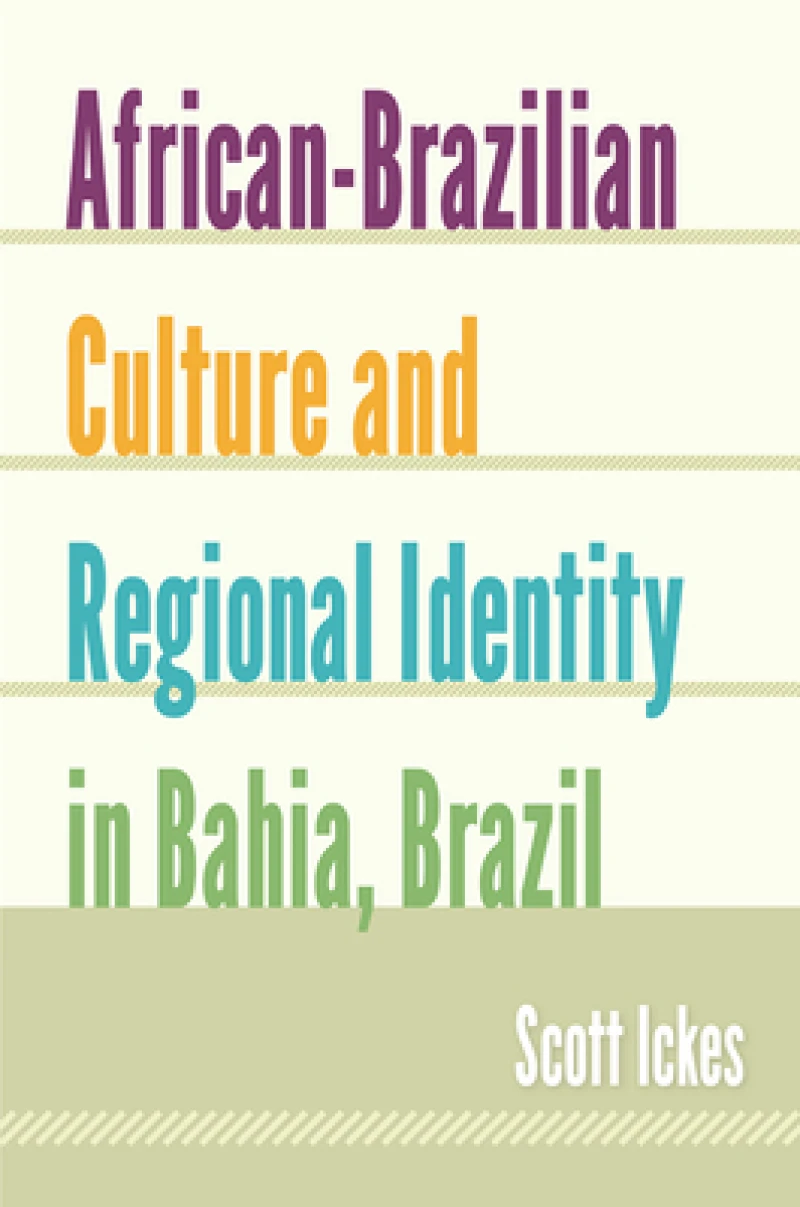
African-Brazilian Culture and Regional Identity in Bahia, Brazil
by
Scott Ickes
Book Details
Format
Hardback or Cased Book
Book Series
New World Diasporas
ISBN-10
0813044782
ISBN-13
9780813044781
Publisher
University Press of Florida
Imprint
University Press of Florida
Country of Manufacture
US
Country of Publication
GB
Publication Date
Sep 24th, 2013
Print length
320 Pages
Weight
456 grams
Dimensions
23.10 x 15.70 x 2.20 cms
Product Classification:
Cultural studiesCultural studies
Ksh 10,800.00
Temporarily out of stock, due soon
0 in stock
Delivery Location
Delivery fee: Select location
Secure
Quality
Fast
Salvador, the capital of the state of Bahia, is often referred to as “Brazil’s Black Rome” because of its culturally complex, vibrant and historically rich African-descended population, one of the largest in Latin America. Yet even though the state has a majority black population, African-Bahians remain a marginalised racial group within the state as a whole.
In African-Brazilian Culture and Regional Identity in Bahia, Brazil, Scott Ickes examines how in the middle of the twentieth century, Bahian elites began to recognise African-Bahian cultural practices as essential components of Bahian regional identity. Previously, public performances of traditionally African-Bahian practices such as capoeira, samba, and Candomblé during carnival and other popular religious festivals had been repressed in favour of more European traditions.
The newfound acceptance of these customs by the elite was a democratic move forward, but it came with limitations. The cultural appropriation of these celebrated markers of African-Bahian identity also perpetuated the political and economic marginalisation of the black majority. Nevertheless, Ickes argues that this cultural-political dynamic between African-Bahian cultural practitioners and their dominant class allies helped to create a meaningful framework through which African-Bahian inclusion could be negotiated - a framework that is also important in the larger discussions of race and regional and national identity throughout Brazil.
In African-Brazilian Culture and Regional Identity in Bahia, Brazil, Scott Ickes examines how in the middle of the twentieth century, Bahian elites began to recognise African-Bahian cultural practices as essential components of Bahian regional identity. Previously, public performances of traditionally African-Bahian practices such as capoeira, samba, and Candomblé during carnival and other popular religious festivals had been repressed in favour of more European traditions.
The newfound acceptance of these customs by the elite was a democratic move forward, but it came with limitations. The cultural appropriation of these celebrated markers of African-Bahian identity also perpetuated the political and economic marginalisation of the black majority. Nevertheless, Ickes argues that this cultural-political dynamic between African-Bahian cultural practitioners and their dominant class allies helped to create a meaningful framework through which African-Bahian inclusion could be negotiated - a framework that is also important in the larger discussions of race and regional and national identity throughout Brazil.
Get African-Brazilian Culture and Regional Identity in Bahia, Brazil by at the best price and quality guaranteed only at Werezi Africa's largest book ecommerce store. The book was published by University Press of Florida and it has pages.

