
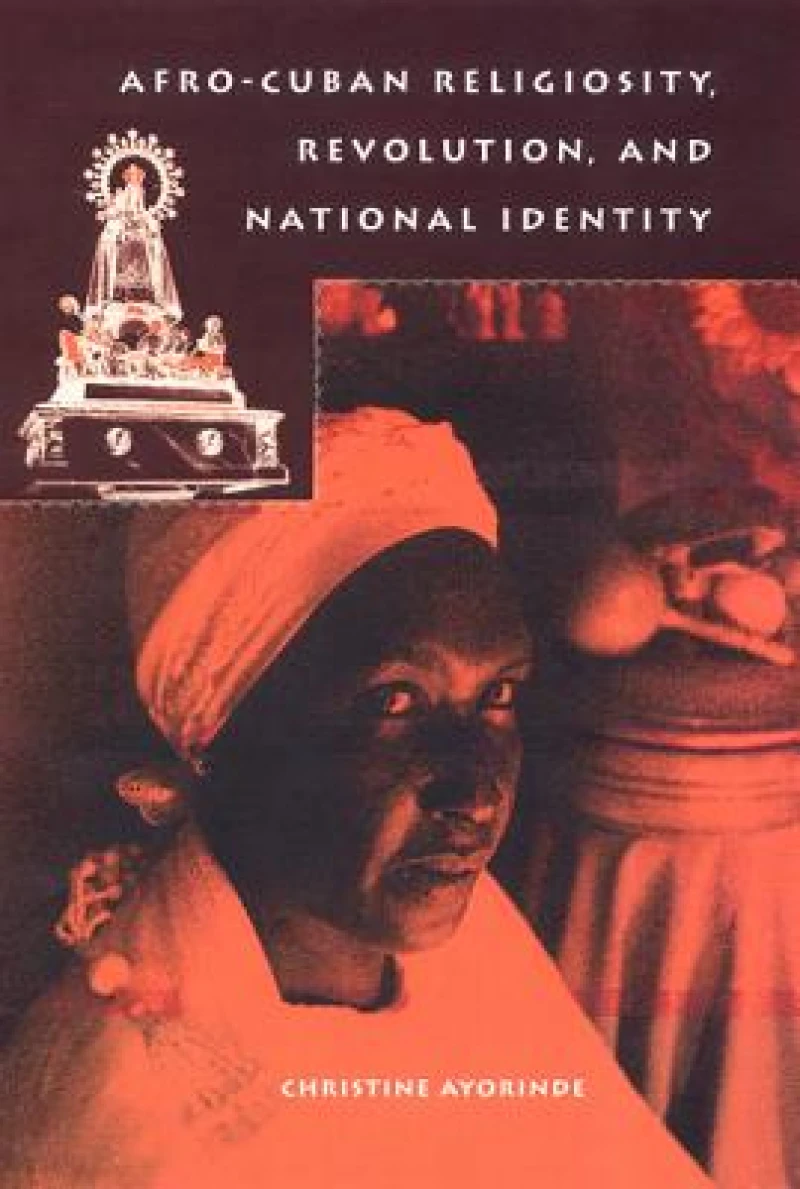
Afro-Cuban Religiosity, Revolution, and National Identity
Book Details
Format
Hardback or Cased Book
ISBN-10
0813027551
ISBN-13
9780813027555
Publisher
University Press of Florida
Imprint
University Press of Florida
Country of Manufacture
US
Country of Publication
GB
Publication Date
Dec 31st, 2004
Weight
560 grams
Dimensions
23.20 x 16.00 x 2.50 cms
Ksh 8,800.00
Temporarily out of stock, due soon
0 in stock
Delivery Location
Delivery fee: Select location
Secure
Quality
Fast
Afro-Cuban religions - especially the practice of santeria, based on West African traditions - are an essential aspect of contemporary Cuban identity, Christine Ayorinde argues, and their existence has forced the current revolutionary state into bizarre and contradictory positions.
Afro-Cuban religions - especially the practice of santeria, based on West African traditions - are an essential aspect of contemporary Cuban identity, Christine Ayorinde argues, and their existence has forced the current revolutionary state into bizarre and contradictory positions. Ayorinde''s bold assertion confounds official pronouncements about the irrelevance of religion in a modern socialist state. The revolutionary leadership has acknowledged the centrality of Cuba''s African heritage, while upholding the idea of a nationhood that transcends racial difference. Ayorinde proposes that the conflict between the desire to recognize the country''s African roots and the offical commitment to a secular state has created a complex, often paradoxical situation. Despite an ideological campaign to create a new, rational society, African-derived religions are emerging today for the first time from a position of marginality. Cuba now is beset with a sense of disorientation as well as a return to old habits and patterns, including racial inequality. Based mostly inside Cuba, Ayorinde''s research includes interviews and conversations with individual Cubans, including practitioners of Afro-Cuban religions from different ethnic backgrounds. Ayorinde also interviewed both religious and atheist commentators on Afro-Cuban religions and culture, including academics, journalists, party officials, and members of governmental and nongovernmental institutions, many at the forefront of efforts to give santeria greater recognition as a central component of the national culture. In addition, the book offers a fresh historical overview of changing religious forms and attitudes in Cuba, examining the encounter with European culture and the Roman Catholic Church, religious practice among slaves in the 19th century, the concept of racial fraternity articulated by Cuban patriot Jose Marti, and the witchcraft scares of the early decades of the 20th century, when religious practices were associated with criminality. Its emphasis on the period since 1959 and on the current decade places it on the cutting edge of studies that examine contemporary Cuban culture.
Get Afro-Cuban Religiosity, Revolution, and National Identity by at the best price and quality guaranteed only at Werezi Africa's largest book ecommerce store. The book was published by University Press of Florida and it has pages.

