
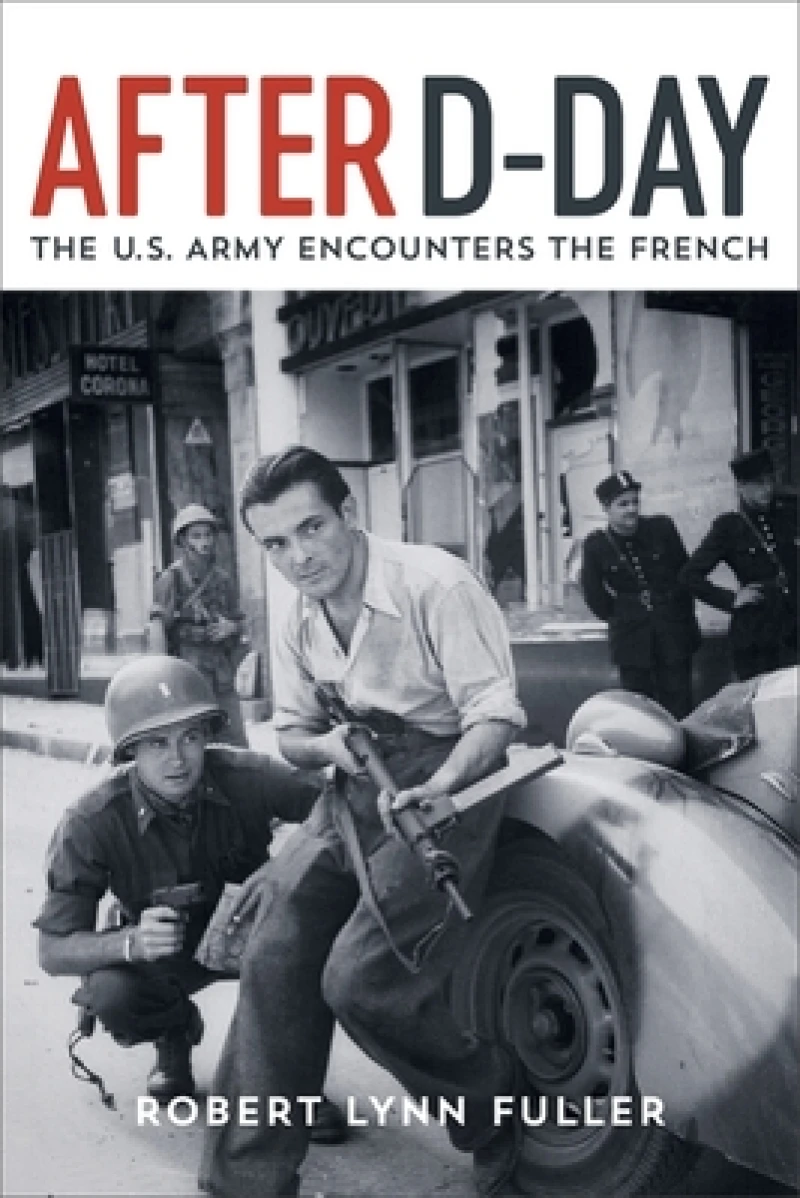
After D-Day : The U.S. Army Encounters the French
Book Details
Format
Hardback or Cased Book
ISBN-10
0807174955
ISBN-13
9780807174951
Publisher
Louisiana State University Press
Imprint
Louisiana State University Press
Country of Manufacture
US
Country of Publication
GB
Publication Date
Feb 24th, 2021
Print length
320 Pages
Weight
605 grams
Dimensions
23.60 x 19.30 x 3.00 cms
Ksh 6,850.00
Temporarily out of stock, due soon
0 in stock
Delivery Location
Delivery fee: Select location
Secure
Quality
Fast
One of a small but growing body of works that examine the Allied liberators of France. Revealing in stark detail the experiences of French civilians with the American military, After D-Day presents a compelling coda to our understanding of the Allied conquest of German-occupied France.
After D-Day is one of a small but growing body of works that examine the Allied liberators of France. This study focuses on both the French experience of the U.S. Army and the American soldiers' reaction to the French during the liberation and its immediate aftermath. Drawing on French and American archival materials, as well as dozens of memoirs, diaries, letters, and newspapers, Robert Lynn Fuller follows French and American interactions, starting in the skies over France in 1942 and ending with the liberation of Alsace in 1945. Fuller pays special attention to French life in the war zones, where living under constant shelling offered a miserable experience for those forced to endure it. The French stoically withstood those travails-sometimes inflicted by the Americans-when they saw their sacrifices as the price of liberation and victory over Germany. As Fuller shows, when the French did not believe afflictions brought by the Americans advanced the cause of success, their tolerance waned, sometimes dramatically.
Fuller maintains that the Allied bombing of France was an important yet often overlooked chapter of World War II, one that inflicted more death and destruction than the ground war still to come. Yet the ground campaign, which began with the Allied invasion of Normandy, unleashed enormous violence that killed, injured, or rendered homeless tens of thousands of French civilians. Fuller examines French and American records of the fate of civilians in the principal battle zones, Normandy and Lorraine, as well as in overlooked liberated regions, such as Orl?®anais and Champagne, that largely escaped widespread damage and casualties. Despite French gratitude toward the Americans for the liberation of their country, relations began to cool in the fall and winter of 1944 as progress on the battlefield slowed and then appeared to reverse with the German offensive in the Ardennes.
Revealing in stark detail the experiences of French civilians with the American military, After D-Day presents a compelling coda to our understanding of the Allied conquest of German-occupied France.
Fuller maintains that the Allied bombing of France was an important yet often overlooked chapter of World War II, one that inflicted more death and destruction than the ground war still to come. Yet the ground campaign, which began with the Allied invasion of Normandy, unleashed enormous violence that killed, injured, or rendered homeless tens of thousands of French civilians. Fuller examines French and American records of the fate of civilians in the principal battle zones, Normandy and Lorraine, as well as in overlooked liberated regions, such as Orl?®anais and Champagne, that largely escaped widespread damage and casualties. Despite French gratitude toward the Americans for the liberation of their country, relations began to cool in the fall and winter of 1944 as progress on the battlefield slowed and then appeared to reverse with the German offensive in the Ardennes.
Revealing in stark detail the experiences of French civilians with the American military, After D-Day presents a compelling coda to our understanding of the Allied conquest of German-occupied France.
Get After D-Day by at the best price and quality guaranteed only at Werezi Africa's largest book ecommerce store. The book was published by Louisiana State University Press and it has pages.

