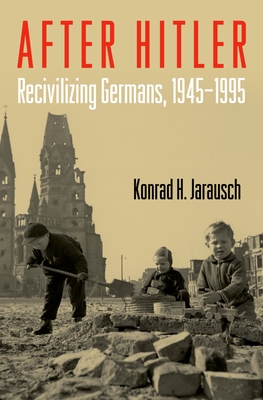
After Hitler : Recivilizing Germans, 1945-1995
Book Details
Format
Hardback
ISBN-10
019512779X
ISBN-13
9780195127799
Publisher
Oxford University Press Inc
Imprint
Oxford University Press Inc
Country of Manufacture
GB
Country of Publication
GB
Publication Date
Sep 21st, 2006
Print length
400 Pages
Weight
698 grams
Dimensions
24.60 x 15.50 x 3.20 cms
Product Classification:
European historyPostwar 20th century history, from c 1945 to c 2000Politics & government
KSh 28,750.00
Currently unavailable
0 in stock
Delivery Location
Delivery fee: Select location
Secure
Quality
Fast
How did the Germans manage to recover from the shattering experience of defeat in World War II and rehabilitate themselves from the unspeakable crimes of the Holocaust? This book seeks to answer this question by analyzing the restoration of civility and civil society, which were destroyed by the Nazis and then rebuilt during the post-war period.
How did the Germans manage to recover from the shattering experience of defeat in World War II and rehabilitate themselves from the unspeakable crimes of the Holocaust? This book seeks to answer this most important question of German history during the second half of the 20th century by analyzing the restoration of civility and civil society which were destroyed by the Nazis and then rebuilt during the post-war period. It argues that the transformation of German political culture was the result of a joint effort of the allied victors and a minority of concerned democrats, with external influences predominating initially and internal rethinking ultimately bringing the process to fruition. In the competition between the Western democratic and the Eastern communist models, the former won out eventually, because it proved more appealing to ordinary Germans for material and political reasons. The recivilizing proceeded primarily in three stages: During the immediate postwar period the occupation powers sought to demilitarize, denazify, and decartelize the defeated enemy so as to prevent the outbreak of World War Three by eliminating those negative traditions that had produced the first two conflicts. During the second half of the 1960s and the early 1970s, the Germans themselves tried to catch up to the modernization taking place among their neighbors by Westernizing their culture, democratizing their outlook and expanding participation through generational protest. During the second half of the 1980s and the early 1990s they attempted to complete their metamorphosis by repudiating Communism in the East, recovering a more normal sense of identity and dealing with the difficult immigration issue. This long-range transformation process has fostered the emergence of a new Berlin Republic that not only changed the location of the capital, but also infused German politics with a new, more self-confident spirit. Viewed from the vantage point of the physical and mental devastation of 1945, this rebirth is a truly astounding success story.
Get After Hitler by Konrad H Jarausch at the best price and quality guaranteed only at Werezi Africa's largest book ecommerce store. The book was published by Oxford University Press Inc and it has 400 pages.
Customers Who Bought This Also Bought
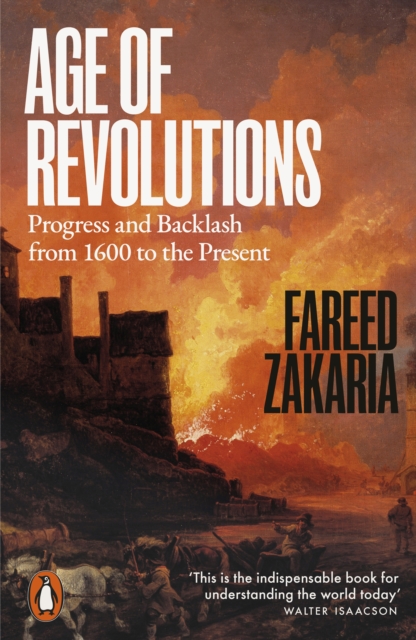
Age of Revolutions
KSh 2,350.00

Eichmann in Jerusalem
KSh 2,350.00

Trouble With Being Born
KSh 2,000.00

Hiroshima
KSh 2,000.00
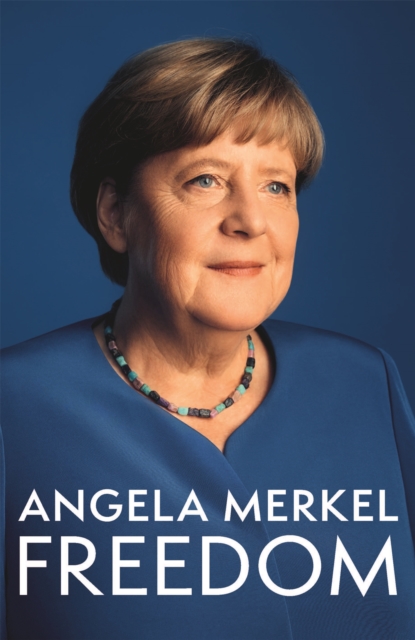
Freedom
KSh 6,300.00
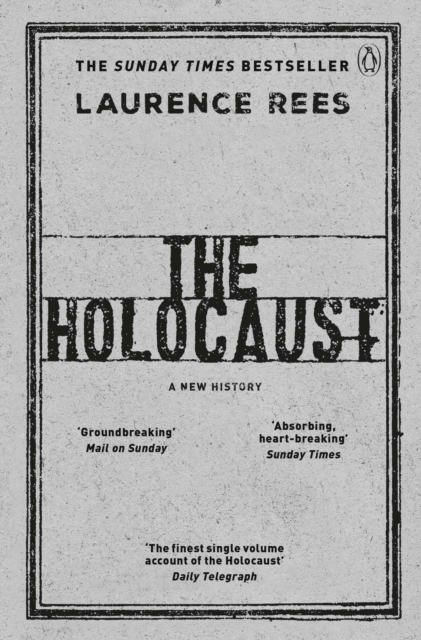
Holocaust
KSh 2,700.00
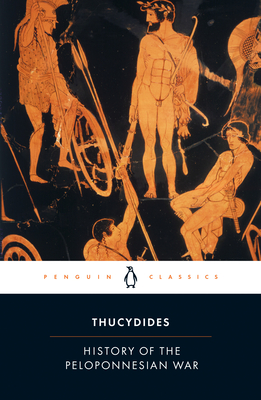
The History of the Peloponnesian War
KSh 2,700.00
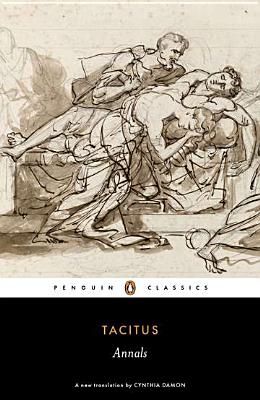
Annals
KSh 2,350.00
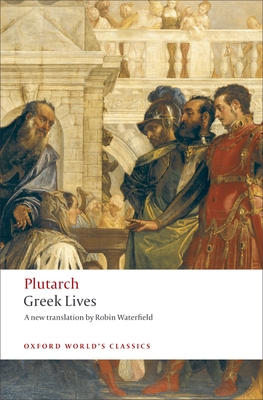
Greek Lives
KSh 2,150.00
Sleepwalkers
KSh 3,400.00

Napoleon The Great
KSh 3,600.00
Diary of a Young Girl
KSh 1,800.00