
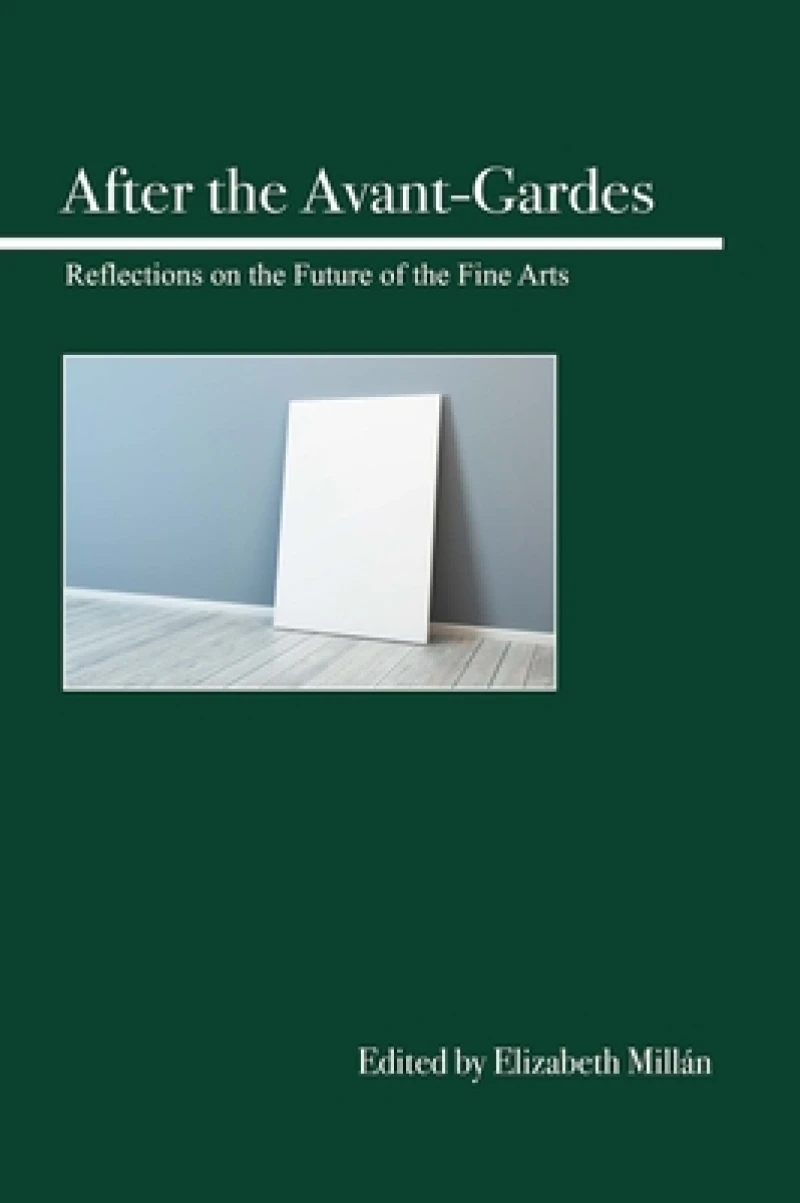
After the Avant-Gardes
Book Details
Format
Paperback / Softback
ISBN-10
0812698924
ISBN-13
9780812698923
Publisher
Open Court Publishing Co ,U.S.
Imprint
Open Court Publishing Co ,U.S.
Country of Manufacture
GB
Country of Publication
GB
Publication Date
Jan 28th, 2016
Print length
192 Pages
Weight
354 grams
Product Classification:
Philosophy: aesthetics
Ksh 6,500.00
Re-Printing
0 in stock
Delivery Location
Delivery fee: Select location
Secure
Quality
Fast
After the Avant-Gardes is a rallying call for all those who challenge artistic modernism. This is a collection of ten provocative essays on the arts by writers of varied orientations who share a skepticism about the exaggerated role of modernism and the successive avant-gardes in shaping what is accepted as valid contemporary art. The essays cover painting and other visual arts, literature, music, and general observations. Not an exercise in hand-wringing, it looks for different directions in which the arts may fruitfully evolve. Paul A. Cantor contributes a study of the Norwegian anti-modernist painter Odd Nerdrum, who sees modernist art as totalitarian. Michelle Marder Kamhi criticizes the avant-gardist neglect of mimesis as a key to the cognitive and emotional functions of art. Henning Tegtmeyer evaluates Hegel's and Danto's views of "the end of art." Jonathan Le Cocq examines Karl Popper's objections to progressivism in music. Frederick Turner presents a manifesto for a new avant-garde based on beauty, science, the general public as audience, and the reunion of "high" with "low" art. Paul Lake offers a new paradigm for literature. Louis Torres questions the privileged position, amounting to an institutional monopoly, of modernist avant-gardism in the arts world.
After the Avant-Gardes is a rallying call for all those who challenge artistic modernism. This is a collection of ten provocative essays on the arts by writers of varied orientations who share a skepticism about the exaggerated role of modernism and the successive avant-gardes in shaping what is accepted as valid contemporary art. The essays cover painting and other visual arts, literature, music, and general observations. Not an exercise in hand-wringing, it looks for different directions in which the arts may fruitfully evolve.
Paul A. Cantor contributes a study of the Norwegian anti-modernist painter Odd Nerdrum, who sees modernist art as totalitarian. Michelle Marder Kamhi criticizes the avant-gardist neglect of mimesis as a key to the cognitive and emotional functions of art. Henning Tegtmeyer evaluates Hegels and Dantos views of the end of art. Jonathan Le Cocq examines Karl Poppers objections to progressivism in music. Frederick Turner presents a manifesto for a new avant-garde based on beauty, science, the general public as audience, and the reunion of high with low art. Paul Lake offers a new paradigm for literature. Louis Torres questions the privileged position, amounting to an institutional monopoly, of modernist avant-gardism in the arts world.
Paul A. Cantor contributes a study of the Norwegian anti-modernist painter Odd Nerdrum, who sees modernist art as totalitarian. Michelle Marder Kamhi criticizes the avant-gardist neglect of mimesis as a key to the cognitive and emotional functions of art. Henning Tegtmeyer evaluates Hegels and Dantos views of the end of art. Jonathan Le Cocq examines Karl Poppers objections to progressivism in music. Frederick Turner presents a manifesto for a new avant-garde based on beauty, science, the general public as audience, and the reunion of high with low art. Paul Lake offers a new paradigm for literature. Louis Torres questions the privileged position, amounting to an institutional monopoly, of modernist avant-gardism in the arts world.
Get After the Avant-Gardes by at the best price and quality guaranteed only at Werezi Africa's largest book ecommerce store. The book was published by Open Court Publishing Co ,U.S. and it has pages.

