
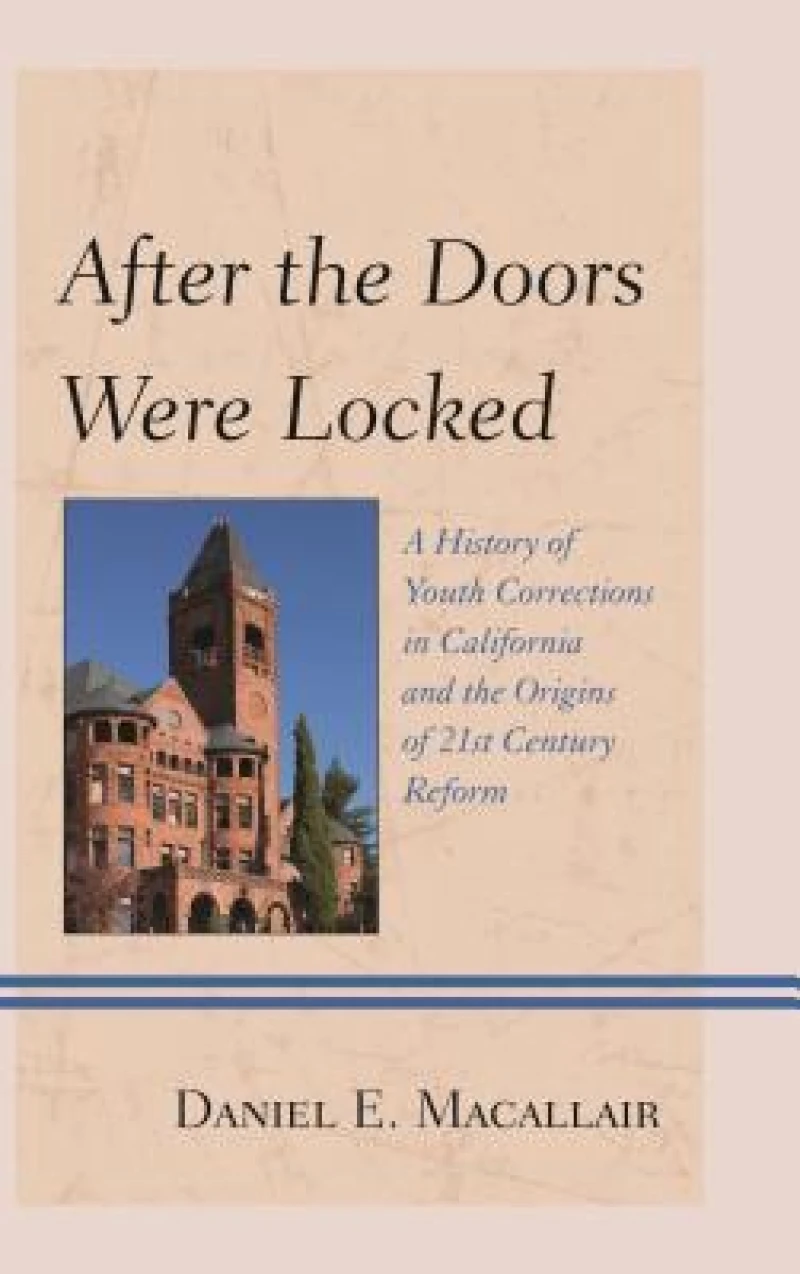
After the Doors Were Locked : A History of Youth Corrections in California and the Origins of Twenty-First Century Reform
Book Details
Format
Hardback or Cased Book
ISBN-10
1442246715
ISBN-13
9781442246713
Publisher
Bloomsbury Publishing Plc
Imprint
Rowman & Littlefield Publishers
Country of Manufacture
GB
Country of Publication
GB
Publication Date
Oct 30th, 2015
Print length
350 Pages
Weight
684 grams
Dimensions
16.20 x 23.70 x 3.30 cms
Product Classification:
History of the AmericasPrisonsJuvenile offendersJuvenile criminal law
Ksh 16,850.00
Manufactured on Demand
0 in stock
Delivery Location
Delivery fee: Select location
Secure
Quality
Fast
After the Doors Were Locked offers a look at the history of youth corrections in California from its origins to the present day. Macallair comments on the practices and how they have evolved throughout the centuries. This book also looks at the reforms currently taking place in California prison systems today.
The California youth corrections system is undergoing the most sweeping transformation in its 154-year history. The extraordinary nature of this change is revealed by the striking decline in the state’s youth incarceration rate. In 1996, with 10,000 youth confined in 11 state-run correctional facilities, California boasted the nation’s third highest youth incarceration rate. Now, with only 800 youth remaining in a system comprised of just three institutions, California has one of the nation’s lowest youth incarceration rate. How did such unprecedented changes occur and what were the crucial conditions that produced them? Daniel E. Macallair answers these questions through an examination of the California youth corrections system’s origins and evolution, and the patterns and practices that ultimately led to its demise. Beginning in the 19th century, California followed national juvenile justice trends by consigning abused, neglected, and delinquent youth to congregate care institutions known as reform schools. These institutions were characterized by their emphasis on regimentation, rigid structure, and harsh discipline. Behind the walls of these institutions, children and youth, who ranged in age from eight to 21, were subjected to unspeakable cruelties. Despite frequent public outcry, life in California reform schools changed little from the opening of the San Francisco Industrial School in 1859 to the dissolution of the California Youth Authority (CYA) in 2005. By embracing popular national trends at various times, California encapsulates much of the history of youth corrections in the United States. The California story is exceptional since the state often assumed a leadership role in adopting innovative policies intended to improve institutional treatment. The California juvenile justice system stands at the threshold of a new era as it transitions from a 19th century state-centered institutional model to a decentralized structure built around localized services delivered at the county level. After the Doors Were Locked is the first to chronicle the unique history of youth corrections and institutional care in California and analyze the origins of today’s reform efforts. This book offers valuable information and guidance to current and future generations of policy makers, administrators, judges, advocates, students and scholars.
Get After the Doors Were Locked by at the best price and quality guaranteed only at Werezi Africa's largest book ecommerce store. The book was published by Bloomsbury Publishing Plc and it has pages.

