

Agency and Cognitive Development
Book Details
Format
Hardback
Book Series
Oxford Series in Cognitive Development
ISBN-10
0198896573
ISBN-13
9780198896579
Publisher
Oxford University Press
Imprint
Oxford University Press
Country of Manufacture
GB
Country of Publication
GB
Publication Date
Aug 29th, 2024
Print length
224 Pages
Weight
462 grams
Dimensions
24.10 x 16.20 x 1.80 cms
KSh 8,650.00
Werezi Extended Catalogue
Delivery in 12 days
1 copies in stock
Delivery Location
Delivery fee: Select location
Delivery in 12 days
Secure
Quality
Fast
This book argues that children cannot simply learn anything at any age, because their capacities to experience and cognitively represent the world are structured by humans' psychological architecture for agentive decision making and action. Changes in these architectures help to explain why children learn what they do when they do.
Children of different ages live in different worlds. This is partly due to learning: as children learn more and more about the world they experience it in different ways. But learning cannot be the whole story or else children could learn anything at any age - which they cannot.In a startlingly original proposal, Michael Tomasello argues that children of different ages live and learn in different worlds because their capacities to cognitively represent and operate on their experience change in significant ways over the first years of life. These capacities change because they are elements in a maturing cognitive architecture evolved for agentive decision making and action, including in shared agencies in which individuals must mentally coordinate with others. The developmental proposal is that from birth infants are goal-directed agents who cognitively represent and learn about actualities; at 9 -12 months toddlers become intentional (and joint) agents who also imaginatively and perspectivally represent and learn about possibilities; and at 3-4 years preschool youngsters become metacognitive (and collective) agents who also metacognitively represent and learn about objective/normative necessities. These developing agentive architectures - originally evolved in humans'' evolutionary ancestors for particular types of decision making and action - help to explain why children learn what they do when they do.This novel agency-based model of cognitive development recognizes the important role of (Bayesian) learning, but at the same time places it in the context of the overall agentive organization of children at particular developmental periods.
Get Agency and Cognitive Development by Michael Tomasello at the best price and quality guaranteed only at Werezi Africa's largest book ecommerce store. The book was published by Oxford University Press and it has 224 pages.
Customers Who Bought This Also Bought

The Anxious Generation
KSh 2,000.00
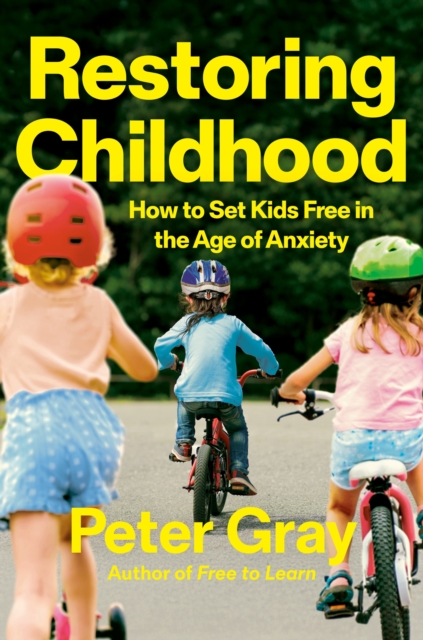
Restoring Childhood
KSh 3,050.00
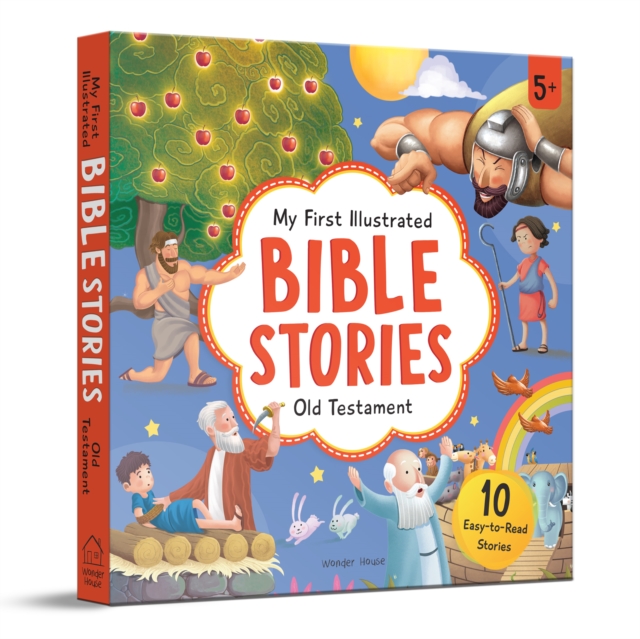
Bible old testament bindup_8x8
KSh 2,450.00
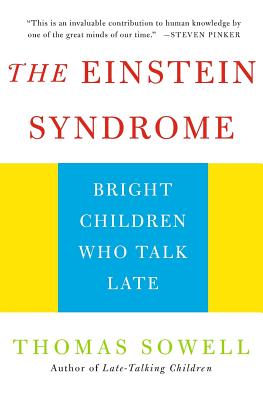
The Einstein Syndrome
KSh 3,200.00
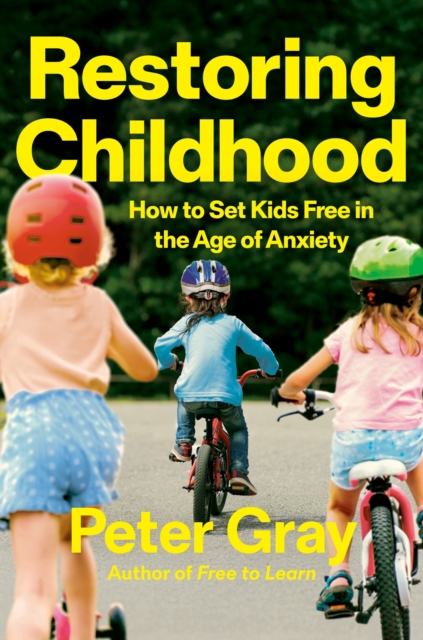
Restoring Childhood
KSh 4,500.00
Free to Learn
KSh 3,050.00
Key Issues in Childhood and Youth Studies
KSh 8,000.00

Key Issues in Childhood and Youth Studies
KSh 30,950.00
Outsmart Anxiety
KSh 4,700.00
How Children Succeed
KSh 3,400.00
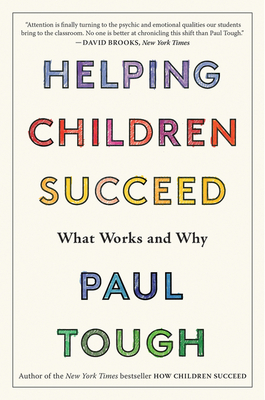
Helping Children Succeed
KSh 3,050.00

The Life and Creative Works of Paulo Coelho
KSh 21,600.00
More by Michael Tomasello

Why We Cooperate
KSh 3,400.00
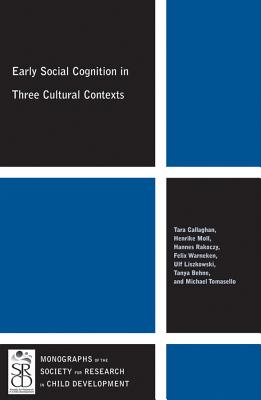
Early Social Cognition in Three Cultural Contexts
KSh 7,750.00
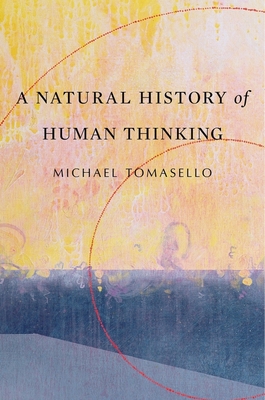
A Natural History of Human Thinking
KSh 9,900.00
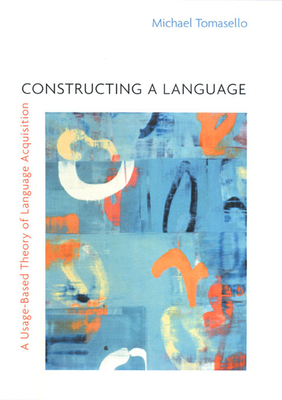
Constructing a Language – A Usage–Based Theory of Language Acquisition
KSh 5,200.00

Primate Cognition
KSh 8,500.00
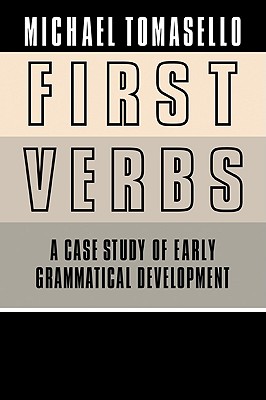
First Verbs
KSh 8,850.00
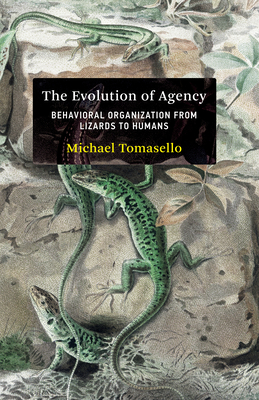
The Evolution of Agency
KSh 6,850.00
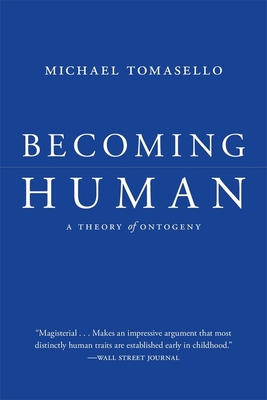
Becoming Human – A Theory of Ontogeny
KSh 3,800.00
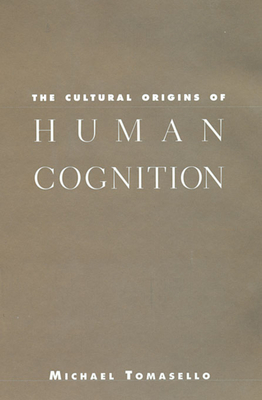
The Cultural Origins of Human Cognition
KSh 6,050.00
A Natural History of Human Morality
KSh 9,900.00
