
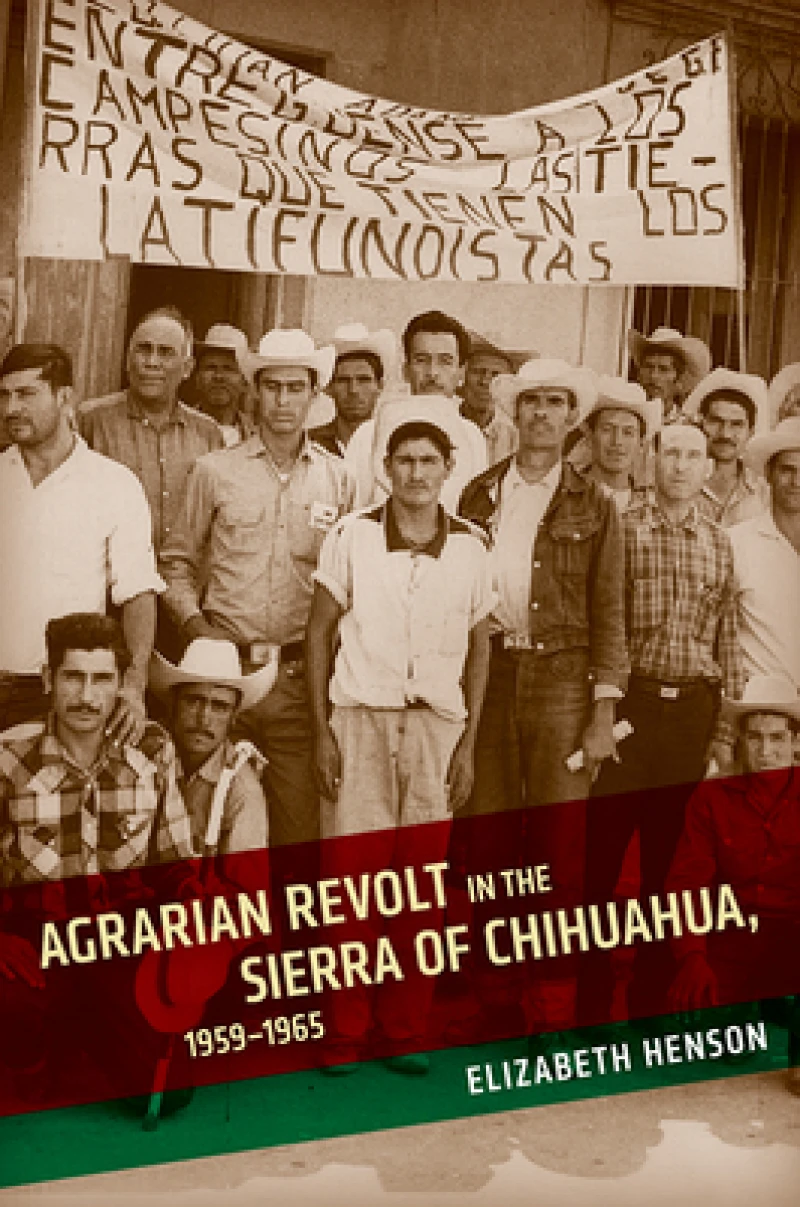
Agrarian Revolt in the Sierra of Chihuahua, 1959-1965
Book Details
Format
Paperback / Softback
ISBN-10
0816550301
ISBN-13
9780816550302
Publisher
University of Arizona Press
Imprint
University of Arizona Press
Country of Manufacture
GB
Country of Publication
GB
Publication Date
Dec 27th, 2022
Print length
296 Pages
Weight
272 grams
Ksh 4,850.00
Werezi Extended Catalogue
0 in stock
Delivery Location
Delivery fee: Select location
Secure
Quality
Fast
The Popular Guerrilla Group (GPG) took shape from sporadic armed conflicts. Early victories encouraged the GPG to pursue more ambitious targets, and on September 23, 1965, they attacked an army base in Madera, Chihuahua. With a sympathetic yet critical eye, Elizabeth Henson argues that the assault undermined and divided the movement.
The early 1960s are remembered for the emergence of new radical movements influenced by the Cuban Revolution. One such protest movement rose in the Mexican state of Chihuahua. With large timber companies moving in on the forested sierra highlands, campesinos and rancheros did not sit by as their lands and livelihoods were threatened. Continuing a long history of agrarian movements and local traditions of armed self-defense, they organized and demanded agrarian rights.
Thousands of students joined the campesino protests in long-distance marches, land invasions, and direct actions that transcended political parties and marked the participants’ emergence as political subjects. The Popular Guerrilla Group (GPG) took shape from sporadic armed conflicts in the sierra. Early victories in the field encouraged the GPG to pursue more ambitious targets, and on September 23, 1965, armed farmers, agricultural workers, students, and teachers attacked an army base in Madera, Chihuahua. This bold move had deadly consequences.
With a sympathetic yet critical eye, historian Elizabeth Henson argues that the assault undermined and divided the movement that had been its crucible, sacrificing the most militant, audacious, and serious of a generation at a time when such sacrifices were more frequently observed. Henson shows how local history merged with national tensions over one-party rule, the unrealized promises of the Mexican Revolution, and international ideologies.<
Thousands of students joined the campesino protests in long-distance marches, land invasions, and direct actions that transcended political parties and marked the participants’ emergence as political subjects. The Popular Guerrilla Group (GPG) took shape from sporadic armed conflicts in the sierra. Early victories in the field encouraged the GPG to pursue more ambitious targets, and on September 23, 1965, armed farmers, agricultural workers, students, and teachers attacked an army base in Madera, Chihuahua. This bold move had deadly consequences.
With a sympathetic yet critical eye, historian Elizabeth Henson argues that the assault undermined and divided the movement that had been its crucible, sacrificing the most militant, audacious, and serious of a generation at a time when such sacrifices were more frequently observed. Henson shows how local history merged with national tensions over one-party rule, the unrealized promises of the Mexican Revolution, and international ideologies.<
Get Agrarian Revolt in the Sierra of Chihuahua, 1959-1965 by at the best price and quality guaranteed only at Werezi Africa's largest book ecommerce store. The book was published by University of Arizona Press and it has pages.

