
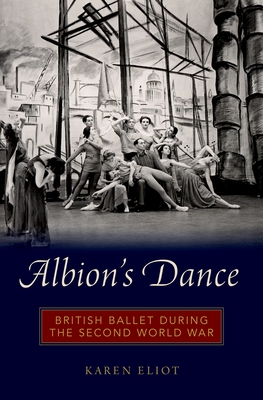
Albion's Dance : British Ballet during the Second World War
by
Karen Eliot
Book Details
Format
Hardback
ISBN-10
019934762X
ISBN-13
9780199347629
Publisher
Oxford University Press Inc
Imprint
Oxford University Press Inc
Country of Manufacture
GB
Country of Publication
GB
Publication Date
Oct 13th, 2016
Print length
238 Pages
Weight
468 grams
Dimensions
24.20 x 16.50 x 2.50 cms
KSh 19,350.00
Currently unavailable
0 in stock
Delivery Location
Delivery fee: Select location
Secure
Quality
Fast
Exploring the ballet boom in Britain during WWII, this book asks how art and artists thrive during conflict. Author Karen Eliot shows how ballet in Britain flourished during war, exhibiting a surprising heterogeneity and vibrant populism. The book focuses especially on the roles of dance critics, male and female dancers, producers, audiences, and choreographers.
When the Second World War broke out, ballet in Britain was only a few decades old. Few had imagined that it would establish roots in a nation long thought to be unresponsive to dance. Nevertheless, the war proved to be a boon for ballet dancers, choreographers and audiences, for the nation''s dancers were forced to look inward to their own identity and sources of creativity. As author Karen Eliot demonstrates in this fascinating book, instead of withering during the enforced isolation of war, ballet in Britain flourished, exhibiting a surprising heterogeneity and vibrant populism that moved ballet outside its typical elitist surroundings to be seen by uninitiated, often enthusiastic audiences. Ballet was thought to help boost audience morale, to render solace to the soul-weary and to afford entertainment and diversion to those who simply craved a few hours of distraction. Government authorities came to see that ballet could serve as a tool of propaganda; the ways it functioned within the larger public discourse of propaganda and sacrifice, and how it answered a public mood of pragmatism and idealism, are also topics in this story of the development of a national ballet identity. This narrative has several key players-- dance critics, male and female dancers, producers, audiences, and choreographers. Exploring the so-called "ballet boom" during WWII, the larger story of this book is one of how art and artists thrive during conflict, and how they respond pragmatically and creatively to privation and duress.
Get Albion's Dance by Karen Eliot at the best price and quality guaranteed only at Werezi Africa's largest book ecommerce store. The book was published by Oxford University Press Inc and it has 238 pages.
Customers Who Bought This Also Bought
The French School of Classical Ballet
KSh 6,700.00
Behind the Scenes at the Ballets Russes
KSh 9,900.00
Classical Ballet Technique
KSh 7,800.00
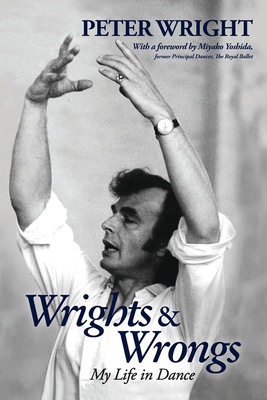
Wrights & Wrongs
KSh 5,100.00
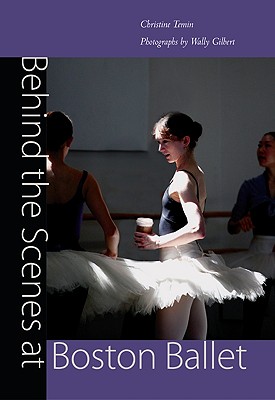
Behind the Scenes at Boston Ballet
KSh 5,550.00

Tomboy Ballerina
KSh 5,500.00

Swan Dive
KSh 3,400.00

Arthur Mitchell
KSh 4,500.00
Teaching Classical Ballet
KSh 4,050.00

Holding On to the Air
KSh 4,450.00
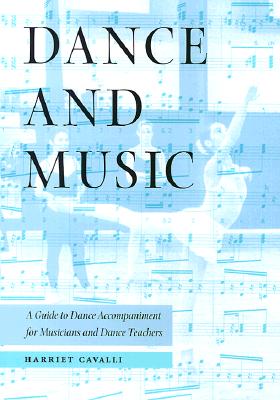
Dance and Music
KSh 6,400.00
By with to and from
KSh 4,700.00


