
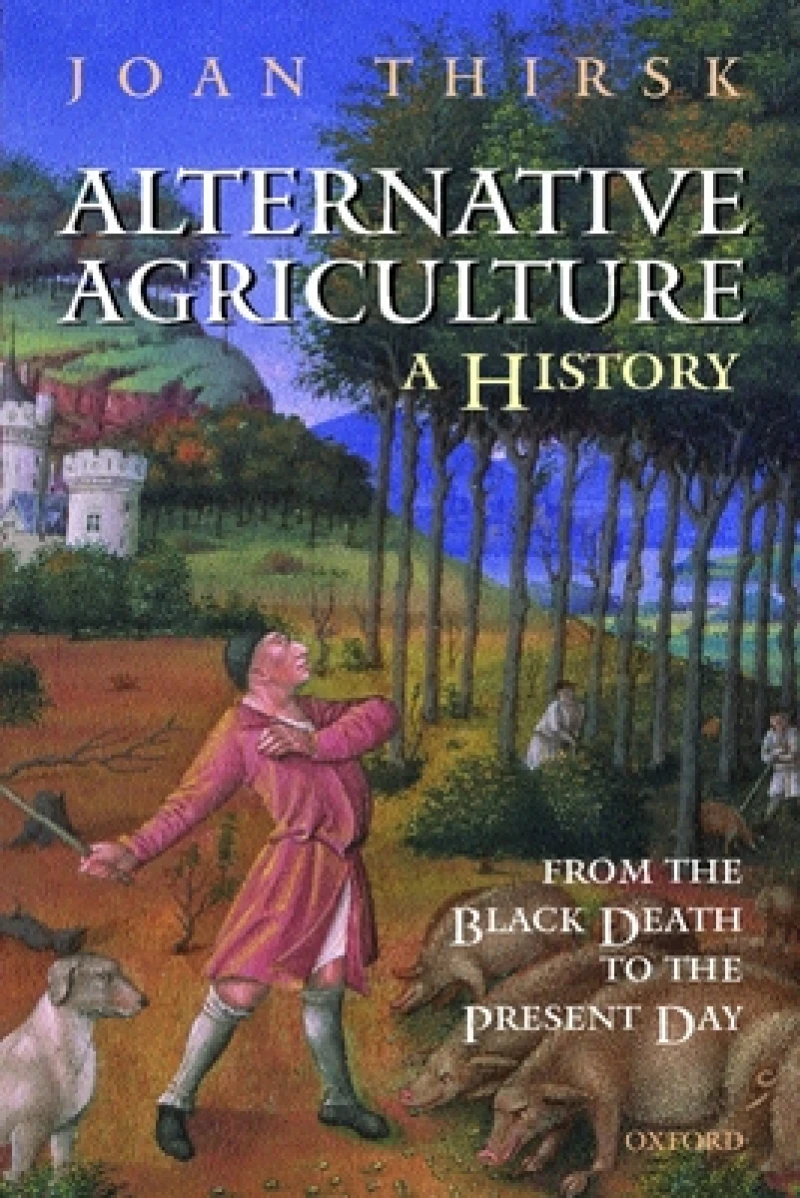
Alternative Agriculture: A History : From the Black Death to the Present Day
by
Joan Thirsk
Book Details
Format
Paperback / Softback
ISBN-10
0198208138
ISBN-13
9780198208136
Publisher
Oxford University Press
Imprint
Oxford University Press
Country of Manufacture
GB
Country of Publication
GB
Publication Date
Mar 2nd, 2000
Print length
384 Pages
Weight
550 grams
Dimensions
23.70 x 16.90 x 2.10 cms
Ksh 14,350.00
Manufactured on Demand
0 in stock
Delivery Location
Delivery fee: Select location
Secure
Quality
Fast
The author reveals how the forces which drive our contemporary interest in alternative forms of agriculture - changing eating habits, the needs of medicine - have parallels with earlier periods of our history. She emphasizes that we can find solutions in the experiences of the past.
People like to believe in a past golden age of traditional English countryside, before large farms, machinery, and the destruction of hedgerows changed the landscape forever. However, that countryside may have looked both more and less familiar than we imagine. Take todays startling yellow fields of rapeseed, seemingly more suited to the landscape of Van Gogh than Constable. They were, in fact, thoroughly familiar to fieldworkers in seventeenth-century England. At the same time, some features that would have gone unremarked in the past now seem like oddities. In the fifteenth century, rabbit warrens were specially guarded to rear rabbits as a luxury food for rich mens tables; whilst houses had moats not only to defend them but to provide a source of fresh fish. In the 1500s we find Catherine of Aragon introducing the concept of a fresh salad to the court of Henry VIII; and in the 1600s, artichoke gardens became a fashion of the gentry in their hope of producing more male heirs. The common tomato, suspected of being poisonous in 1837, was transformed into a household vegetable by the end of the nineteenth century, thanks to cheaper glass-making methods and the resulting increase in glasshouses. In addition to these images of past lives, Joan Thirsk reveals how the forces which drive our current interest in alternative forms of agriculture a glut of meat and cereal crops, changing dietary habits, the needs of medicine have striking parallels with earlier periods in our history. She warns us that todays decisions should not be made in a historical vacuum: we can find solutions to our current problems in the experience of people in the past.
Get Alternative Agriculture: A History by at the best price and quality guaranteed only at Werezi Africa's largest book ecommerce store. The book was published by Oxford University Press and it has pages.

