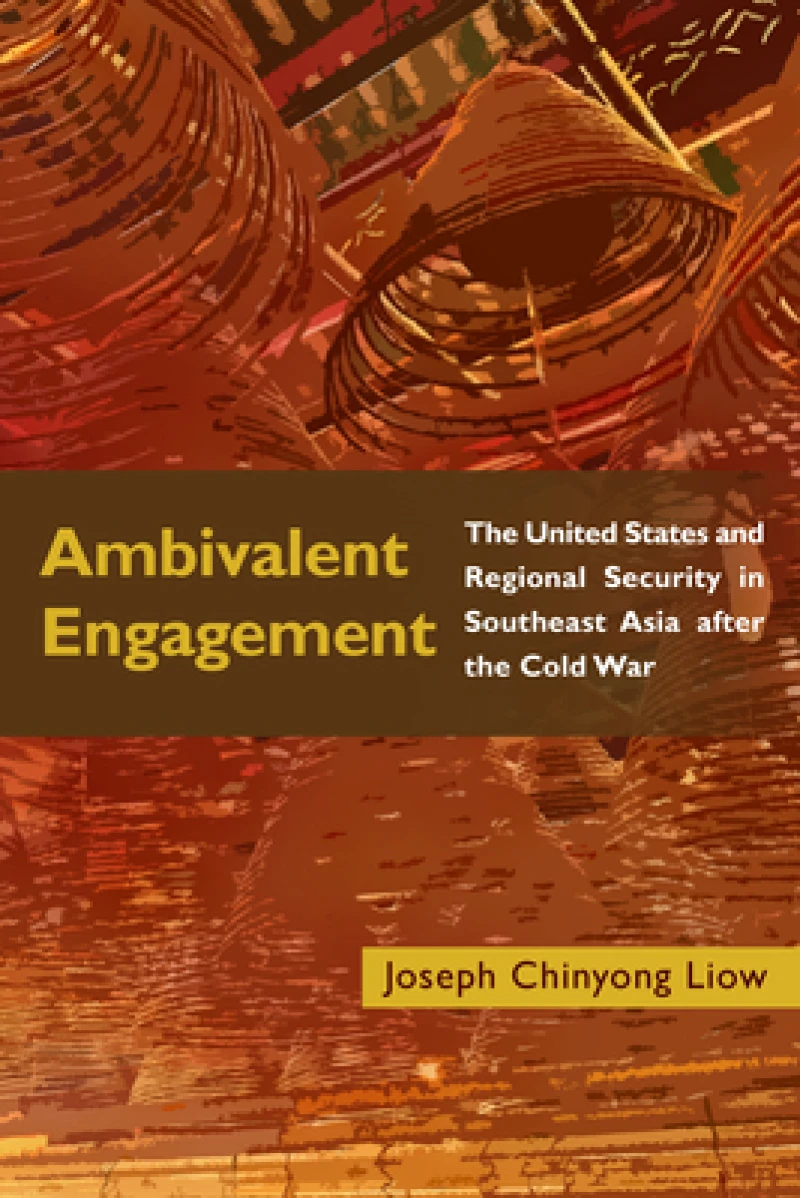
The paradox of U.S. involvement in Southeast AsiaThe Obama administration's pivot-to-Asia policy implies an important place for Southeast Asia in U.S. foreign policy. But Washington's attention to the region has fluctuated dramatically, from intense intervention of the cold war era to near neglect in more recent years. As a consequence, countries in Southeast Asia worry that the United States once again will become distracted by other problems and disengage from the region. This book by an astute observer of the region and U.S. policy casts light in the sources of these anxieties. A main consideration is that it still is not clear how Southeast Asia fits into U.S. strategy for Asia and the broader world. Is the region central to U.S. policymaking, or an afterthought?Moreover, domestic considerations, both in the United States and in the region, often contrive to obstruct foreign policy decision-making, in the process frustrating mutual engagement in the post-cold war era. Cooperation among states within the region also is uncertain, at best. Ambivalent Engagement highlights a paradox that is becoming increasingly conspicuous and problematic. Southeast Asia continues to rely on the United States playing an active role despite it being an external power. But the states in the region have very different views about precisely what role the United States should play. The consequences of this paradox will grow in importance with the expanding role of yet another outside power, China.
The paradox of U.S. involvement in Southeast Asia
The Obama administration’s pivot-to-Asia policy establishes an important place for Southeast Asia in U.S. foreign policy. But Washington’s attention to the region has fluctuated dramatically, from the intense intervention of the cold war era to near neglect in more recent years. As a consequence, countries in Southeast Asia worry that the United States once again will become distracted by other problems and disengage from the region.
This book written by an astute observer of the region and U.S. policy casts light on the sources of these anxieties. A main consideration is that it still is not clear how Southeast Asia fits into U.S. strategy for Asia and the broader world. Is the region central to U.S. policymaking, or an afterthought?
Ambivalent Engagement highlights a dilemma that is becoming increasingly conspicuous and problematic. Southeast Asia continues to rely on the United States to play an active role in the region even though it is an external power. But the countries of Southeast Asia have very different views about precisely what role the United States should play. The consequences of this ambivalence will grow in importance with the expanding role of yet another outside power, China.
The paradox of U.S. involvement in Southeast AsiaThe Obama administration's pivot-to-Asia policy implies an important place for Southeast Asia in U.S. foreign policy. But Washington's attention to the region has fluctuated dramatically, from intense intervention of the cold war era to near neglect in more recent years. As a consequence, countries in Southeast Asia worry that the United States once again will become distracted by other problems and disengage from the region. This book by an astute observer of the region and U.S. policy casts light in the sources of these anxieties. A main consideration is that it still is not clear how Southeast Asia fits into U.S. strategy for Asia and the broader world. Is the region central to U.S. policymaking, or an afterthought?Moreover, domestic considerations, both in the United States and in the region, often contrive to obstruct foreign policy decision-making, in the process frustrating mutual engagement in the post-cold war era. Cooperation among states within the region also is uncertain, at best. Ambivalent Engagement highlights a paradox that is becoming increasingly conspicuous and problematic. Southeast Asia continues to rely on the United States playing an active role despite it being an external power. But the states in the region have very different views about precisely what role the United States should play. The consequences of this paradox will grow in importance with the expanding role of yet another outside power, China.
Get Ambivalent Engagement by at the best price and quality guaranteed only at Werezi Africa's largest book ecommerce store. The book was published by Bloomsbury Publishing Plc and it has pages.
Our digital collection is currently being curated to ensure the best possible reading experience on Werezi. We'll be launching our Ebooks platform shortly.