
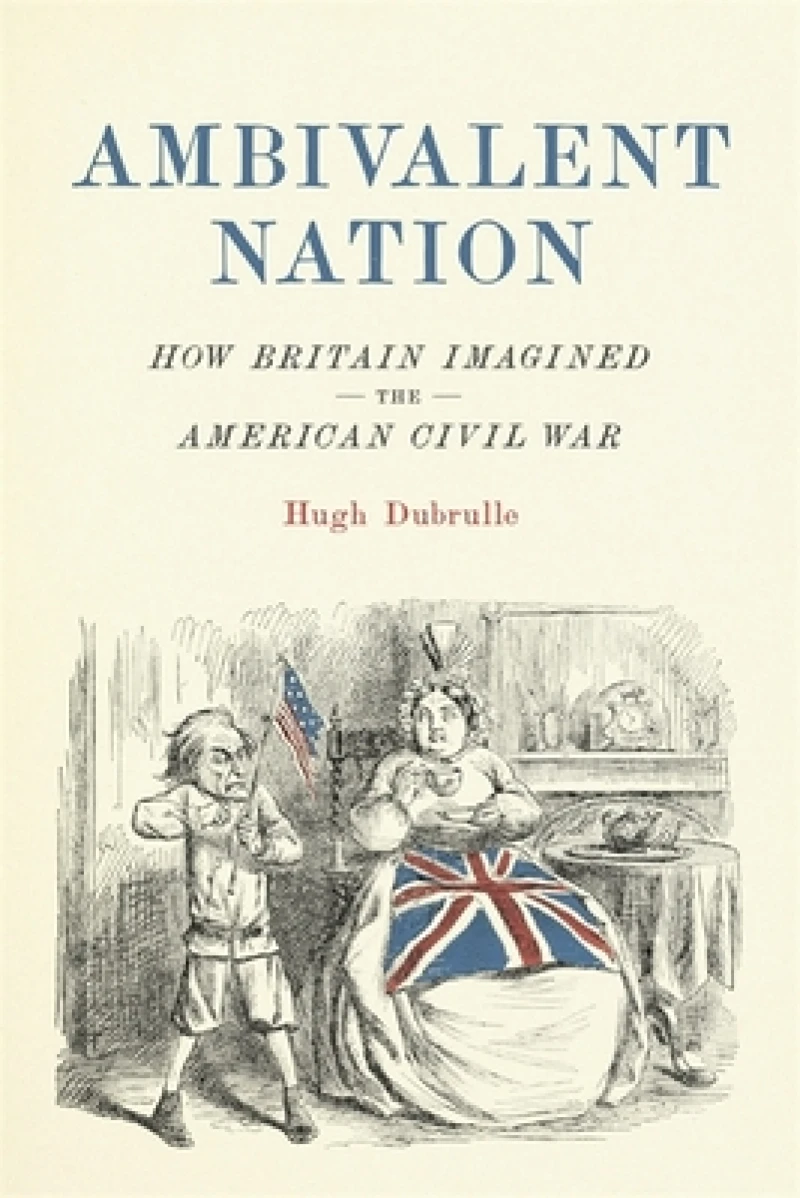
Ambivalent Nation : How Britain Imagined the American Civil War
Book Details
Format
Hardback or Cased Book
ISBN-10
0807168807
ISBN-13
9780807168806
Publisher
Louisiana State University Press
Imprint
Louisiana State University Press
Country of Manufacture
US
Country of Publication
GB
Publication Date
Jun 11th, 2018
Print length
352 Pages
Weight
612 grams
Dimensions
16.20 x 23.60 x 2.90 cms
Ksh 7,550.00
Temporarily out of stock, due soon
0 in stock
Delivery Location
Delivery fee: Select location
Secure
Quality
Fast
Explores how Britons envisioned the American Civil War and how these conceptions influenced their discussions about race, politics, society, military affairs, and nationalism. Contributing new research that expands upon previous scholarship, Dubrulle offers a methodical dissection of the ideological forces that shaped opinion.
In Ambivalent Nation, Hugh Dubrulle explores how Britons envisioned the American Civil War and how these conceptions influenced their discussions about race, politics, society, military affairs, and nationalism. Contributing new research that expands upon previous scholarship focused on establishing British public opinion toward the war, Dubrulle offers a methodical dissection of the ideological forces that shaped that opinion, many of which arose from the complex Anglo-American postcolonial relationship.
Britain's lingering feeling of ownership over its former colony contributed heavily to its discussions of the American Civil War. Because Britain continued to have a substantial material interest in the United States, its writers maintained a position of superiority and authority in respect to American affairs. British commentators tended to see the United States as divided by two distinct civilisations, even before the onset of war: a Yankee bourgeois democracy and a southern oligarchy supported by slavery. They invariably articulated mixed feelings toward both sections, and shortly before the Civil War, the expression of these feelings was magnified by the sudden emergence of inexpensive newspapers, periodicals, and books. The conflicted nature of British attitudes toward the United States during the antebellum years anticipates the ambivalence with which the British reacted to the American crisis in 1861. Britons used prewar stereotypes of northerners and southerners to help explain the course and significance of the conflict. Seen in this fashion, the war seemed particularly relevant to a number of questions that occupied British conversations during this period: the characteristics and capacities of people of African descent, the proper role of democracy in society and politics, the future of armed conflict, and the composition of a durable nation. These questions helped shape Britain's stance toward the war and, in turn, the war informed British attitudes on these subjects.
Dubrulle draws from numerous primary sources to explore the rhetoric and beliefs of British public figures during these years, including government papers, manuscripts from press archives, private correspondence, and samplings from a variety of dailies, weeklies, monthlies, and quarterlies. The first book to examine closely the forces that shaped British public opinion about the Civil War, Ambivalent Nation contextualises and expands our understanding of British attitudes during this tumultuous period.
Britain's lingering feeling of ownership over its former colony contributed heavily to its discussions of the American Civil War. Because Britain continued to have a substantial material interest in the United States, its writers maintained a position of superiority and authority in respect to American affairs. British commentators tended to see the United States as divided by two distinct civilisations, even before the onset of war: a Yankee bourgeois democracy and a southern oligarchy supported by slavery. They invariably articulated mixed feelings toward both sections, and shortly before the Civil War, the expression of these feelings was magnified by the sudden emergence of inexpensive newspapers, periodicals, and books. The conflicted nature of British attitudes toward the United States during the antebellum years anticipates the ambivalence with which the British reacted to the American crisis in 1861. Britons used prewar stereotypes of northerners and southerners to help explain the course and significance of the conflict. Seen in this fashion, the war seemed particularly relevant to a number of questions that occupied British conversations during this period: the characteristics and capacities of people of African descent, the proper role of democracy in society and politics, the future of armed conflict, and the composition of a durable nation. These questions helped shape Britain's stance toward the war and, in turn, the war informed British attitudes on these subjects.
Dubrulle draws from numerous primary sources to explore the rhetoric and beliefs of British public figures during these years, including government papers, manuscripts from press archives, private correspondence, and samplings from a variety of dailies, weeklies, monthlies, and quarterlies. The first book to examine closely the forces that shaped British public opinion about the Civil War, Ambivalent Nation contextualises and expands our understanding of British attitudes during this tumultuous period.
Get Ambivalent Nation by at the best price and quality guaranteed only at Werezi Africa's largest book ecommerce store. The book was published by Louisiana State University Press and it has pages.

