
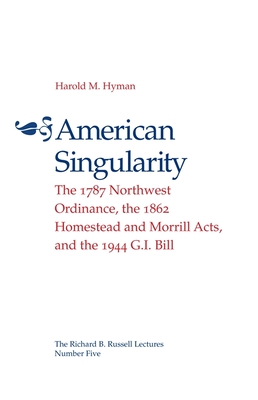
American Singularity : The 1787 Northwest Ordinance, The 1862 Homestead And Morrill Acts, and the 1944 G.I. Bill
Book Details
Format
Paperback / softback
Book Series
The Richard B. Russell Lecture
ISBN-10
0820332968
ISBN-13
9780820332963
Publisher
University of Georgia Press
Imprint
University of Georgia Press
Country of Manufacture
US
Country of Publication
GB
Publication Date
Aug 1st, 2008
Print length
112 Pages
Weight
454 grams
Dimensions
21.60 x 14.00 x 0.70 cms
Product Classification:
Laws of Specific jurisdictionsLaws of specific jurisdictions and specific areas of law
KSh 4,800.00
Currently unavailable
0 in stock
Delivery Location
Delivery fee: Select location
Secure
Quality
Fast
Examining the legislation that emerged from three periods of conflict in American history, Hyman reveals a consistent pattern favoring equal access to land, education, and law—a progression of singular, if sometimes flawed, attempts to embody in our statutes the values and aspirations that sparked our major wars.
Since the first shots rang out at Lexington and Concord, signaling the beginning of open war between the colonies and England, America has been credited with a singular conviction, a concern for military veterans' and others' economic and political rights. The idea of America as a promised land of economic opportunity, social mobility, and political freedom has not always flourished. Historians have both given it reality and shaken its substance as they exposed an undercurrent of greed, class conflict, and corruption. In this book Harold Hyman explores the question of American singularity, using the Northwest Ordinance, the Homestead and Morrill acts, and the G.I Bill to measure individual access to land, education, and law. The Northwest Ordinance, enacted in 1787 to encourage settlement of the nation's untamed territories, mandated the establishment of public schools and stable property rights in newly settled lands--specific terms which enshrined the basic liberties secured by the Revolutionary War. Hyman shows that through the Homestead and Morrill acts of 1862, legislators sought to preserve the values of the Union and to prepare for the entrance of the black man into citizenship. Equal access to public lands in the West and to state land-grant universities, countered the economic and social injustices blacks and poor whites would face after the Civil War. Finally, Hyman asserts that the G.I. Bill preserved beneficial social programs forged during the depression, carrying into post-World War II America a widespread concern for education and housing opportunities. Examining the legislation that emerged from three periods of conflict in American history, Hyman reveals a consistent pattern favoring equal access to land, education, and law--a progression of singular, if sometimes flawed, attempts to embody in our statutes the values and aspirations that sparked our major wars.
Get American Singularity by Harold M. Hyman at the best price and quality guaranteed only at Werezi Africa's largest book ecommerce store. The book was published by University of Georgia Press and it has 112 pages.
Customers Who Bought This Also Bought

Bad Laws
KSh 3,200.00
The Spirit of Japanese Law
KSh 6,000.00
Americanization of the Common Law
KSh 6,200.00
The Limits of the Rule of Law in China
KSh 7,850.00
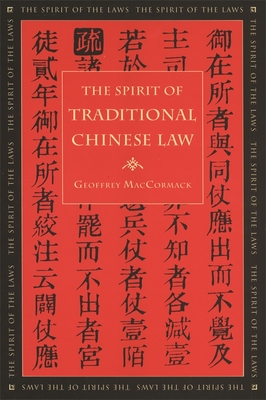
The Spirit of Traditional Chinese Law
KSh 11,500.00
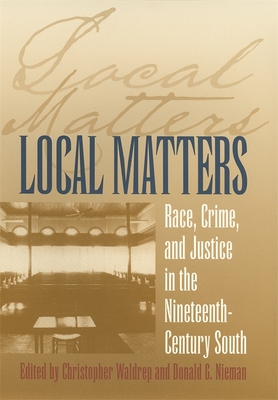
Local Matters – Race, Crime, and Justice in the Nineteenth–Century South
KSh 6,000.00

Force Majeure and Frustration of Contact
KSh 37,800.00
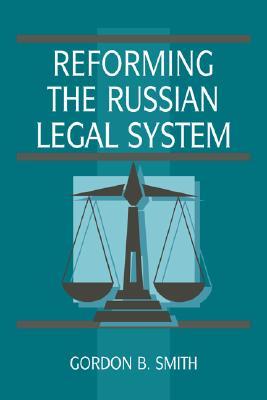
Reforming the Russian Legal System
KSh 17,100.00
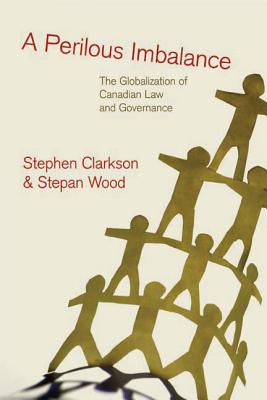
A Perilous Imbalance
KSh 5,200.00
Law and Risk
KSh 5,200.00
The European Parliament as an Accountability Forum
KSh 19,600.00
Family Law
KSh 1,800.00


