
Book Details
Format
Paperback / Softback
ISBN-10
0870335960
ISBN-13
9780870335969
Edition
2nd Edition
Publisher
Schiffer Publishing Ltd
Imprint
Schiffer Publishing Ltd
Country of Manufacture
US
Country of Publication
GB
Publication Date
Jun 30th, 2009
Print length
292 Pages
Weight
376 grams
Dimensions
18.70 x 11.50 x 1.80 cms
Product Classification:
Wildlife: reptiles & amphibians
Ksh 2,500.00
Temporarily out of stock, due soon
0 in stock
Delivery Location
Delivery fee: Select location
Secure
Quality
Fast
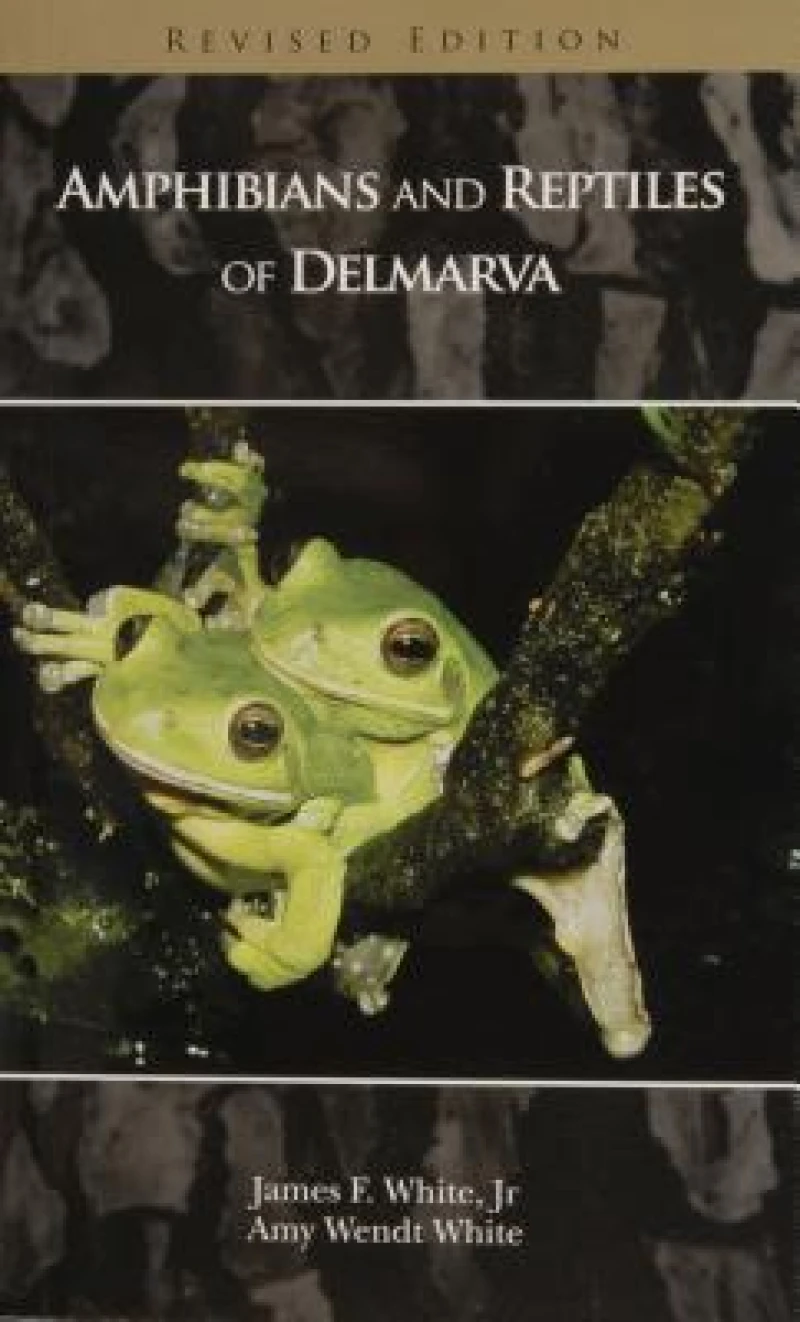
A look at the the 70+ highly diverse species of amphibians and reptiles of the Delmarva peninsula that divides north and south geographic sections of the Atlantic coast. Because of its geographic position and its geologic past, the Delmarva Peninsula is a transition zone between the northern and southern sections of the Atlantic Coast of North America. The north-south influences result in a high diversity of species of plants and animals, including amphibians and reptiles. Delmarva's amphibians and reptiles are overlooked by the vast majority of people living in the area. Many have never heard a northern spring peeper call or seen a salamander, even though a breeding chorus of peepers is common in the spring and salamanders are residents of most woodlands in Delmarva. Misconceptions also abound. For example, people sometimes think they have seen "cottonmouths" (water moccasins) on Delmarva, though this venomous species is not known to occur north of the mouth of the Chesapeake Bay. Other common fallacies are the belief that snakes are slimy or that handling a toad can cause warts. This updated field guide to amphibians and reptiles of Delmarva will be useful to everyone interested in these fascinating creatures—from the curious child who brings home a salamander, to students, experienced naturalists, and professionals in need of life history, behavioral, and distributional information on Delmarva's amphibians (salamanders and frogs) and reptiles (turtles, lizards, and snakes). Seventy-three species are included in this second edition—seventy known to occur on Delmarva and three that the authors believe either occur there or once did. Outstanding color plates aid in identifying the species.
A look at the the 70+ highly diverse species of amphibians and reptiles of the Delmarva peninsula that divides north and south geographic sections of the Atlantic coast.
Because of its geographic position and its geologic past, the Delmarva Peninsula is a transition zone between the northern and southern sections of the Atlantic Coast of North America. The north-south influences result in a high diversity of species of plants and animals, including amphibians and reptiles. Delmarva''s amphibians and reptiles are overlooked by the vast majority of people living in the area.
Many have never heard a northern spring peeper call or seen a salamander, even though a breeding chorus of peepers is common in the spring and salamanders are residents of most woodlands in Delmarva. Misconceptions also abound. For example, people sometimes think they have seen "cottonmouths" (water moccasins) on Delmarva, though this venomous species is not known to occur north of the mouth of the Chesapeake Bay. Other common fallacies are the belief that snakes are slimy or that handling a toad can cause warts.
This updated field guide to amphibians and reptiles of Delmarva will be useful to everyone interested in these fascinating creatures—from the curious child who brings home a salamander, to students, experienced naturalists, and professionals in need of life history, behavioral, and distributional information on Delmarva''s amphibians (salamanders and frogs) and reptiles (turtles, lizards, and snakes).
Seventy-three species are included in this second edition—seventy known to occur on Delmarva and three that the authors believe either occur there or once did. Outstanding color plates aid in identifying the species.
Because of its geographic position and its geologic past, the Delmarva Peninsula is a transition zone between the northern and southern sections of the Atlantic Coast of North America. The north-south influences result in a high diversity of species of plants and animals, including amphibians and reptiles. Delmarva''s amphibians and reptiles are overlooked by the vast majority of people living in the area.
Many have never heard a northern spring peeper call or seen a salamander, even though a breeding chorus of peepers is common in the spring and salamanders are residents of most woodlands in Delmarva. Misconceptions also abound. For example, people sometimes think they have seen "cottonmouths" (water moccasins) on Delmarva, though this venomous species is not known to occur north of the mouth of the Chesapeake Bay. Other common fallacies are the belief that snakes are slimy or that handling a toad can cause warts.
This updated field guide to amphibians and reptiles of Delmarva will be useful to everyone interested in these fascinating creatures—from the curious child who brings home a salamander, to students, experienced naturalists, and professionals in need of life history, behavioral, and distributional information on Delmarva''s amphibians (salamanders and frogs) and reptiles (turtles, lizards, and snakes).
Seventy-three species are included in this second edition—seventy known to occur on Delmarva and three that the authors believe either occur there or once did. Outstanding color plates aid in identifying the species.
Get Amphibians and Reptiles of Delmarva by at the best price and quality guaranteed only at Werezi Africa's largest book ecommerce store. The book was published by Schiffer Publishing Ltd and it has pages.

