
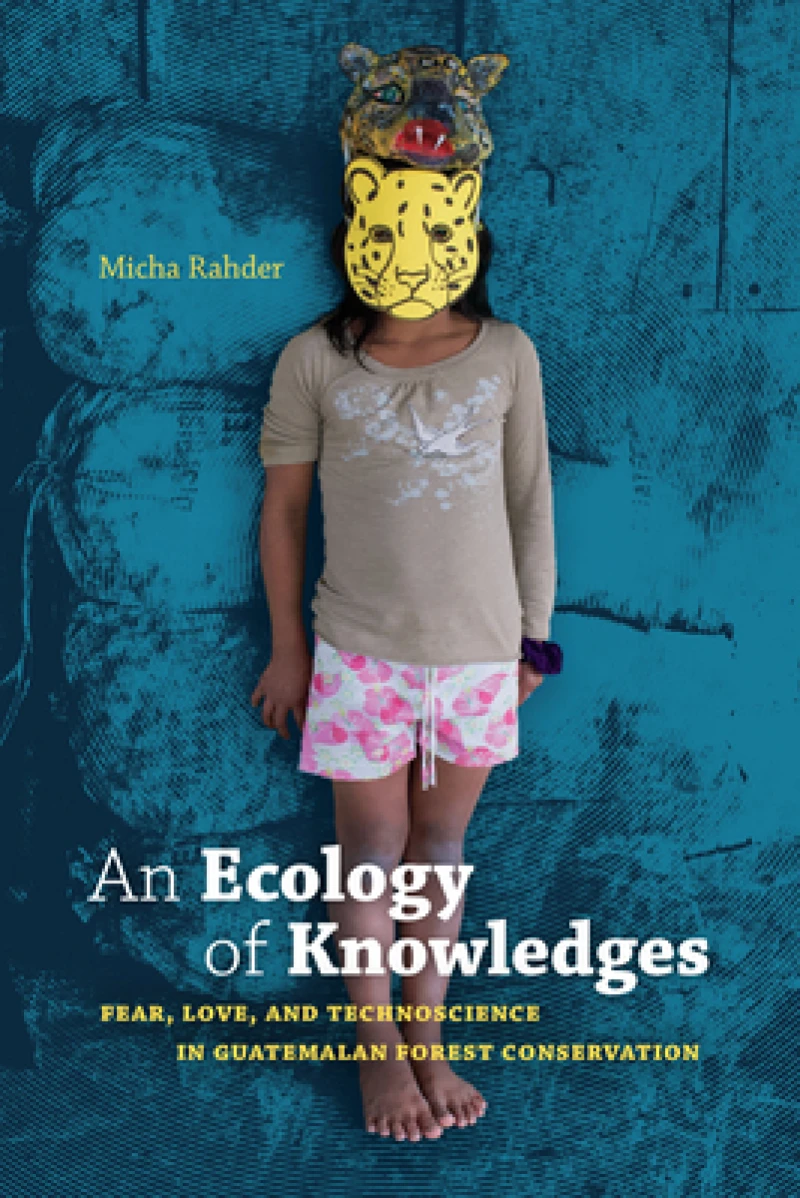
An Ecology of Knowledges : Fear, Love, and Technoscience in Guatemalan Forest Conservation
by
Micha Rahder
Book Details
Format
Paperback / Softback
Book Series
Experimental Futures
ISBN-10
1478006919
ISBN-13
9781478006916
Publisher
Duke University Press
Imprint
Duke University Press
Country of Manufacture
US
Country of Publication
GB
Publication Date
May 21st, 2020
Print length
336 Pages
Weight
496 grams
Dimensions
15.30 x 22.80 x 3.20 cms
Ksh 5,050.00
Werezi Extended Catalogue
Delivery in 14 days
1 copies in stock
Delivery Location
Delivery fee: Select location
Delivery in 14 days
Secure
Quality
Fast
Guatemala''s Maya Biosphere Reserve (MBR), the largest protected area in Central America, is characterized by rampant violence, social and ethnic inequality, and rapid deforestation. Faced with these threats, local residents, conservationists, scientists, and NGOs in the region work within what Micha Rahder calls “an ecology of knowledges,” in which interventions on the MBR landscape are tied to differing and sometimes competing forms of knowing. In this book, Rahder examines how technoscience, endemic violence, and an embodied love of wild species and places shape conservation practices in Guatemala. Rahder highlights how different forms of environmental knowledge emerge from encounters and relations between humans and nonhumans, institutions and local actors, and how situated ways of knowing impact conservation practices and natural places, often in unexpected and unintended ways. In so doing, she opens up new ways of thinking about the complexities of environmental knowledge and conservation in the context of instability, inequality, and violence around the world.
Get An Ecology of Knowledges by at the best price and quality guaranteed only at Werezi Africa's largest book ecommerce store. The book was published by Duke University Press and it has pages.

