

Analysing for Authorship : A Guide to the Cusum Technique
Book Details
Format
Hardback
ISBN-10
0708313248
ISBN-13
9780708313244
Publisher
University of Wales Press
Imprint
University of Wales Press
Country of Manufacture
GB
Country of Publication
GB
Publication Date
Jun 20th, 1996
Print length
356 Pages
Weight
712 grams
Dimensions
23.80 x 16.10 x 2.40 cms
Product Classification:
linguisticsLiterary studies: generalLegal system: generalIntellectual property law
KSh 4,600.00
Re-Printing
0 in stock
Delivery Location
Delivery fee: Select location
Secure
Quality
Fast
The need to attribute disputed utterance constantly arises, whether as a matter of legal urgency or the focus of scholarly debate. This work provides a guide to Andrew Q. Morton's cumulative sum technique for authorship attribution (Cusum or QSUM, as the analytic procedure is now known).
Analysing for Authorship is the first book to provide a clear and comprehensive guide to cusum technique, a scientific method for the attribution of utterance.
Attributing authorship is often a matter of legal urgency or fierce scholarly debate. Did Derek Bentley really make that confession? Was that story just discovered really by D. H. Lawrence? The cusum (cumulative sum) technique (or QSUM), developed in 1988 by Andrew Q. Morton, is a recognition system applied to human utterance, whether written or spoken, based on analysing sequences of language units by a cumulative sum method of counting. Each person''s QSUM ''fingerprint'' retains consistency across his or her written and spoken utterance and across different genres.
Problems addressed and illustrated in this book include the application of QSUM in legal and forensic cases (contested confessions and statements, anonymous letters); in proving or disproving plagiarism; in identifying edited or translated text; in the analysis of authorship of disputed literary and theological texts. Jill Farringdon demonstrates the consistency of the QSUM fingerprint over time - for literary subjects and in the early utterance of children combined with their adult utterance. She also examines QSUM application to dialect and non-standard English.
Attributing authorship is often a matter of legal urgency or fierce scholarly debate. Did Derek Bentley really make that confession? Was that story just discovered really by D. H. Lawrence? The cusum (cumulative sum) technique (or QSUM), developed in 1988 by Andrew Q. Morton, is a recognition system applied to human utterance, whether written or spoken, based on analysing sequences of language units by a cumulative sum method of counting. Each person''s QSUM ''fingerprint'' retains consistency across his or her written and spoken utterance and across different genres.
Problems addressed and illustrated in this book include the application of QSUM in legal and forensic cases (contested confessions and statements, anonymous letters); in proving or disproving plagiarism; in identifying edited or translated text; in the analysis of authorship of disputed literary and theological texts. Jill Farringdon demonstrates the consistency of the QSUM fingerprint over time - for literary subjects and in the early utterance of children combined with their adult utterance. She also examines QSUM application to dialect and non-standard English.
Get Analysing for Authorship by Jill M. Farringdon at the best price and quality guaranteed only at Werezi Africa's largest book ecommerce store. The book was published by University of Wales Press and it has 356 pages.
Customers Who Bought This Also Bought

Creativity in the English Curriculum
KSh 5,650.00
Du contrat social, ou principes du droit politique.
KSh 4,850.00

Réflexions sur L''étude des Langues Asiatiques, Adressées à Sir James Mackintosh, Suivies D''une Lettr
KSh 2,550.00
Readings in Linguistics I & II
KSh 7,700.00
Analysing Sentences
KSh 7,400.00
For Whom Do I Toil?
KSh 21,350.00
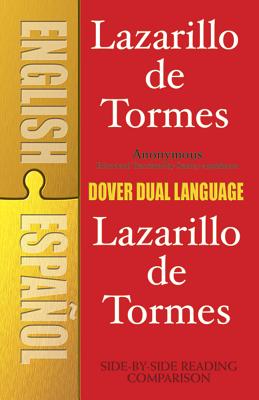
Lazarillo De Tormes
KSh 1,800.00
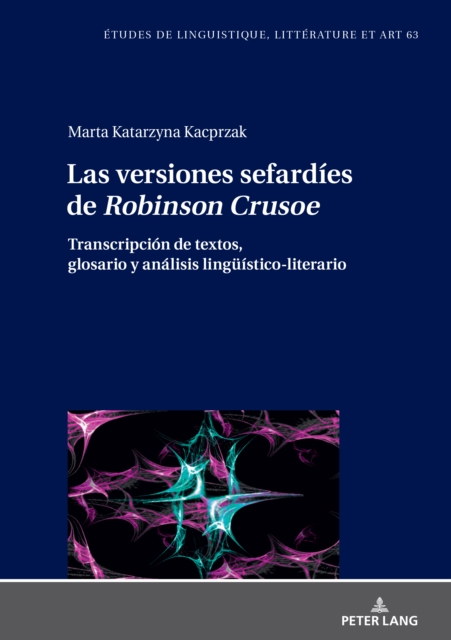
Las versiones sefardíes de Robinson Crusoe
KSh 6,850.00
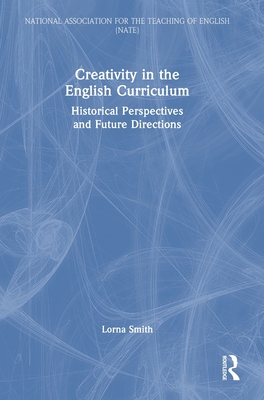
Creativity in the English Curriculum
KSh 30,950.00

English Language Teaching
KSh 30,950.00

Katzen und Kinder: Koprasente Phanomene in virtuellen Meetings
KSh 16,400.00
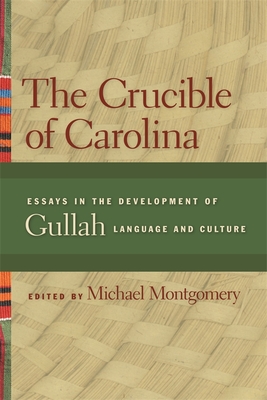
The Crucible of Carolina
KSh 17,000.00
More in This Genre
Creativity in the English Curriculum
KSh 5,650.00
Du contrat social, ou principes du droit politique.
KSh 4,850.00
Réflexions sur L''étude des Langues Asiatiques, Adressées à Sir James Mackintosh, Suivies D''une Lettr
KSh 2,550.00
Readings in Linguistics I & II
KSh 7,700.00
Analysing Sentences
KSh 7,400.00
For Whom Do I Toil?
KSh 21,350.00
