

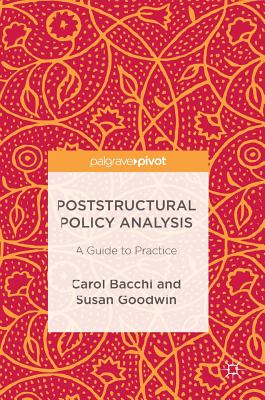
Analysing Policy : What's the problem represented to be?
Book Details
Delivery Location
Delivery fee: Select location
Delivery in 12 days
A novel approach to thinking about public policy and a distinctive methodology for analysing policy
It introduces a set of six questions that probe how ''problems'' are represented in policies, followed by an injunction to apply the questions to one''s own policy proposals. This form of analysis, it suggests, is crucial to understanding how policy works, how we are governed, and how the practice of policy-making implicitly constitutes us as subjects.
The book mounts a challenge to the problem-solving paradigm currently dominating the intellectual and policy landscape, a paradigm manifest in ''evidence-based policy''. Arguing that such a paradigm denies the shaping that goes on in the process of problematisation, it offers a ''what''s the problem represented to be?'' approach to policy analysis as a counter-discourse. In this view critical thinking involves putting ''problems'' into question rather than learning how to ''solve'' them.
Bacchi''s approach to policy analysis offers exciting insights in a wide array of policy areas, including welfare, drugs/alcohol and gambling, criminal justice, health, education, immigration and population, media and research policy. Invaluable to those involved in policy studies and public administration, it will also appeal to students and academics in sociology, social work, anthropology, cultural studies and human geography.
Student resources:
Get Analysing Policy by Carol Bacchi at the best price and quality guaranteed only at Werezi Africa's largest book ecommerce store. The book was published by Pearson Education Limited and it has 319 pages.
Customers Who Bought This Also Bought

We Are Not Able to Live in the Sky
KSh 3,400.00
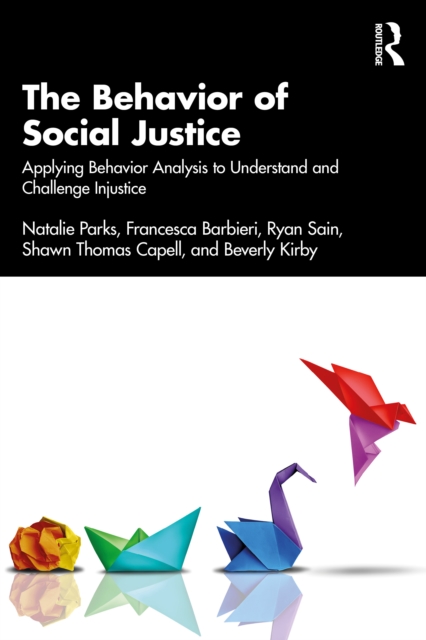
The Behavior of Social Justice
KSh 11,250.00

Parental Vigilant Care
KSh 5,400.00

Sense and Sensibility in Social Work with Families and Children European Perspectives on Developments in Child Protection and Welfare
KSh 15,300.00

In Black and White
KSh 6,650.00

Youth Entrepreneurship and Sustainability in Kenya’s Blue-Green Economy
KSh 30,950.00

Police Social Work
KSh 30,950.00

Race, Culture, and Mental Health
KSh 4,500.00

Introducing Health and Social Care
KSh 30,950.00

Introducing Health and Social Care
KSh 7,900.00

Race, Culture, and Mental Health
KSh 9,900.00

Singing to the Dead – A Missioner`s Life among Refugees from Burma
KSh 5,100.00



More in This Genre
We Are Not Able to Live in the Sky
KSh 3,400.00
The Behavior of Social Justice
KSh 11,250.00
Parental Vigilant Care
KSh 5,400.00
Sense and Sensibility in Social Work with Families and Children European Perspectives on Developments in Child Protection and Welfare
KSh 15,300.00
In Black and White
KSh 6,650.00
Youth Entrepreneurship and Sustainability in Kenya’s Blue-Green Economy
KSh 30,950.00
