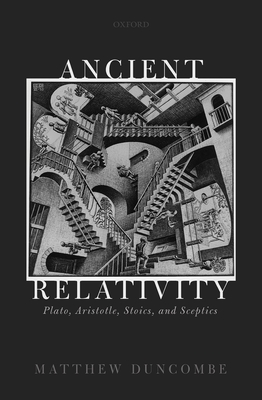
Ancient Relativity : Plato, Aristotle, Stoics, and Sceptics
Book Details
Format
Hardback
ISBN-10
0198846185
ISBN-13
9780198846185
Publisher
Oxford University Press
Imprint
Oxford University Press
Country of Manufacture
GB
Country of Publication
GB
Publication Date
Feb 20th, 2020
Print length
306 Pages
Weight
598 grams
Dimensions
24.10 x 16.30 x 2.00 cms
KSh 18,350.00
Temporarily out of stock, due soon
0 in stock
Delivery Location
Delivery fee: Select location
Secure
Quality
Fast
This book explores how ancient philosophers, particularly Plato, Aristotle, the Stoics, and Sextus Empiricus, understood relativity and how their theories of the phenomenon affected, and were affected by, their broader philosophical outlooks.
Ideas about relativity underlie much ancient Greek philosophy, from Protagorean relativism, to Plato''s theory of Forms, Aristotle''s category scheme, and relational logic. In Ancient Relativity Matthew Duncombe explores how ancient philosophers, particularly Plato, Aristotle, the Stoics, and Sextus Empiricus, understood the phenomenon and how their theories of relativity affected, and were affected by, their broader philosophical outlooks. He argues that ancient philosophers shared a close-knit family of views referred to as ''constitutive relativity'', whereby a relative is not simply linked by a relation but is constituted by it. Plato exploits this view in some key arguments concerning the Forms and the partition of the soul. Aristotle adopts the constitutive view in his discussions of relativity in Categories 7 and the Topics and retains it in Metaphysics Delta 15. Duncombe goes on to examine the role relativity plays in Stoic philosophy, especially Stoic physics and metaphysics, and the way Sextus Empiricus thinks about relativity, which does not appeal to the nature of relatives but rather to how we conceive of things as correlative.
Get Ancient Relativity by Matthew Duncombe at the best price and quality guaranteed only at Werezi Africa's largest book ecommerce store. The book was published by Oxford University Press and it has 306 pages.
Customers Who Bought This Also Bought
Agricola and the Germania
KSh 2,350.00

The History of the Kings of Britain
KSh 2,350.00
The History of the Peloponnesian War
KSh 2,700.00
Greek Lives
KSh 2,150.00
How to Be a Leader – An Ancient Guide to Wise Leadership
KSh 2,800.00
The Storm Before the Storm
KSh 3,050.00
Servus
KSh 4,500.00
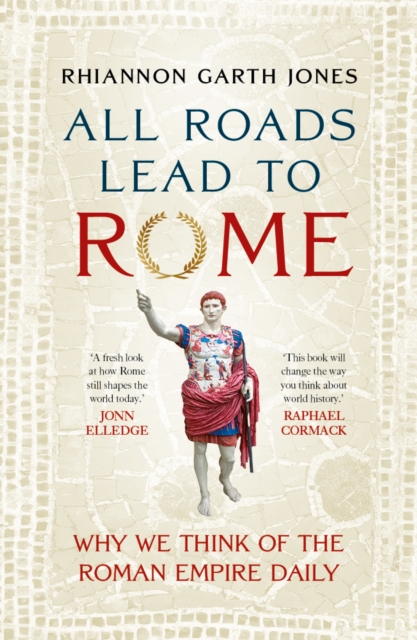
All Roads Lead to Rome
KSh 2,000.00
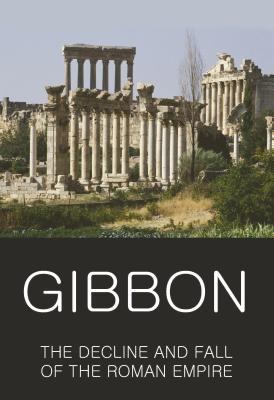
Decline and Fall of the Roman Empire
KSh 1,900.00
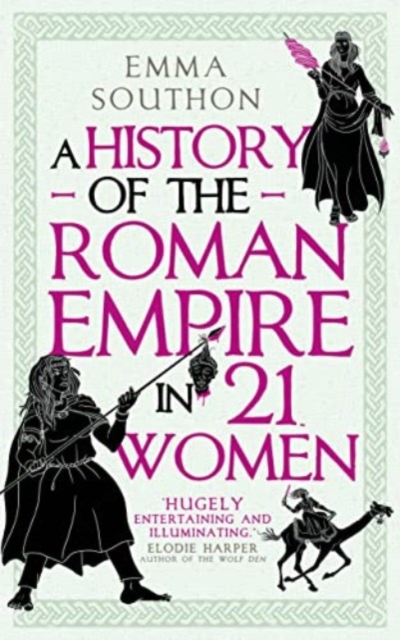
A History of the Roman Empire in 21 Women
KSh 2,150.00
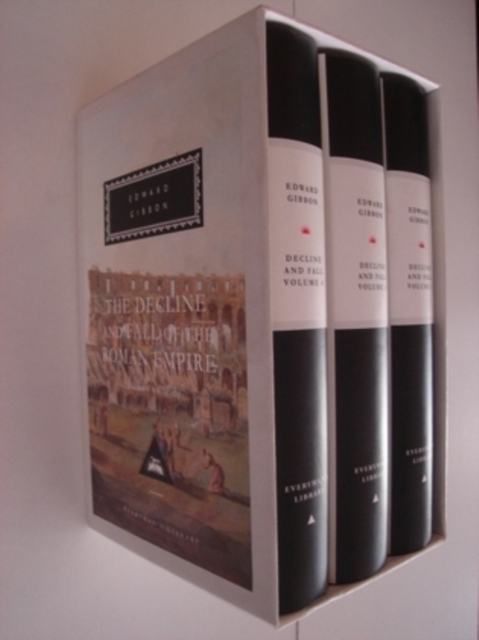
Decline and Fall of the Roman Empire: Vols 4-6
KSh 10,850.00
The History of the Decline and Fall of the Roman Empire
KSh 4,500.00