
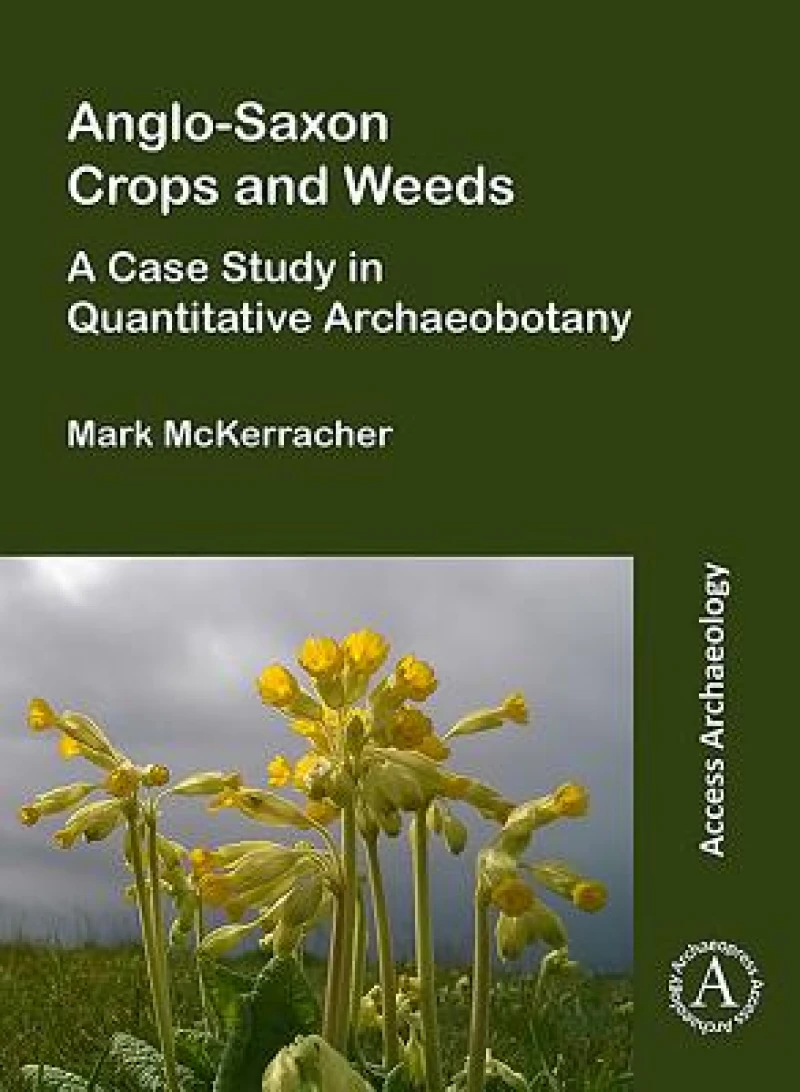
Anglo-Saxon Crops and Weeds: A Case Study in Quantitative Archaeobotany
Book Details
Format
Paperback / Softback
ISBN-10
1789691923
ISBN-13
9781789691924
Publisher
Archaeopress
Imprint
Archaeopress
Country of Manufacture
GB
Country of Publication
GB
Publication Date
Apr 30th, 2019
Print length
218 Pages
Weight
664 grams
Dimensions
20.10 x 27.60 x 1.30 cms
Product Classification:
Medieval European archaeology
Ksh 6,800.00
Werezi Extended Catalogue
Delivery in 14 days
1 copies in stock
Delivery Location
Delivery fee: Select location
Delivery in 14 days
Secure
Quality
Fast
Farming practices underwent momentous transformations in the Mid Saxon period, between the 7th and 9th centuries AD. This study applies a standardised set of repeatable quantitative analyses to the charred remains of Anglo-Saxon crops and weeds, to shed light on crucial developments in crop husbandry between the 7th and 9th centuries.
There is a growing recognition within Anglo-Saxon archaeology that farming practices underwent momentous transformations in the Mid Saxon period, between the seventh and ninth centuries AD: transformations which underpinned the growth of the Anglo-Saxon kingdoms and, arguably, set the trajectory for English agricultural development for centuries to come. Meanwhile, in the field of archaeobotany, a growing set of quantitative methods has been developed to facilitate the systematic investigation of agricultural change through the study of charred plant remains. This study applies a standardised set of repeatable quantitative analyses to the charred remains of Anglo-Saxon crops and weeds, to shed light on crucial developments in crop husbandry between the seventh and ninth centuries. The analyses demonstrate the significance of the Anglo-Saxon archaeobotanical record in elucidating how greater crop surpluses were attained through ecologically-sensitive diversification and specialisation strategies in this period. At the same time, assumptions, variables and key parameters are presented fully and explicitly to facilitate repetition of the work, thus also enabling the book to be used as a source of comparative data and a methodological handbook for similar research in other periods and places. It constitutes a specialist, data-driven companion volume to the author’s more general narrative account published as ‘Farming Transformed in Anglo-Saxon England’ (Windgather, 2018).
Get Anglo-Saxon Crops and Weeds: A Case Study in Quantitative Archaeobotany by at the best price and quality guaranteed only at Werezi Africa's largest book ecommerce store. The book was published by Archaeopress and it has pages.

