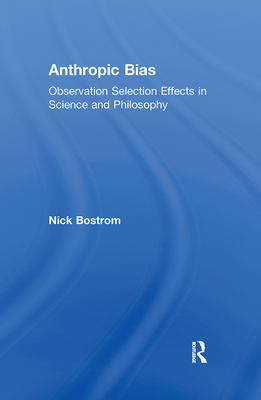
Anthropic Bias : Observation Selection Effects in Science and Philosophy
Book Details
Delivery Location
Delivery fee: Select location
Anthropic Bias explores how to reason when you suspect that your evidence is biased by "observation selection effects"--that is, evidence that has been filtered by the precondition that there be some suitably positioned observer to "have" the evidence. This conundrum--sometimes alluded to as "the anthropic principle," "self-locating belief," or "indexical information"--turns out to be a surprisingly perplexing and intellectually stimulating challenge, one abounding with important implications for many areas in science and philosophy.
There are the philosophical thought experiments and paradoxes: the Doomsday Argument; Sleeping Beauty; the Presumptuous Philosopher; Adam & Eve; the Absent-Minded Driver; the Shooting Room.
And there are the applications in contemporary science: cosmology ("How many universes are there?", "Why does the universe appear fine-tuned for life?"); evolutionary theory ("How improbable was the evolution of intelligent life on our planet?"); the problem of time''s arrow ("Can it be given a thermodynamic explanation?"); quantum physics ("How can the many-worlds theory be tested?"); game-theory problems with imperfect recall ("How to model them?"); even traffic analysis ("Why is the ''next lane'' faster?").
Anthropic Bias argues that the same principles are at work across all these domains. And it offers a synthesis: a mathematically explicit theory of observation selection effects that attempts to meet scientific needs while steering clear of philosophical paradox.
Get Anthropic Bias by Nick Bostrom at the best price and quality guaranteed only at Werezi Africa's largest book ecommerce store. The book was published by Taylor & Francis Ltd and it has 230 pages.
Customers Who Bought This Also Bought
Decolonizing Language and Other Revolutionary Ideas
KSh 2,350.00

How to Read a Book
KSh 2,000.00
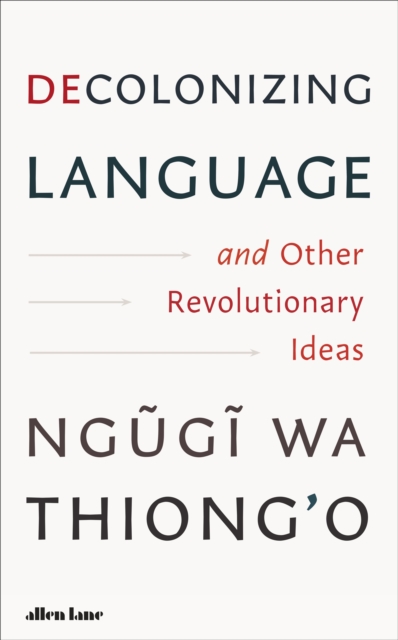
Decolonizing Language and Other Revolutionary Ideas
KSh 3,600.00

Creative Act
KSh 3,250.00
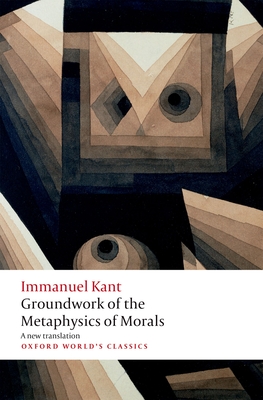
Groundwork for the Metaphysics of Morals
KSh 2,000.00

Things in Nature Merely
KSh 2,000.00
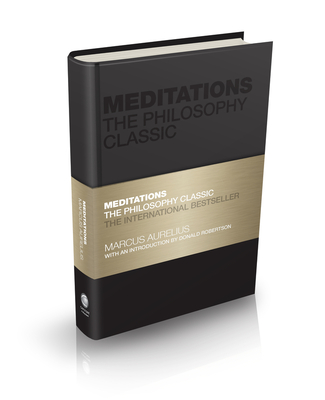
Meditations – The Philosophy Classic
KSh 2,150.00

Great Ideas Social Contract
KSh 1,450.00
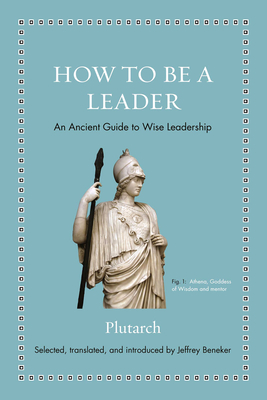
How to Be a Leader – An Ancient Guide to Wise Leadership
KSh 2,800.00
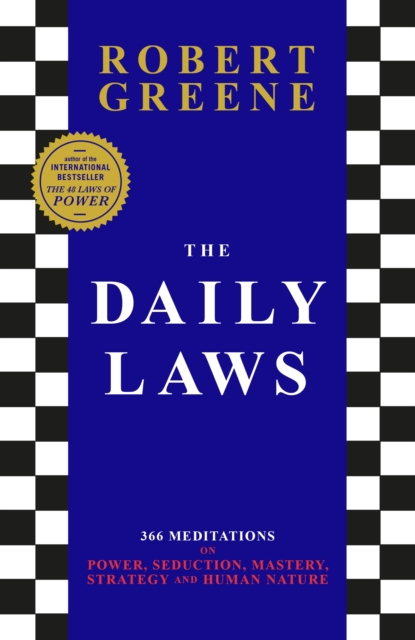
The Daily Laws
KSh 2,350.00

Three Critiques, 3-volume Set
KSh 14,000.00

Philosophical Dictionary
KSh 2,700.00