
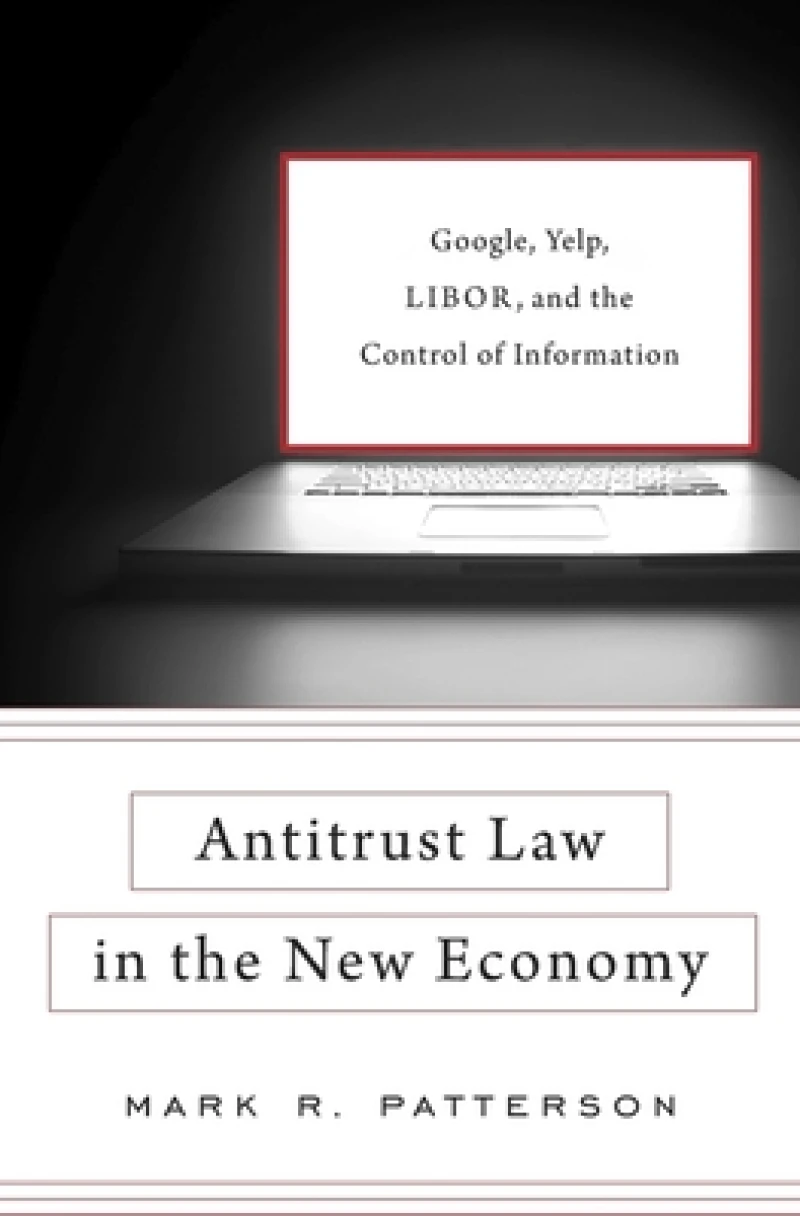
Antitrust Law in the New Economy – Google, Yelp, LIBOR, and the Control of Information : Google, Yelp, LIBOR, and the Control of Information
Book Details
Format
Hardback or Cased Book
ISBN-10
0674971426
ISBN-13
9780674971424
Publisher
Harvard University Press
Imprint
Harvard University Press
Country of Manufacture
US
Country of Publication
GB
Publication Date
Feb 1st, 2017
Print length
336 Pages
Weight
632 grams
Dimensions
23.90 x 16.40 x 2.80 cms
Ksh 8,800.00
Temporarily out of stock, due soon
0 in stock
Delivery Location
Delivery fee: Select location
Secure
Quality
Fast
In the information economy, sellers can distort the truth about their products, and online intermediaries have incentives to skew the facts they provide to buyers. Mark Patterson discusses ways data can be manipulated for competitive advantage and consumer exploitation, and shows how courts can apply antitrust law to address these problems.
Markets run on information. Buyers make decisions by relying on their knowledge of the products available, and sellers decide what to produce based on their understanding of what buyers want. But the distribution of market information has changed, as consumers increasingly turn to sources that act as intermediaries for information—companies like Yelp and Google. Antitrust Law in the New Economy considers a wide range of problems that arise around one aspect of information in the marketplace: its quality. Sellers now have the ability and motivation to distort the truth about their products when they make data available to intermediaries. And intermediaries, in turn, have their own incentives to skew the facts they provide to buyers, both to benefit advertisers and to gain advantages over their competition. Consumer protection law is poorly suited for these problems in the information economy. Antitrust law, designed to regulate powerful firms and prevent collusion among producers, is a better choice. But the current application of antitrust law pays little attention to information quality. Mark Patterson discusses a range of ways in which data can be manipulated for competitive advantage and exploitation of consumers (as happened in the LIBOR scandal), and he considers novel issues like “confusopoly” and sellers’ use of consumers’ personal information in direct selling. Antitrust law can and should be adapted for the information economy, Patterson argues, and he shows how courts can apply antitrust to address today’s problems.
Get Antitrust Law in the New Economy – Google, Yelp, LIBOR, and the Control of Information by at the best price and quality guaranteed only at Werezi Africa's largest book ecommerce store. The book was published by Harvard University Press and it has pages.

