
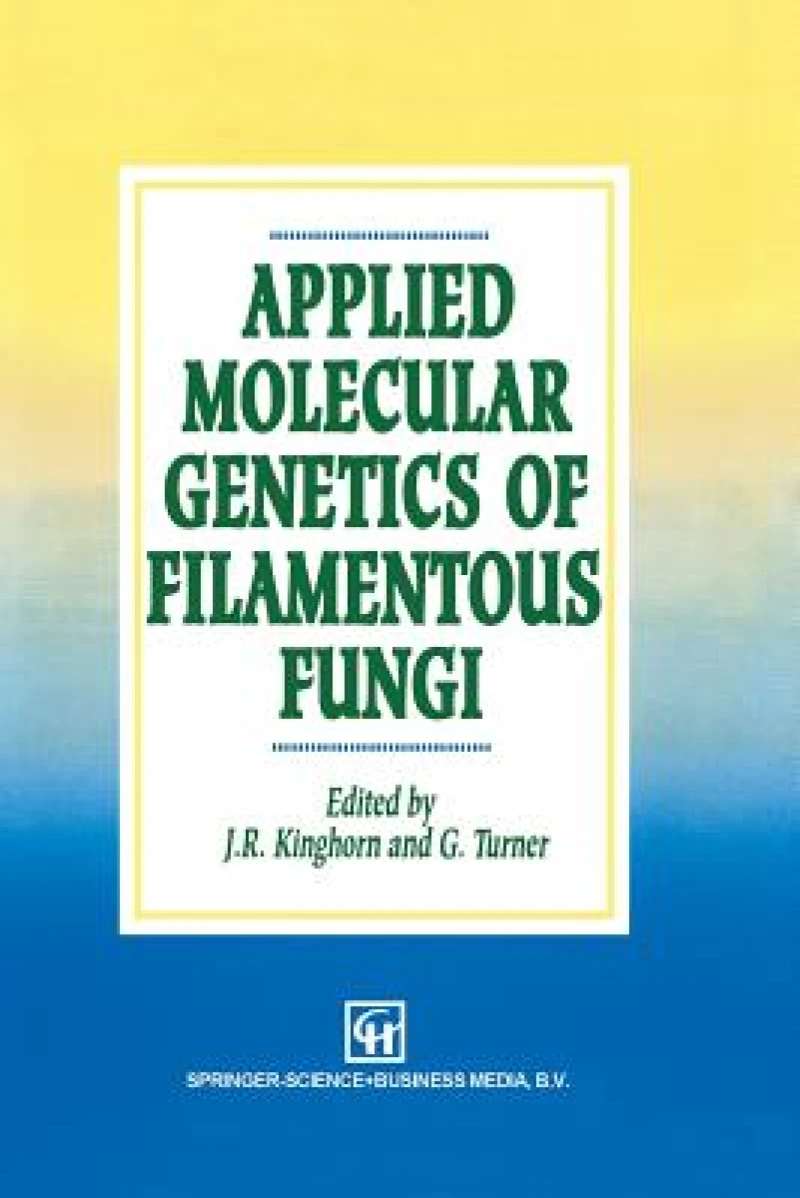
Applied Molecular Genetics of Filamentous Fungi
Softcover reprint of the original 1st ed. 1992
Book Details
Format
Paperback / Softback
ISBN-10
9401053014
ISBN-13
9789401053013
Edition
Softcover reprint of the original 1st ed. 1992
Publisher
Springer
Imprint
Springer
Country of Manufacture
NL
Country of Publication
GB
Publication Date
Oct 4th, 2012
Print length
259 Pages
Product Classification:
Medical geneticsZoology & animal sciencesZoology and animal sciences
Ksh 32,400.00
Werezi Extended Catalogue
0 in stock
Delivery Location
Delivery fee: Select location
Secure
Quality
Fast
The filamentous fungi are perhaps unique in the diversity of their metabolic activities. An account of lignocellulose degradation by filamentous fungi follows, illustrating the potential of fungi to utilize this substance as a renewable energy source.
The filamentous fungi are perhaps unique in the diversity of their metabolic activities. This includes biosynthetic as well as degradative activities, many is to provide an of which are of industrial interest. The objective of this text up-to-date and broad review which emphasizes the genetic and molecular biological contribution in the field of fungal biotechnology. This text begins with an overview of the tools and methodologies involved which, to a large extent, have been developed in the model filamentous fungus Aspergillus nidulans and subsequently have been extended to commercially important fungi. This is followed by a chapter which provides a compilation of genes isolated from commercial fungi and their present status with respect to structure, function and regulation. Chapters 3 and 4 highlight the degradative powers of filamentous fungi. First, a discussion of what is known regarding the molecular genetics of fungi and the genes and enzymes involved in the beverage and food industries. This has an oriental flavour, reflecting the tremendous importance of fungi in traditional Chinese and Japanese food production. An account of lignocellulose degradation by filamentous fungi follows, illustrating the potential of fungi to utilize this substance as a renewable energy source. The ability of fungi to produce high-value foreign proteins is reviewed in chapters 5 and 6. Chymosin production, in particular, represents a good example of high-level yields being obtained, such as to warrant commercial production.
Get Applied Molecular Genetics of Filamentous Fungi by at the best price and quality guaranteed only at Werezi Africa's largest book ecommerce store. The book was published by Springer and it has pages.

