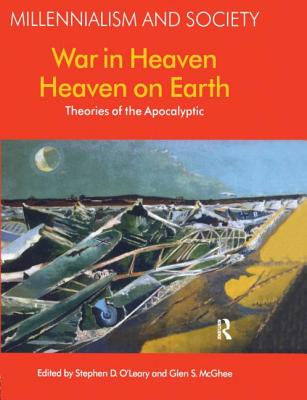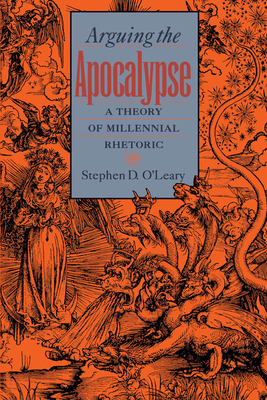
Arguing the Apocalypse : A Theory of Millennial Rhetoric
Book Details
Format
Paperback / softback
ISBN-10
0195121252
ISBN-13
9780195121254
Publisher
Oxford University Press Inc
Imprint
Oxford University Press Inc
Country of Manufacture
GB
Country of Publication
GB
Publication Date
Oct 1st, 1998
Print length
336 Pages
Weight
494 grams
Dimensions
22.80 x 15.50 x 2.00 cms
KSh 16,000.00
Temporarily out of stock, due soon
0 in stock
Delivery Location
Delivery fee: Select location
Secure
Quality
Fast
Apocalyptic expectations of Armageddon and a New Age have been a fixture of the American cultural landscape for centuries. With the approach of the year 2000, such millennial visions seem once again to be increasing in popularity. Stephen O'Leary sheds new light on the age-old phenomenon of the End of the Age by proposing a rhetorical explanation for the appeal of millennialism.
Apocalyptic expectations of Armageddon and a New Age have been a fixture of the American cultural landscape for centuries. With the approach of the year 2000, such millennial visions seem once again to be increasing in popularity. Stephen O''Leary sheds new light on the age-old phenomenon of the End of the Age by proposing a rhetorical explanation for the appeal of millennialism. Using examples of apocalyptic argument from ancient to modern times, O''Leary identifies the recurring patterns in apocalyptic texts and movements and shows how and why the Christian Apocalypse has been used to support a variety of political stances and programs. The book concludes with a critical review of the recent appearances of doomsday scenarios in our politics and culture, and a meditation on the significance of the Apocalypse in the nuclear age. Arguing the Apocalypse is the most thorough examination of its subject to date: a study of a neglected chapter of our religious and cultural history, a guide to the politics of Armageddon, and a map of millennial consciousness.
Get Arguing the Apocalypse by Stephen D. O'Leary at the best price and quality guaranteed only at Werezi Africa's largest book ecommerce store. The book was published by Oxford University Press Inc and it has 336 pages.
Customers Who Bought This Also Bought

On Great Writing (On the Sublime)
KSh 2,000.00

Look Again: Empire
KSh 1,800.00
The Art of Rhetoric
KSh 2,000.00
The Role of the Reader
KSh 3,400.00

Six Walks in the Fictional Woods
KSh 4,850.00
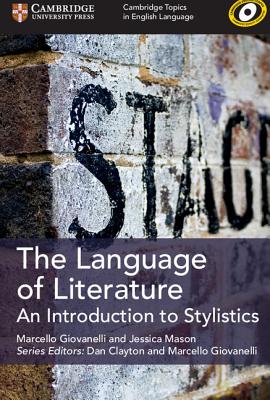
The Language of Literature
KSh 3,450.00
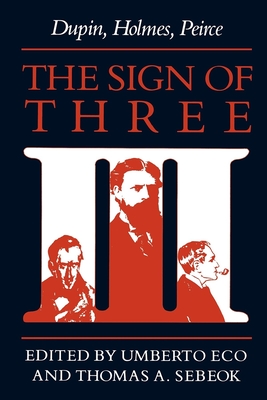
The Sign of Three
KSh 3,250.00
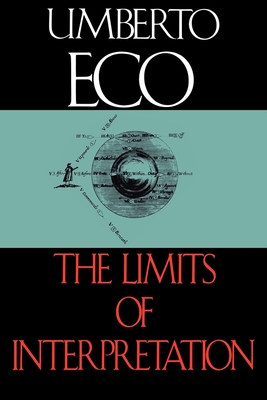
The Limits of Interpretation
KSh 12,200.00

Die philippischen Reden
KSh 22,250.00
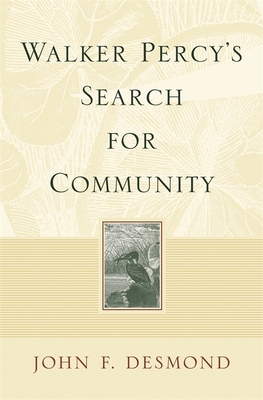
Walker Percy''s Search for Community
KSh 5,950.00
Voice of Deliverance
KSh 6,450.00

Community and Critique
KSh 10,800.00