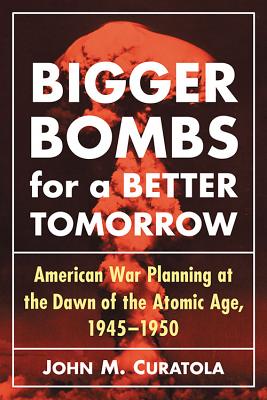
Armies Afloat : How the Development of Amphibious Operations in Europe Helped Win World War II
Book Details
Format
Hardback
Book Series
Modern War Studies
ISBN-10
070063861X
ISBN-13
9780700638611
Publisher
University Press of Kansas
Imprint
University Press of Kansas
Country of Manufacture
GB
Country of Publication
GB
Publication Date
May 31st, 2025
Print length
376 Pages
Weight
728 grams
Dimensions
23.70 x 16.40 x 3.30 cms
Product Classification:
Second World War
KSh 7,050.00
Currently unavailable
0 in stock
Delivery Location
Delivery fee: Select location
Secure
Quality
Fast
How the US services prepared for the largest amphibious operation in history,American forces storming the beaches of Normandy on D-Day, June 6, 1944, is one of the most famous moments in US military history. But behind this iconic assault is the long-overlooked history of learning and innovation. Significantly, the amphibious forces taken ashore that day were overwhelmingly army soldiers, with sailors and airmen in support. Before the army could launch such an endeavor, however, it had to learn how to conduct amphibious operations against a contested shore. Creating this capability required a concerted, deliberate effort. Involving an extensive joint endeavor of air, naval, and ground forces, amphibious assault strategy developed over the course of four years. In Armies Afloat, John Curatola leads readers through US Army’s amphibious development and capabilities by examining six components: command relationships, ship-to-shore movement, naval surface fire support, air support, beachhead establishment, and logistics and communication. The men, material, processes, and coordination involved in developing such a large-scale amphibious capability was something truly new in warfare. Through a constant process of assessment and review, US forces adjusted methodologies at all levels of war and successfully outpaced—and ultimately defeated—the European Axis powers.
Get Armies Afloat by John M. Curatola at the best price and quality guaranteed only at Werezi Africa's largest book ecommerce store. The book was published by University Press of Kansas and it has 376 pages.
Customers Who Bought This Also Bought

Churchill
KSh 3,700.00
Bomber Mafia
KSh 2,350.00
American Prometheus
KSh 2,700.00

Man''s Search For Meaning
KSh 1,600.00

India After Gandhi
KSh 4,850.00

Hiroshima
KSh 2,000.00

Holocaust
KSh 2,700.00

East West Street
KSh 2,350.00

Path of Light
KSh 2,350.00

Come to This Court and Cry
KSh 2,000.00

Hiroshima Men
KSh 4,500.00

Unbroken
KSh 2,350.00