
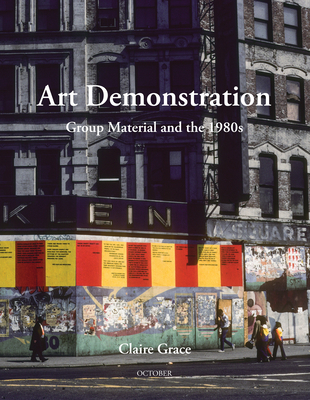
Art Demonstration : Group Material and the 1980s
by
Claire Grace
Book Details
Format
Paperback / softback
Book Series
October Books
ISBN-10
0262543524
ISBN-13
9780262543521
Publisher
MIT Press Ltd
Imprint
MIT Press
Country of Manufacture
GB
Country of Publication
GB
Publication Date
May 24th, 2022
Print length
352 Pages
Weight
1,000 grams
Dimensions
17.80 x 22.80 x 2.70 cms
Product Classification:
History of art & design styles: from c 1900 -
KSh 6,850.00
Werezi Extended Catalogue
Delivery in 4 days
2 copies in stock
Delivery Location
Delivery fee: Select location
Delivery in 4 days
Secure
Quality
Fast
A study of Group Material, the influential but underexamined New Yorkbased artist collective, investigating a series of key works.
Key predecessor of contemporary arts most radical activist gestures, the 1980s collective Group Material seized upon the temporary exhibition as a prime mode of intervention. Projects sited on walls, subways, and billboards targeted some of the most sensitive political conflicts of the era, from U.S. military interventions in Latin America to the AIDS crisis. In Art Demonstration, Claire Grace examines Group Materials New Yorkbased collaboration across a decade that saw a wave of renewed interest in art as a domain of political mobilization. As Grace argues here, Group Materials art was never just a means to an end; looking itself held urgency.
Grace distinguishes between two types of Group Material projects: room-scale interiors featuring distinctive wall treatments, soundtracks, and boundary-crossing arrangements of objects, and works in spaces usually reserved for advertising. Grace analyzes the groups practice in both categories, examining such well-known projects as AIDS Timeline (1989) and Democracy (19881989) and lesser-known works including Subculture (1983) and The Castle (1987). Grace shows that the politics running through Group Materials practice ultimately resides in the artists particular recourse to the exhibition form. With that bearing, Group Materials work insisted on the material in the face of postmodern theorys privileging of the discursive, and redistributed authorship within protean and pivotally diverse collective structures, testing in so doing the ever fragile contours of democratic participation as art became a commodity for speculative investment.
Key predecessor of contemporary arts most radical activist gestures, the 1980s collective Group Material seized upon the temporary exhibition as a prime mode of intervention. Projects sited on walls, subways, and billboards targeted some of the most sensitive political conflicts of the era, from U.S. military interventions in Latin America to the AIDS crisis. In Art Demonstration, Claire Grace examines Group Materials New Yorkbased collaboration across a decade that saw a wave of renewed interest in art as a domain of political mobilization. As Grace argues here, Group Materials art was never just a means to an end; looking itself held urgency.
Grace distinguishes between two types of Group Material projects: room-scale interiors featuring distinctive wall treatments, soundtracks, and boundary-crossing arrangements of objects, and works in spaces usually reserved for advertising. Grace analyzes the groups practice in both categories, examining such well-known projects as AIDS Timeline (1989) and Democracy (19881989) and lesser-known works including Subculture (1983) and The Castle (1987). Grace shows that the politics running through Group Materials practice ultimately resides in the artists particular recourse to the exhibition form. With that bearing, Group Materials work insisted on the material in the face of postmodern theorys privileging of the discursive, and redistributed authorship within protean and pivotally diverse collective structures, testing in so doing the ever fragile contours of democratic participation as art became a commodity for speculative investment.
Get Art Demonstration by Claire Grace at the best price and quality guaranteed only at Werezi Africa's largest book ecommerce store. The book was published by MIT Press Ltd and it has 352 pages.
Customers Who Bought This Also Bought

Bring No Clothes
KSh 2,350.00

Art and knowledge after 1900
KSh 6,000.00

Art and knowledge after 1900
KSh 15,300.00

What Is It That Will Last?
KSh 8,500.00
Slow Art – The Experience of Looking, Sacred Images to James Turrell
KSh 4,750.00

Diary of Frida Kahlo
KSh 4,550.00

So Much Longing in So Little Space
KSh 3,050.00
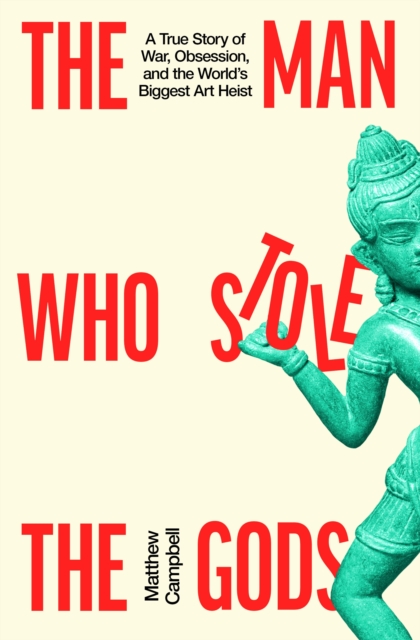
The Man Who Stole the Gods
KSh 3,600.00

Artists and Their Cats
KSh 2,350.00
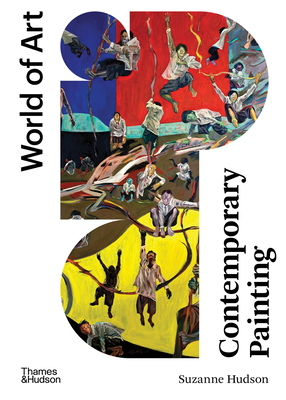
Contemporary Painting
KSh 3,600.00
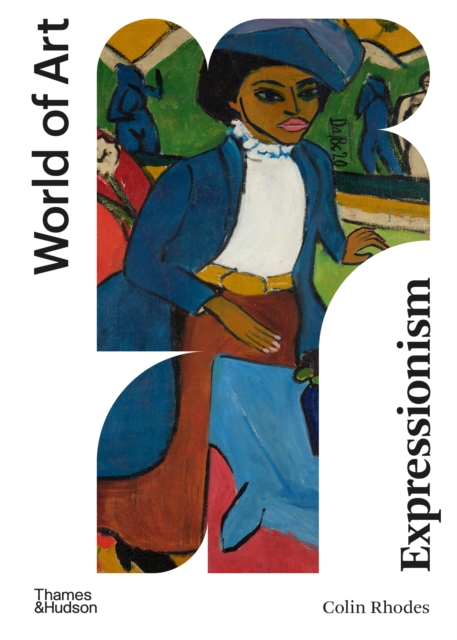
Expressionism
KSh 3,400.00
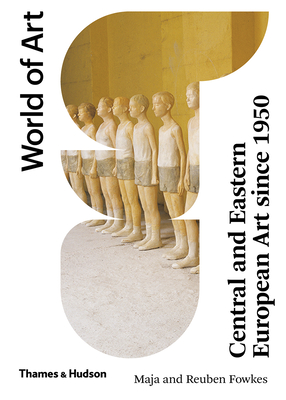
Central and Eastern European Art Since 1950
KSh 3,050.00


