
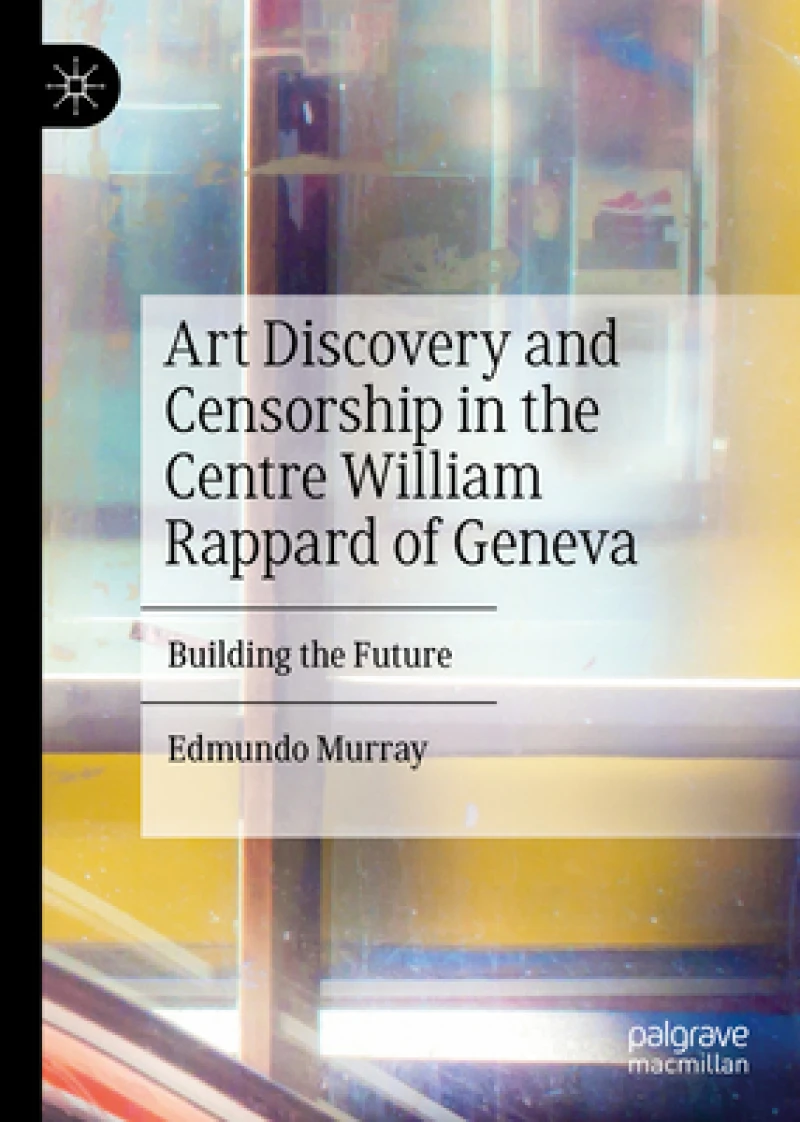
Art Discovery and Censorship in the Centre William Rappard of Geneva : Building the Future
2023 ed.
Book Details
Format
Hardback or Cased Book
ISBN-10
3031271599
ISBN-13
9783031271595
Edition
2023 ed.
Publisher
Springer International Publishing AG
Imprint
Palgrave Macmillan
Country of Manufacture
GB
Country of Publication
GB
Publication Date
Jun 16th, 2023
Print length
209 Pages
Weight
414 grams
Dimensions
15.60 x 22.00 x 1.90 cms
Ksh 19,800.00
Temporarily out of stock, due soon
0 in stock
Delivery Location
Delivery fee: Select location
Secure
Quality
Fast
This is a history of the Centre William Rappard, the first building designed to house an international organization in Geneva, and its art treasures.
This is a history of the Centre William Rappard, the first building designed to house an international organization in Geneva, and its art treasures. For nearly a century, these works of art and decorations offered by governments and institutions encouraged smooth diplomacy and fluent international negotiations in the fields of labour, trade and human rights. On occasions hidden, removed and forgotten, and then recovered and restored, the history of the artworks in the Centre William Rappard represents the confrontation between art as diplomatic device and aesthetic experience, between representation and represented, between censorship and free expression. Even before its opening in 1926, the building started receiving works from the International Labour Organization member governments. Some pieces, such as the Geneva Window by Harry Clarke, never arrived in Geneva since it was censored by the Irish government. The Spanish Pygmalion by Eduardo Chicharro y Agüera was latter covered for its female nudity and remained hidden during decades. Later in the 1970s the secretariat of the General Agreement on Tariffs and Trade occupied the building and requested the removal of other major works. This was reversed in the 2010s by its successor the World Trade Organization, when many artworks were rediscovered, restored and placed in their original locations. However, new values in the world scene contributed to further changes in the building art, including the removal of Claude Namy’s caricature In GATT We Trust from public view in 2019. Art in the Centre William Rappard continues to speak to the viewer after waves of positive reception, censorship and recovery.
Get Art Discovery and Censorship in the Centre William Rappard of Geneva by at the best price and quality guaranteed only at Werezi Africa's largest book ecommerce store. The book was published by Springer International Publishing AG and it has pages.

