
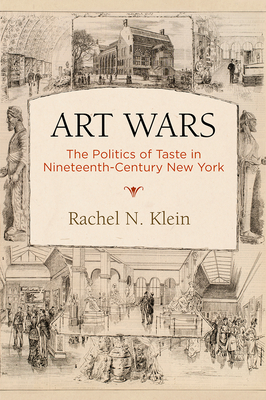
Art Wars : The Politics of Taste in Nineteenth-Century New York
Book Details
Format
Hardback
Book Series
America in the Nineteenth Century
ISBN-10
0812251946
ISBN-13
9780812251944
Publisher
University of Pennsylvania Press
Imprint
University of Pennsylvania Press
Country of Manufacture
US
Country of Publication
GB
Publication Date
Jul 17th, 2020
Print length
312 Pages
KSh 8,650.00
Currently unavailable
0 in stock
Delivery Location
Delivery fee: Select location
Secure
Quality
Fast
A study of three controversies that illuminate the changing cultural role of art exhibition in the nineteenth century From the antebellum era through the Gilded Age, New York City's leading art institutions were lightning rods for conflict. In the decades before the Civil War, art promoters believed that aesthetic taste could foster national unity and assuage urban conflicts; by the 1880s such hopes had faded, and the taste for art assumed more personal connotations associated with consumption and domestic decoration. Art Wars chronicles three protracted public battles that marked this transformation. The first battle began in 1849 and resulted in the downfall of the American Art-Union, the most popular and influential art institution in North America at mid-century. The second erupted in 1880 over the Metropolitan Museum's massive collection of Cypriot antiquities, which had been plundered and sold to its trustees by the man who became the museum's first paid director. The third escalated in the mid-1880s and forced the Metropolitan Museum to open its doors on Sunday-the only day when working people were able to attend. In chronicling these disputes, Rachel N. Klein considers cultural fissures that ran much deeper than the specific complaints that landed protagonists in court. New York's major nineteenth-century art institutions came under intense scrutiny not only because Americans invested them with moral and civic consequences but also because they were part and parcel of explosive processes associated with the rise of industrial capitalism. Elite New Yorkers spearheaded the creation of the Art-Union and the Metropolitan, but those institutions became enmeshed in popular struggles related to slavery, immigration, race, industrial production, and the rights of working people. Art Wars examines popular engagement with New York's art institutions and illuminates the changing cultural role of art exhibition over the course of the nineteenth century.
Get Art Wars by Rachel N. Klein at the best price and quality guaranteed only at Werezi Africa's largest book ecommerce store. The book was published by University of Pennsylvania Press and it has 312 pages.
Customers Who Bought This Also Bought
Van Gogh
KSh 10,750.00

So Much Longing in So Little Space
KSh 3,050.00

The Art of Ukraine
KSh 3,400.00
William Blake
KSh 2,700.00
Monet
KSh 2,850.00

Hogarth, Vol 1
KSh 15,650.00

Working with the Negative
KSh 16,200.00

Monet
KSh 2,850.00
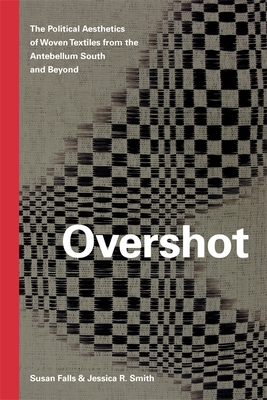
Overshot
KSh 22,600.00

Hogarth, Vol 2
KSh 11,400.00
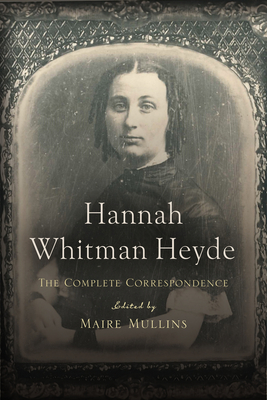
Hannah Whitman Heyde – The Complete Correspondence
KSh 22,300.00

Hogarth, Vol 3
KSh 11,650.00
