
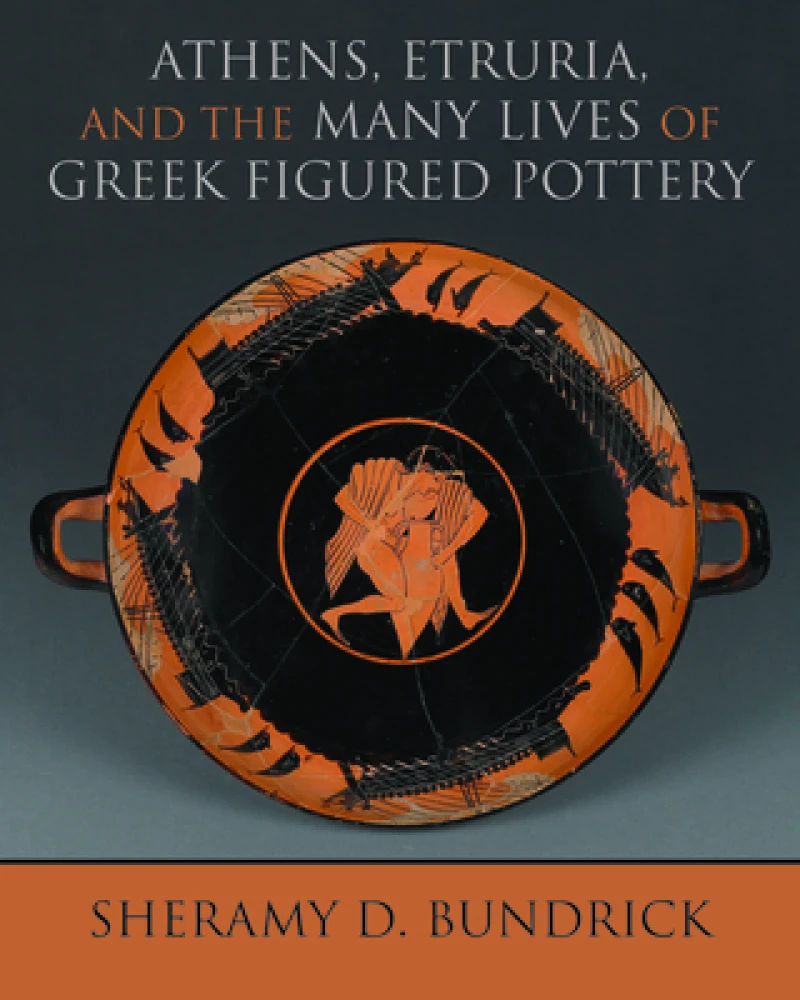
Athens, Etruria, and the Many Lives of Greek Figured Pottery
Book Details
Format
Paperback / Softback
Book Series
Wisconsin Studies in Classics
ISBN-10
0299321045
ISBN-13
9780299321048
Publisher
University of Wisconsin Press
Imprint
University of Wisconsin Press
Country of Manufacture
GB
Country of Publication
GB
Publication Date
Apr 28th, 2022
Print length
352 Pages
Weight
954 grams
Dimensions
20.30 x 25.30 x 2.10 cms
Ksh 5,550.00
Temporarily out of stock, due soon
0 in stock
Delivery Location
Delivery fee: Select location
Secure
Quality
Fast
The trade in Athenian pottery flourished from the early sixth until the late fifth century BCE, finding an eager market in Etruria. Most studies of these painted vases focus on the artistry and worldview of the Greeks who made them, but Sheramy Bundrick shifts attention to their Etruscan customers, trade networks, and archaeological contexts.
A lucrative trade in Athenian pottery flourished from the early sixth until the late fifth century B.C.E., finding an eager market in Etruria. Most studies of these painted vases focus on the artistry and worldview of the Greeks who made them, but Sheramy D. Bundrick shifts attention to their Etruscan customers, ancient trade networks, and archaeological contexts.
Thousands of Greek painted vases have emerged from excavations of tombs, sanctuaries, and settlements throughout Etruria, from southern coastal centers to northern communities in the Po Valley. Using documented archaeological assemblages, especially from tombs in southern Etruria, Bundrick challenges the widely held assumption that Etruscans were hellenized through Greek imports. She marshals evidence to show that Etruscan consumers purposefully selected figured pottery that harmonized with their own local needs and customs, so much so that the vases are better described as etruscanized. Athenian ceramic workers, she contends, learned from traders which shapes and imagery sold best to the Etruscans and employed a variety of strategies to maximize artistry, output, and profit.
Thousands of Greek painted vases have emerged from excavations of tombs, sanctuaries, and settlements throughout Etruria, from southern coastal centers to northern communities in the Po Valley. Using documented archaeological assemblages, especially from tombs in southern Etruria, Bundrick challenges the widely held assumption that Etruscans were hellenized through Greek imports. She marshals evidence to show that Etruscan consumers purposefully selected figured pottery that harmonized with their own local needs and customs, so much so that the vases are better described as etruscanized. Athenian ceramic workers, she contends, learned from traders which shapes and imagery sold best to the Etruscans and employed a variety of strategies to maximize artistry, output, and profit.
Get Athens, Etruria, and the Many Lives of Greek Figured Pottery by at the best price and quality guaranteed only at Werezi Africa's largest book ecommerce store. The book was published by University of Wisconsin Press and it has pages.

