Austria 1867-1955
Book Details
Format
Hardback
Book Series
Oxford History of Modern Europe
ISBN-10
0198221290
ISBN-13
9780198221296
Publisher
Oxford University Press
Imprint
Oxford University Press
Country of Manufacture
GB
Country of Publication
GB
Publication Date
Oct 13th, 2022
Print length
1152 Pages
Weight
1,434 grams
Dimensions
16.30 x 24.10 x 6.10 cms
KSh 9,400.00
Werezi Extended Catalogue
Delivery in 12 days
5 copies in stock
Delivery Location
Delivery fee: Select location
Delivery in 12 days
Secure
Quality
Fast
Austria 1867-1955 connects the political history of German-speaking provinces of the Habsburg Empire before 1914 (Vienna and the Alpine Lands) with the history of the Austrian Republic that emerged in 1918, presenting the case of modern Austria as a fascinating example of democratic nation-building.
Austria 1867-1955 connects the political history of German-speaking provinces of the Habsburg Empire before 1914 (Vienna and the Alpine Lands) with the history of the Austrian Republic that emerged in 1918. John W. Boyer presents the case of modern Austria as a fascinating example of democratic nation-building. The construction of an Austrian political nation began in 1867 under Habsburg Imperial auspices, with the German-speaking bourgeois Liberals defining the concept of a political people (Volk) and giving that Volk a constitution and a liberal legal and parliamentary order to protect their rights against the Crown. The decades that followed saw the administrative and judicial institutions of the Liberal state solidified, but in the 1880s and 1890s the membership of the Volk exploded to include new social and economic strata from the lower bourgeoisie and the working classes. Ethnic identity was not the final structuring principle of everyday politics, as it was in the Czech lands. Rather social class, occupational culture, and religion became more prominent variables in the sortition of civic interests, exemplified by the emergence of two great ideological parties, Christian Socialism and Social Democracy in Vienna in the 1890s. The war crisis of 1914/1918 exploded the Empire, with the Crown self-destructing in the face of military defeat, chronic domestic unrest, and bitter national partisanship. But this crisis also accelerated the emergence of new structures of democratic self-governance in the German-speaking Austrian lands, enshrined in the republican Constitution of 1920. Initial attempts to make this new project of democratic nation-building work failed in the 1920s and 1930s, culminating in the catastrophe of the 1938 Nazi occupation. After 1945 the surviving legatees of the Revolution of 1918 reassembled under the four-power Allied occupation, which fashioned a shared political culture which proved sufficiently flexible to accommodate intense partisanship, resulting, by the 1970s, in a successful republican system, organized under the aegis of elite democratic and corporatist negotiating structures, in which the Catholics and Socialists learned to embrace the skills of collective but shared self-governance.
Get Austria 1867-1955 by John W. Boyer at the best price and quality guaranteed only at Werezi Africa's largest book ecommerce store. The book was published by Oxford University Press and it has 1152 pages.
Customers Who Bought This Also Bought

Age of Revolutions
KSh 2,350.00
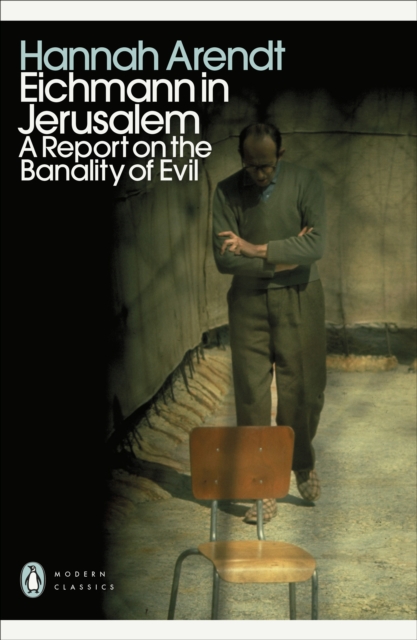
Eichmann in Jerusalem
KSh 2,350.00

Trouble With Being Born
KSh 2,000.00

Hiroshima
KSh 2,000.00

Freedom
KSh 6,300.00

Holocaust
KSh 2,700.00
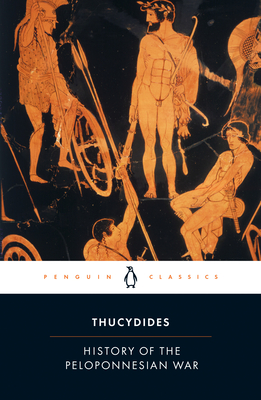
The History of the Peloponnesian War
KSh 2,700.00
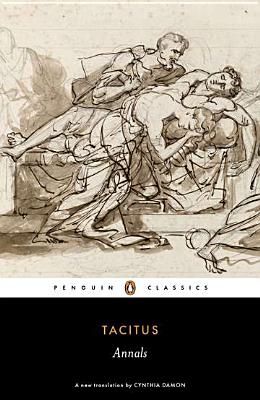
Annals
KSh 2,350.00
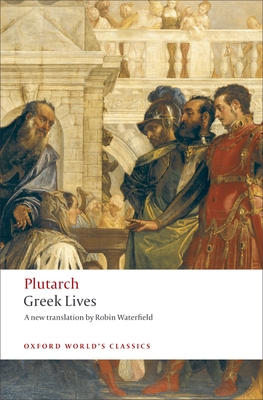
Greek Lives
KSh 2,150.00
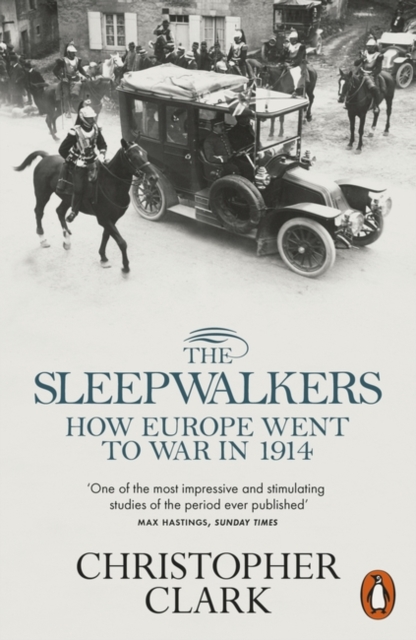
Sleepwalkers
KSh 3,400.00

Napoleon The Great
KSh 3,600.00
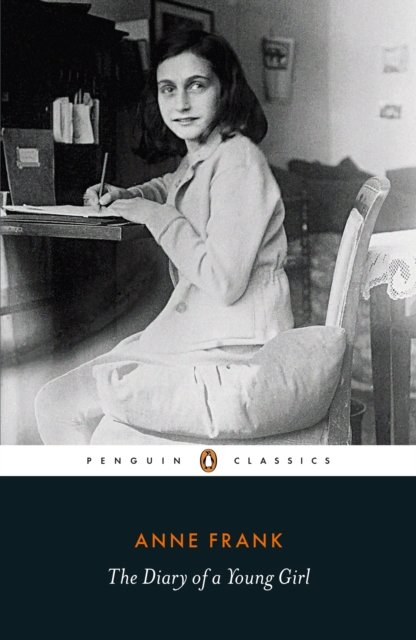
Diary of a Young Girl
KSh 1,800.00