
Book Details
Format
Paperback / Softback
ISBN-10
3039118382
ISBN-13
9783039118380
Edition
New
Publisher
Verlag Peter Lang
Imprint
Verlag Peter Lang
Country of Manufacture
CH
Country of Publication
GB
Publication Date
Apr 24th, 2009
Print length
290 Pages
Weight
412 grams
Dimensions
15.20 x 22.50 x 1.70 cms
Product Classification:
PhilosophyReligious ethicsReligion & politicsEcological science, the Biosphere
Ksh 10,200.00
Manufactured on Demand
0 in stock
Delivery Location
Delivery fee: Select location
Secure
Quality
Fast
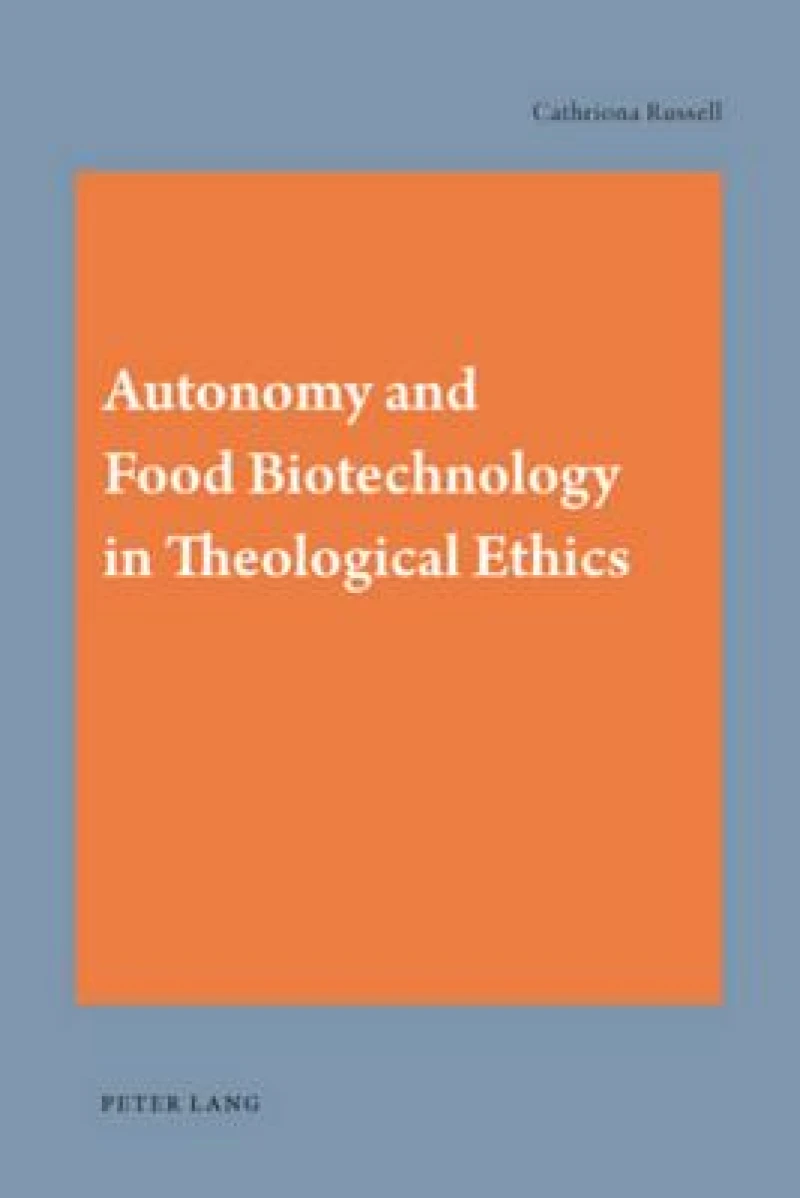
What does 'autonomy' mean from a Christian perspective? What could a Christian environmental ethics bring to the debate about genetically modified food? This book investigates conflicting claims in the public realm about food biotechnology. It critically evaluates the contribution such technologies make to sustainable agricultural production and environmental stewardship. Challenging the received wisdom in popular environmental theology, the book defends the role of the human person as steward of creation and presents a human-centred Christian environmental ethics rooted in the Kantian tradition of moral philosophy. From this vantage point the author critiques the partiality of many contemporary environmental theologies, which argue for a return to the technological simplicity of an idealised past, or emphasise virtue while taking little account of the role that institutional issues play in framing and defining policy and good practice. In this context the author examines whether or not, under current conditions, transgenic food can contribute to sustainable agricultural production.
What does ‘autonomy’ mean from a Christian perspective? What could a Christian environmental ethics bring to the debate about genetically modified food?
This book investigates conflicting claims in the public realm about food biotechnology. It critically evaluates the contribution such technologies make to sustainable agricultural production and environmental stewardship. Challenging the received wisdom in popular environmental theology, the book defends the role of the human person as steward of creation and presents a human-centred Christian environmental ethics rooted in the Kantian tradition of moral philosophy. From this vantage point the author critiques the partiality of many contemporary environmental theologies, which argue for a return to the technological simplicity of an idealised past, or emphasise virtue while taking little account of the role that institutional issues play in framing and defining policy and good practice. In this context the author examines whether or not, under current conditions, transgenic food can contribute to sustainable agricultural production.
This book investigates conflicting claims in the public realm about food biotechnology. It critically evaluates the contribution such technologies make to sustainable agricultural production and environmental stewardship. Challenging the received wisdom in popular environmental theology, the book defends the role of the human person as steward of creation and presents a human-centred Christian environmental ethics rooted in the Kantian tradition of moral philosophy. From this vantage point the author critiques the partiality of many contemporary environmental theologies, which argue for a return to the technological simplicity of an idealised past, or emphasise virtue while taking little account of the role that institutional issues play in framing and defining policy and good practice. In this context the author examines whether or not, under current conditions, transgenic food can contribute to sustainable agricultural production.
Get Autonomy and Food Biotechnology in Theological Ethics by at the best price and quality guaranteed only at Werezi Africa's largest book ecommerce store. The book was published by Verlag Peter Lang and it has pages.

