

Awkward Intelligence
Book Details
Format
Hardback
ISBN-10
0262047462
ISBN-13
9780262047463
Publisher
MIT Press Ltd
Imprint
MIT Press
Country of Manufacture
GB
Country of Publication
GB
Publication Date
Oct 25th, 2022
Print length
272 Pages
Weight
552 grams
Dimensions
16.30 x 23.60 x 2.80 cms
Product Classification:
Artificial intelligence
KSh 4,850.00
Werezi Extended Catalogue
Delivery in 4 days
3 copies in stock
Delivery Location
Delivery fee: Select location
Delivery in 4 days
Secure
Quality
Fast
An expert offers a guide to where we should use artificial intelligence—and where we should not. Before we know it, artificial intelligence (AI) will work its way into every corner of our lives, making decisions about, with, and for us. Is this a good thing? There’s a tendency to think that machines can be more “objective” than humans—can make better decisions about job applicants, for example, or risk assessments. In Awkward Intelligence, AI expert Katharina Zweig offers readers the inside story, explaining how many levers computer and data scientists must pull for AI’s supposedly objective decision making. She presents the good and the bad: AI is good at processing vast quantities of data that humans cannot—but it’s bad at making judgments about people. AI is accurate at sifting through billions of websites to offer up the best results for our search queries and it has beaten reigning champions in games of chess and Go. But, drawing on her own research, Zweig shows how inaccurate AI is, for example, at predicting whether someone with a previous conviction will become a repeat offender. It’s no better than simple guesswork, and yet it’s used to determine people’s futures. Zweig introduces readers to the basics of AI and presents a toolkit for designing AI systems. She explains algorithms, big data, and computer intelligence, and how they relate to one another. Finally, she explores the ethics of AI and how we can shape the process. With Awkward Intelligence. Zweig equips us to confront the biggest question concerning AI: where we should use it—and where we should not.
An expert offers a guide to where we should use artificial intelligence—and where we should not.
Before we know it, artificial intelligence (AI) will work its way into every corner of our lives, making decisions about, with, and for us. Is this a good thing? There’s a tendency to think that machines can be more “objective” than humans—can make better decisions about job applicants, for example, or risk assessments. In Awkward Intelligence, AI expert Katharina Zweig offers readers the inside story, explaining how many levers computer and data scientists must pull for AI’s supposedly objective decision making. She presents the good and the bad: AI is good at processing vast quantities of data that humans cannot—but it’s bad at making judgments about people.
AI is accurate at sifting through billions of websites to offer up the best results for our search queries and it has beaten reigning champions in games of chess and Go. But, drawing on her own research, Zweig shows how inaccurate AI is, for example, at predicting whether someone with a previous conviction will become a repeat offender. It’s no better than simple guesswork, and yet it’s used to determine people’s futures.
Zweig introduces readers to the basics of AI and presents a toolkit for designing AI systems. She explains algorithms, big data, and computer intelligence, and how they relate to one another. Finally, she explores the ethics of AI and how we can shape the process. With Awkward Intelligence. Zweig equips us to confront the biggest question concerning AI: where we should use it—and where we should not.
Before we know it, artificial intelligence (AI) will work its way into every corner of our lives, making decisions about, with, and for us. Is this a good thing? There’s a tendency to think that machines can be more “objective” than humans—can make better decisions about job applicants, for example, or risk assessments. In Awkward Intelligence, AI expert Katharina Zweig offers readers the inside story, explaining how many levers computer and data scientists must pull for AI’s supposedly objective decision making. She presents the good and the bad: AI is good at processing vast quantities of data that humans cannot—but it’s bad at making judgments about people.
AI is accurate at sifting through billions of websites to offer up the best results for our search queries and it has beaten reigning champions in games of chess and Go. But, drawing on her own research, Zweig shows how inaccurate AI is, for example, at predicting whether someone with a previous conviction will become a repeat offender. It’s no better than simple guesswork, and yet it’s used to determine people’s futures.
Zweig introduces readers to the basics of AI and presents a toolkit for designing AI systems. She explains algorithms, big data, and computer intelligence, and how they relate to one another. Finally, she explores the ethics of AI and how we can shape the process. With Awkward Intelligence. Zweig equips us to confront the biggest question concerning AI: where we should use it—and where we should not.
Get Awkward Intelligence by Katharina A. Zweig, Noah Block-Harley at the best price and quality guaranteed only at Werezi Africa's largest book ecommerce store. The book was published by MIT Press Ltd and it has 272 pages.
Customers Who Bought This Also Bought

Magnifica Humanitas
KSh 1,500.00

Nexus
KSh 2,350.00
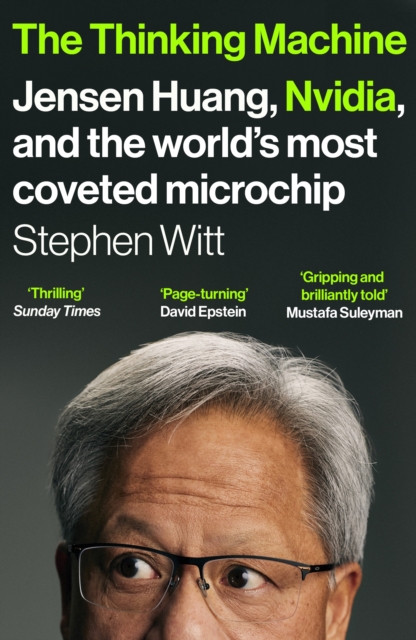
The Thinking Machine
KSh 2,350.00
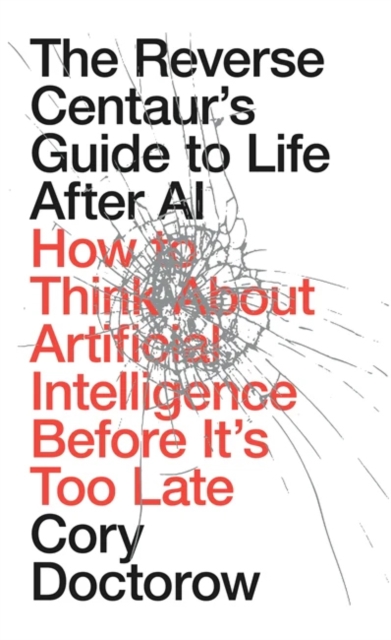
The Reverse Centaur's Guide to Life After AI
KSh 3,050.00

The MANIAC
KSh 2,000.00
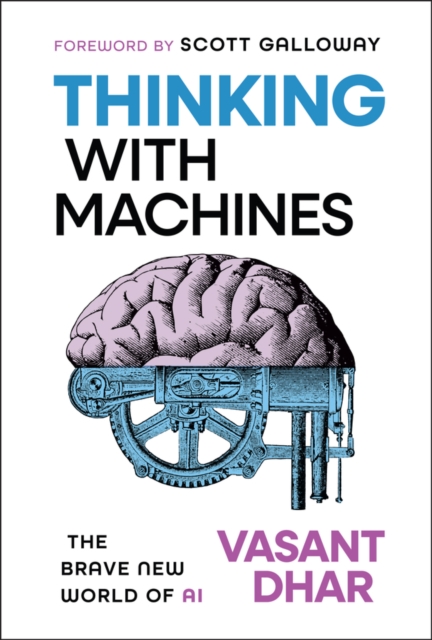
Thinking With Machines: The Brave New World of AI
KSh 4,300.00
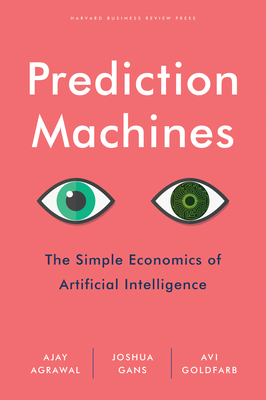
Prediction Machines
KSh 3,950.00
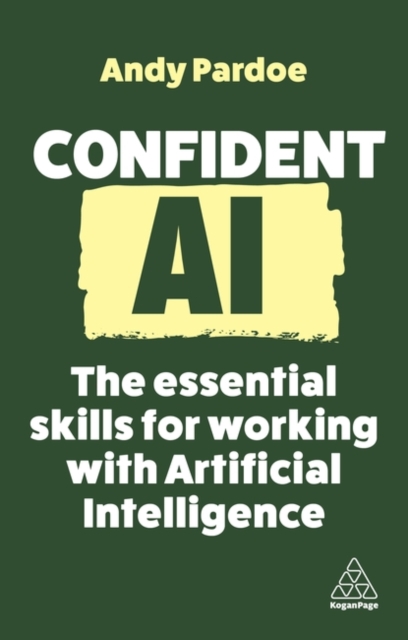
Confident AI
KSh 3,050.00
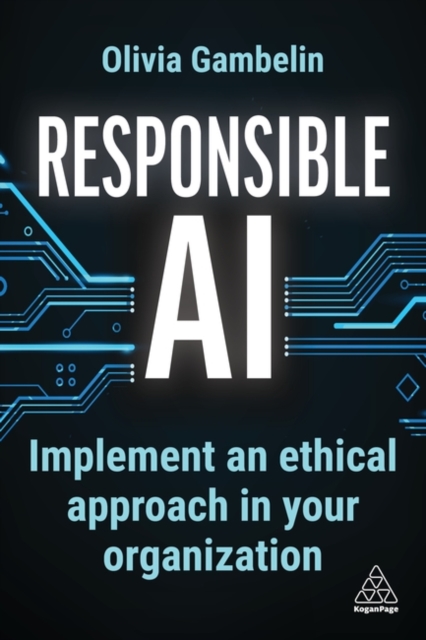
Responsible AI
KSh 6,400.00
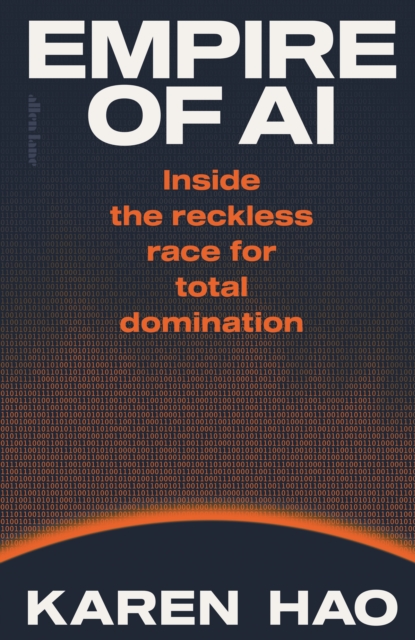
Empire of AI
KSh 4,500.00

The MANIAC
KSh 2,700.00

Data Management, Analytics and Innovation
KSh 32,400.00
