

Banned Emotions : How Metaphors Can Shape What People Feel
by
Laura Otis
Book Details
Format
Hardback
ISBN-10
019069890X
ISBN-13
9780190698904
Publisher
Oxford University Press Inc
Imprint
Oxford University Press Inc
Country of Manufacture
US
Country of Publication
GB
Publication Date
May 9th, 2019
Print length
200 Pages
Weight
408 grams
Dimensions
16.30 x 23.60 x 2.30 cms
Product Classification:
Films, cinemaLiterary studies: generalPsychology: emotions
KSh 11,400.00
Currently unavailable
0 in stock
Delivery Location
Delivery fee: Select location
Secure
Quality
Fast
Banned Emotions, written by neuroscientist-turned-literary scholar Laura Otis, draws on the latest research in neuroscience and psychology to challenge popular attempts to suppress certain emotions. Examining works by Dante, Dickens, Dostoevsky, Kafka, Forster, and Woolf in parallel with Bridesmaids, Fatal Attraction, and Who Moved My Cheese?, Otis traces pervasive patterns in the ways emotions are represented that can make people so ashamed of their feelings, they may stifle emotions they need to work through. She argues that emotion regulation is a political as well as a biological issue, affecting not only which emotions can be expressed, but who can express them, when, and how.
Who benefits and who loses when emotions are described in particular ways? How do metaphors such as "hold on" and "let go" affect people''s emotional experiences? Banned Emotions, written by neuroscientist-turned-literary scholar Laura Otis, draws on the latest research in neuroscience and psychology to challenge popular attempts to suppress certain emotions. This interdisciplinary book breaks taboos by exploring emotions in which people are said to "indulge": self-pity, prolonged crying, chronic anger, grudge-bearing, bitterness, and spite. By focusing on metaphors for these emotions in classic novels, self-help books, and popular films, Banned Emotions exposes their cultural and religious roots.Examining works by Dante, Dickens, Dostoevsky, Kafka, Forster, and Woolf in parallel with Bridesmaids, Fatal Attraction, and Who Moved My Cheese?, Banned Emotions traces pervasive patterns in the ways emotions are represented that can make people so ashamed of their feelings, they may stifle emotions they need to work through. The book argues that emotion regulation is a political as well as a biological issue, affecting not only which emotions can be expressed, but who can express them, when, and how.
Get Banned Emotions by Laura Otis at the best price and quality guaranteed only at Werezi Africa's largest book ecommerce store. The book was published by Oxford University Press Inc and it has 200 pages.
Customers Who Bought This Also Bought
Worthy
KSh 3,500.00
Angels And Demons
KSh 1,900.00

Thinking in Pictures
KSh 6,100.00
Reel to Real
KSh 4,500.00
Duke in His Domain
KSh 550.00

The Lord of the Rings Tarot and Guidebook
KSh 4,150.00
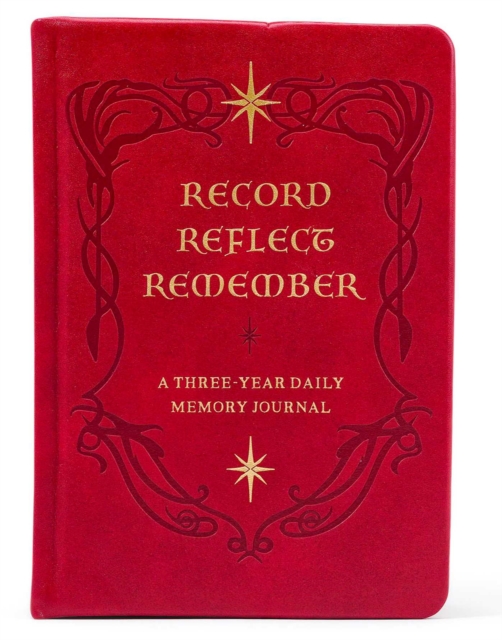
The Lord of the Rings Memory Journal
KSh 2,200.00

With Nails
KSh 2,000.00
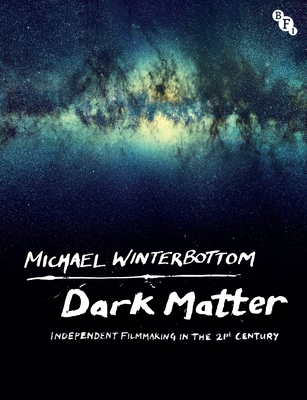
Dark Matter
KSh 3,600.00
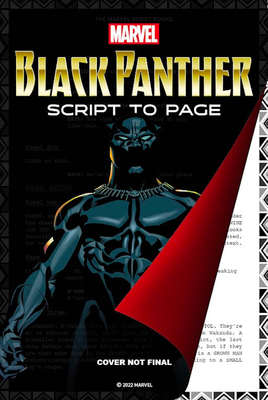
Marvel''s Black Panther - Script To Page
KSh 3,250.00
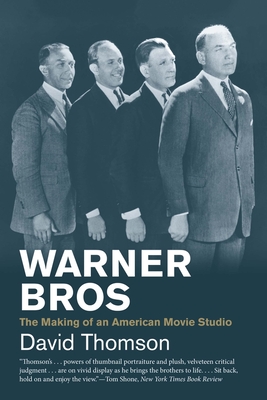
Warner Bros – The Making of an American Movie Studio
KSh 2,750.00

A Deadly Episode
KSh 3,950.00