
Baroque Self-Invention and Historical Truth : Hercules at the Crossroads
Book Details
Format
Paperback / Softback
Book Series
Studies in European Cultural Transition
ISBN-10
1138378844
ISBN-13
9781138378841
Publisher
Taylor & Francis Ltd
Imprint
Routledge
Country of Manufacture
GB
Country of Publication
GB
Publication Date
Jun 6th, 2019
Print length
216 Pages
Weight
350 grams
Dimensions
15.50 x 23.40 x 1.80 cms
Product Classification:
Literary studies: general
Ksh 9,900.00
Werezi Extended Catalogue
0 in stock
Delivery Location
Delivery fee: Select location
Secure
Quality
Fast
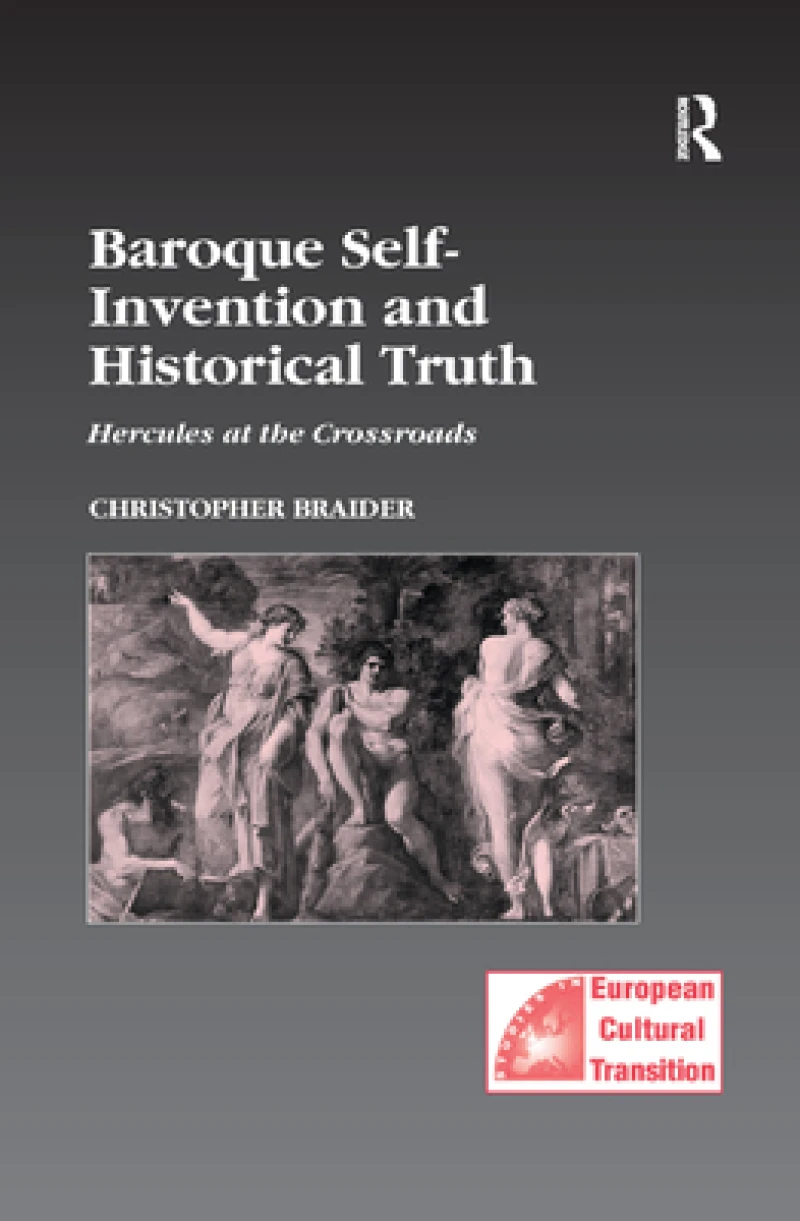
In his monumental study, Christopher Braider explores the dialectical contest between history and truth that defines the period of cultural transition called the ''baroque''. For example, Annibale Carracci''s portrayal of the Stoic legend of Hercules at the Crossroads departs from earlier, more static representations that depict an emblematic demigod who has already rejected the fallen path of worldly Pleasure for the upward road of heroic Virtue. Braider argues that, in breaking with tradition in order to portray a tragic soliloquist whose dominant trait is agonized indecision, Carracci joins other baroque artists, poets and philosophers in rehearsing the historical dilemma of choice itself. Carracci''s picture thus becomes a framing device that illuminates phenomena as diverse as the construction of gender in baroque painting and science, the Pauline ontology of art in Caravaggio and Rembrandt, the metaphysics of baroque soliloquy and the dismantling of Cartesian dualism in Cyrano de Bergerac and Pascal.
Get Baroque Self-Invention and Historical Truth by at the best price and quality guaranteed only at Werezi Africa's largest book ecommerce store. The book was published by Taylor & Francis Ltd and it has pages.

